Aging at home offers a mix of familiarity, comfort, and a sense of control that many seniors deeply value. A Pew Research Center survey shows that 60% of aging adults in the US want to stay at home and seek care rather than move out. Only 18% are willing to opt for assisted living, and 11% are ready to move in with a family member.
However, when you choose to age at home, maintaining independence while ensuring safety can become challenging over time. Physical limitations, health issues, and changes in memory or mobility may bring risks that you never considered. The best solution is to implement thoughtful systems and proactive planning to ensure that you do not compromise your independence.
With the right approach, growing older at home can be a fulfilling and secure experience. In this article, we will share a few practical tips to achieve the goals of independence and safety simultaneously.
Be Ready to Accept Support
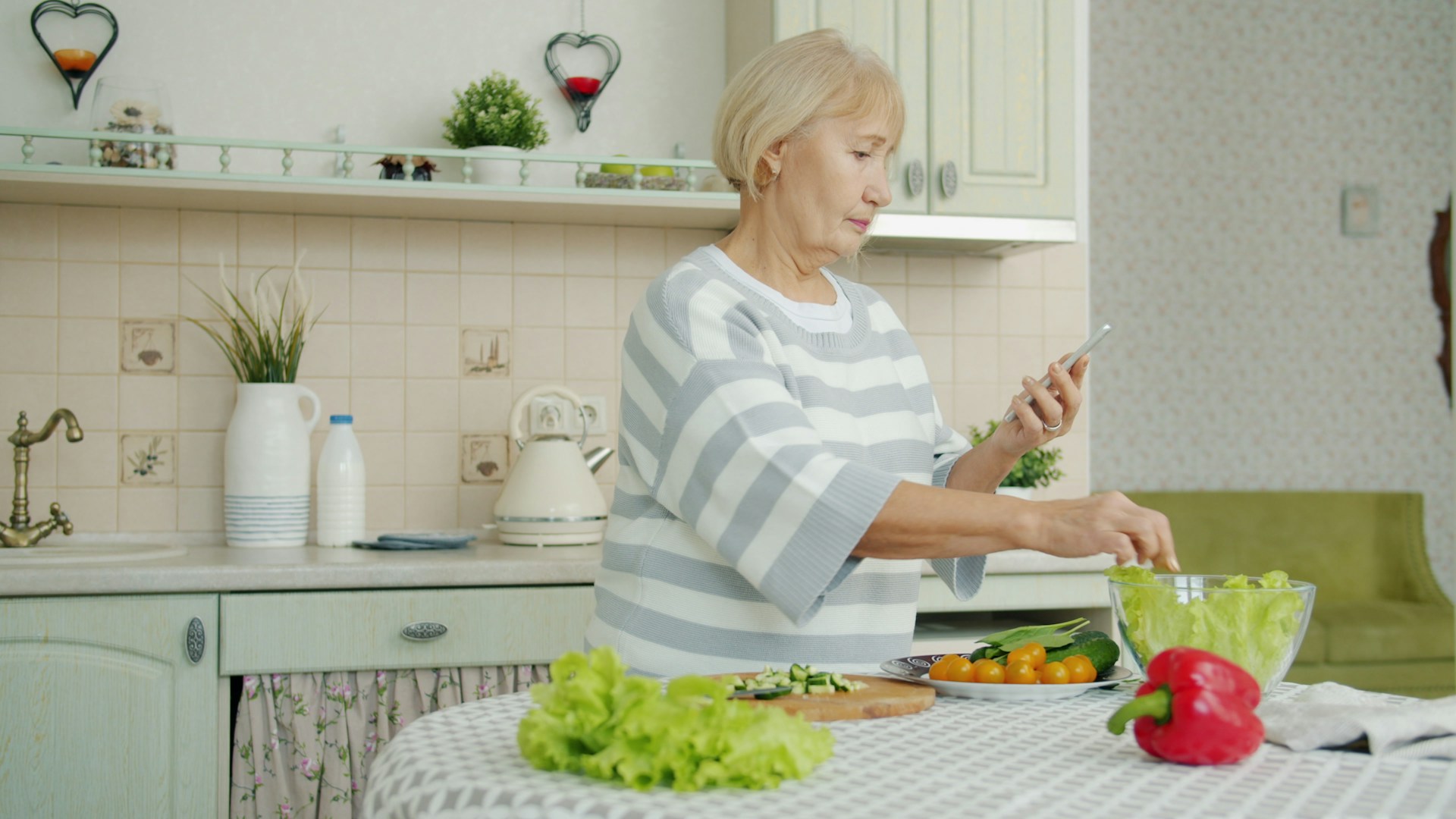
For aging adults, independence does not mean handling everything alone. Rather, it means having control over how life is lived. Accepting help can actually extend independence by preventing injuries or health setbacks.
Support may come from family members or professional caregivers. You can visit https://carespherehc.com/elderly-care-services/ to understand the scope of professional elderly care when it comes to everyday support.
Non-medical elderly care services are ideal for people who want to age in place. They focus on safety, routine, and social connection, eliminating the need to move to assisted living or residential facilities. Whether it’s assistance with grocery shopping, transportation, or household chores, small support systems can make a big difference.
Families must encourage open conversations about needs and preferences to reduce resistance. When older adults are involved in decision-making, they are more likely to feel respected and less likely to view support as a loss of autonomy. Support should be framed as a partnership instead of a dependency.
Acknowledge Check-Ins
A Yahoo article cites a KFF survey stating that 28% of American seniors over 65 now live alone, without partners or families. This number is a stark increase from nearly 10% in 1950, and indicates a transition toward the solo-aging trend in the country. While living away from your loved ones gives you autonomy, you should acknowledge check-ins to ensure safety over the years.
Regular check-ins by your loved ones can actually provide reassurance without being intrusive. These can be as simple as a daily phone call, a text message, or a scheduled visit once a week or month. Technology also offers solutions, such as wearable alert devices or smart home monitoring systems, enabling families to keep a close watch.
Families and seniors must normalize these check-ins as part of a routine rather than a sign of concern. When approached positively, they help older adults feel connected and supported while still maintaining their personal space.
Address Fall Risks
Recent data by the CDC highlights the prevalence of falls among seniors in the US. Over 14 million (1 in 4) seniors over 65 report sustaining falls annually. About 37% of the reported injuries led to restrictions on their activity for at least a day or required medical treatment. The threat is real and should not be ignored, particularly by seniors opting for independent living.
Simple home modifications can offer effective protection for fall risks. These include installing grab bars in bathrooms, improving lighting, securing rugs, keeping walkways clutter-free, and installing a stair lift to improve safety and mobility in multi-level homes. Footwear should be chosen with care, as non-slip shoes provide better stability than loose slippers.
Besides creating a safe living space, you must get regular vision and balance checkups as you grow older. A safer home environment and self-care enable older adults to move confidently without constant fear of injury.
Use a Medication Management System
According to a study published in The BMJ, 45% of seniors take at least five drug treatments, referred to as polypharmacy. Increased healthcare costs, adverse drug events, and cognitive and functional impairment are linked with polypharmacy. Moreover, it elevates the risks of falls, frailty, hospitalizations, and mortality.
For those looking to balance independence and safety, managing multiple medications is essential. However, things can become dangerous if you miss or duplicate doses due to confusion. A structured medication system helps seniors to stay safe without losing their independence.
Options range from simple pill organizers to digital reminders and automated dispensers. Keeping an updated medication list and reviewing it regularly with a healthcare provider ensures accuracy and prevents harmful interactions.
FAQs
How can we maintain independence in old age?
Maintaining independence involves proactive planning and adaptability. Creating a safe home environment, using assistive tools, and staying physically and mentally active are essential. Accepting support when needed and maintaining social connections also help older adults retain control over their lives while reducing risks associated with aging.
What are the four basic emotional needs of the elderly?
The four key emotional needs are security, belonging, purpose, and dignity. Older adults need to feel safe in their environment, connected to others, and valued for their experiences. Maintaining a sense of purpose and being treated with respect contribute to emotional well-being and overall life satisfaction.
What should a 70-year-old be doing every day at home?
A 70-year-old should maintain a balanced diet, engage in light physical activity, and stay mentally active. Social interaction, even if minimal, is important. Managing medications, maintaining personal hygiene, and following a daily routine help ensure both physical health and emotional stability.
Balancing independence and safety in aging at home is not about choosing one over the other, but integrating both into everyday life. With thoughtful adjustments, supportive tools, and open communication, older adults can continue to live confidently in their own spaces. The journey of aging should be approached with flexibility and foresight. Small changes today can prevent larger challenges tomorrow.
Families and caregivers also benefit from this balanced approach, as it fosters trust and reduces stress. With the right mindset and resources, growing older at home can be both secure and deeply fulfilling.
The owners and authors of Cinnamon Hollow are not doctors and this is in no way intended to be used as medical advice. We cannot be held responsible for your results. As with any product, service or supplement, use at your own risk. Always do your own research and consult with your personal physician before using.