Feeling like you’ve outgrown your home can be stressful, especially when moving isn’t an option you want to consider right now. Over time, your belongings can build up, furniture fills every corner, and rooms can start to feel tighter than they used to. The good news is that creating more space doesn’t always mean packing boxes and searching for a new property.
With some smart planning and everyday habits, you can make the most of the home you already have. By rethinking how you use your rooms, introducing practical storage, and removing what you don’t actually need, you can enjoy more open space without leaving the place you’re in.
Rethink your furniture choices
Furniture plays a huge role in how much usable space you have. Bulky sofas, oversized tables, and heavy cabinets may look good, but they can also take away from how open a room feels. Choosing pieces that are versatile and sized appropriately makes a big difference.
Items like foldable dining tables, stackable chairs, or beds with built-in drawers give you plenty of function without taking away space unnecessarily. Swapping one or two pieces of furniture can change the flow of a room and make it feel far less cramped. The key is to think about how you actually use your furniture. If something doesn’t serve your lifestyle, it might be time to replace it with something that fits better.
Make use of offsite storage
One of the quickest ways to free up space is to move items you don’t use regularly out of your home. Seasonal clothing, holiday decorations, or bulky sports gear can take up an unnecessary amount of room if kept inside. A simple solution is to rent storage units and place these less-used belongings there.
This allows you to keep important items without having them cluttering up closets, garages, or spare rooms. It’s especially helpful if you’re living in a smaller space where every inch matters. By moving these things offsite, your home instantly feels lighter and easier to manage. It’s all about making your living spaces work better by storing items where they don’t interfere with daily life.
Get creative with vertical space
When people run out of room, they often focus on the floor, but walls offer plenty of opportunities. Installing shelving, wall-mounted racks, or even hanging storage can take items off the ground and free up valuable space.
Vertical storage works especially well in kitchens, entryways, and bedrooms, where small items tend to pile up. It allows you to keep things accessible without cluttering surfaces or stuffing drawers. This approach is also flexible. You can design shelving to fit the exact size of a wall or corner, making it a personalized solution that maximizes the space you already have.
Clear out what you don’t need
It’s easy to underestimate how much unused or forgotten stuff takes up space. Clothes you no longer wear, old electronics, or extra kitchen gadgets can quickly fill cabinets and closets. Taking time to declutter can give you back significant amounts of room.
Start small by tackling one area at a time, like a single drawer or shelf. Sorting items into keep, donate, and recycle categories makes the process more manageable and less overwhelming. Once you clear out what you don’t use, the space left behind opens up options for organizing the items you actually want to keep.

Use smarter storage at home
Storage doesn’t have to mean big plastic bins or messy boxes. There are many smarter storage solutions that fit right into everyday furniture and layouts. For instance, ottomans with hidden compartments, under-bed drawers, or wall-mounted cabinets provide space while still looking stylish.
These solutions make storage feel like part of your home instead of something that adds clutter. They also help keep items within easy reach while maintaining a cleaner, more open look. By combining style with practicality, smarter storage gives you the best of both worlds. This leads to a functional home that still feels organized and comfortable.
Divide rooms by function
Sometimes, it’s not about the amount of space but how it’s used. Rooms often end up holding a mix of items and activities that don’t really belong together, which makes them feel cluttered. Dividing rooms into functional zones helps organize the space better.
For example, you can set up one corner of the living room as a small work area and another as a reading space. By defining these zones, you avoid mixing things like office supplies with entertainment items. This approach makes each area easier to manage and reduces the sense of chaos that comes when everything overlaps.
Revisit your daily habits
The way you use your home day-to-day has a direct impact on how much space you feel you have. Leaving items out on counters, stacking things in corners, or not putting items back in their place all add to a sense of crowding. Adjusting these habits can make a noticeable difference.
Creating simple routines, like putting things away each evening or limiting how many items you keep out in the open, keeps spaces clear. These habits don’t take much effort but add up over time. Consistency is key here. When everyone in the household follows the same approach, the whole home feels more open and organized.
Look outside for extra room
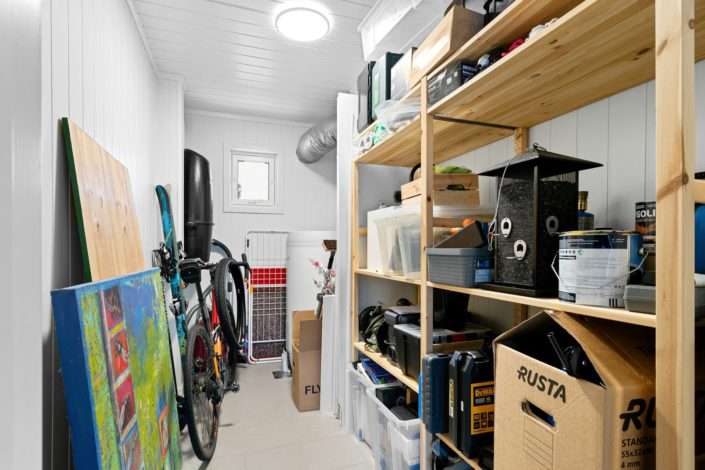
If you’ve used every inch indoors, it might be time to look outdoors. Garages, sheds, and even small backyard storage boxes can provide extra room for items that don’t need to stay inside. Garden tools, bicycles, and seasonal supplies often take up valuable indoor space but can easily be kept outside.
This approach frees up rooms inside the house for items you use daily. Even small outdoor storage setups can relieve pressure from crowded closets and hallways. By extending your storage solutions outdoors, you create more breathing room indoors without sacrificing access to what you need.
Making more space at home doesn’t mean moving or taking on major renovations. By rethinking furniture, using vertical space, decluttering, and adding smarter storage, you can transform how your home feels. With a mix of small changes and consistent habits, you’ll find that the space you need might already be there.

Meg is an author at Cinnamon Hollow. She writes on a variety of topics sharing tips and ideas for daily life.