Many parts of the US witness scorching summers, and the mercury has been rising over the last few years. According to Climate Central, analysis shows the growing influence of climate change in the country. The number of extremely hot summer days in 88% of 247 major American cities has increased to six per year compared to zero per year in the 1970s.
Air conditioners have to work harder to keep your home cool and comfortable during the hottest months of the year. Things can get worse when the system suddenly freezes up instead of working properly. A frozen AC unit indicates that something in the cooling process is not functioning as it should.
Summer freeze-ups are especially confusing because homeowners expect warm weather to prevent freezing. The truth is that an AC system can ice over even on the hottest day if the balance inside the unit is off. Understanding the most common causes can help you spot trouble early, prevent damage, and know when it is time to seek professional help.
Mechanical and Fan Failures
In a Real Simple article, Orlando Penner, building manufacturer expert, says, “Heat waves push HVAC systems beyond their design assumptions, causing higher operating pressure and accelerating mechanical wear, which increases the likelihood of sudden failure.”
Mechanical problems are often less obvious but important reasons an air conditioner may freeze up in summer. The fan moves air across the evaporator coil, and if it slows down, breaks, or stops working properly, the coil cannot absorb enough heat. When that happens, the coil temperature drops too far, and moisture begins to freeze on its surface.
According to https://affordablehvacpa.com/services/air-conditioning-installation/, high-quality installation is a good start. However, regular checks and attention to detail ensure that problems do not surface down the line. A damaged fan motor, worn belts, bent blades, or electrical issues can all contribute to poor airflow and ice buildup.
These problems are often hidden inside the system, so they can be easy to miss until the AC stops cooling well or starts making unusual noises. Regular maintenance helps identify fan-related issues before they turn into major breakdowns.
Taking care of your system before heavy seasonal usage can keep it operating smoothly even during intense summer heatwaves. Homeowners who want to secure optimal energy efficiency and dependable performance can explore more to learn about options that protect their home comfort setup from sudden breakdowns. Consistent care ensures that minor system strains do not escalate over time.
Restricted Airflow
Restricted airflow is another reason an AC unit freezes up. If airflow is blocked, the coil is unable to absorb adequate heat. When this happens, the refrigerant inside becomes too cold. As condensation forms on the coil, it freezes into ice.
Dirty air filters are also a frequent cause of this problem. According to The Spruce, forgetting to clean or replace your HVAC filter can have serious implications. You may notice reduced airflow initially. Long-term effects include higher energy bills, increased breakdowns, and expensive repairs.
When a filter becomes clogged with dust and debris, it limits the amount of air that can move through the system. Blocked supply vents, closed registers, furniture placed too close to vents, or dirty coils can create the same effect. The unit may freeze even though the thermostat is set correctly and the weather is extremely hot outside.
Low Refrigerant Levels
Low refrigerant can cause an AC freeze-up during the summer. Refrigerant absorbs heat and releases it outdoors. The system’s efficacy depends on the optimal amount to work properly. Pressure inside the coil drops if there is a leak or the charge is too low. Lower pressure can cause the coil to become colder than intended, which leads to ice formation.
Unlike airflow problems, low refrigerant usually points to a more serious issue. If the level is low, there is a probability of a leak in the system. Watch out for red flags, such as weak cooling, hissing sounds, longer run times, and ice on the indoor coil or refrigerant lines.
Since handling refrigerant requires specialized training and equipment, you must not try a do-it-yourself fix. A licensed technician should be called for the job. Ignoring a refrigerant problem can damage the compressor and make the repair much more expensive.
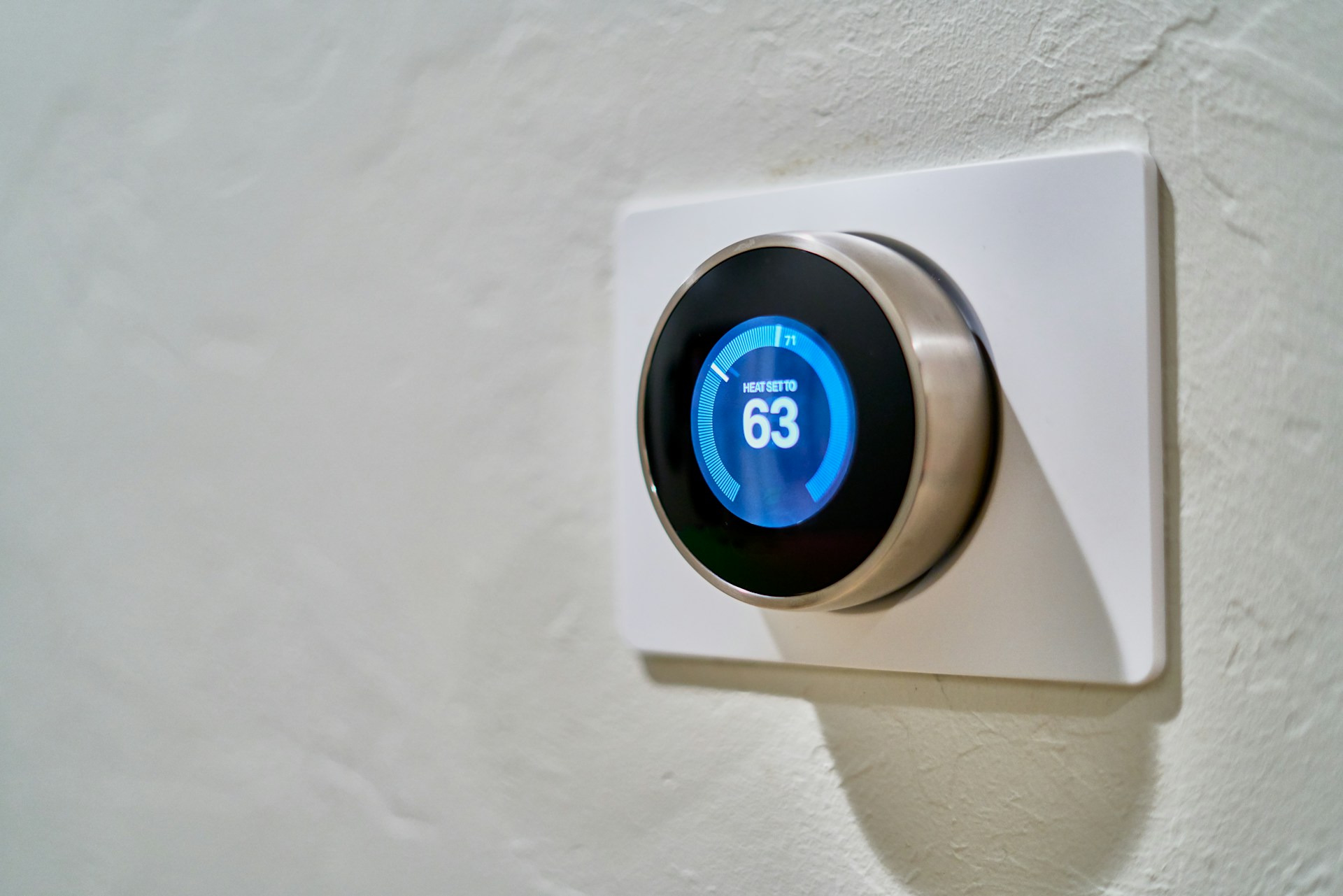
Thermostat Issues
Thermostat problems can also contribute to freezing, even though they are not always the first thing people suspect. A BHG article offers helpful advice on setting a thermostat during a heat wave. The sweet spot is 78°F when you need cooling. Try bumping it up to 82°F when sleeping and 85°F when away. These settings reduce the load on the system.
If the thermostat is set too low, it may keep the system running for long periods without enough time to recover between cycles. That continuous operation can cause the evaporator coil to get too cold. In some cases, the issue is not the temperature setting itself but a faulty sensor that reads temperatures incorrectly.
A malfunctioning thermostat may cause short cycling, inaccurate temperature control, or prolonged operation that puts extra load on the system. If the AC keeps running when it should shut off, moisture on the coil has more time to freeze. While thermostat issues may seem minor compared with a frozen coil, they can trigger or worsen the problem.
FAQs
How do I fix my air conditioner if it freezes up?
Start by turning off the system first and letting the ice melt completely. Replace dirty air filters, check for blocked vents, and ensure proper airflow. If the problem persists, a licensed HVAC technician should be called to inspect refrigerant levels, mechanical components, and overall performance.
Should I turn my AC off if it’s frozen?
Yes, you should turn your AC off if it is frozen. Continuing to run it can worsen the ice buildup and damage internal components like the compressor. Switch the system off and turn on the fan to help melt the ice faster. Once thawed, pinpoint and fix the underlying issue.
How to unfreeze an AC unit fast overnight?
To unfreeze an AC unit overnight, turn off the cooling mode. Next, switch the fan to “on” to circulate warm air over the coils. Replace clogged filters and open all vents. Ensure good airflow throughout the home. Most units will fully thaw within several hours if airflow improves.
Key Takeaways
| Cause of AC Freeze-Up | What Happens | Fix / Prevention |
| Mechanical & Fan Failures | Reduced airflow over evaporator coil causes freezing due to poor heat absorption | Regular maintenance, inspect fan motor, belts, and components |
| Restricted Airflow | Blocked airflow prevents coil from absorbing heat, leading to ice formation | Clean/replace filters, keep vents and registers unblocked |
| Low Refrigerant Levels | Low pressure makes coil too cold, leading to freezing and poor cooling | Professional leak detection and refrigerant recharge |
| Thermostat Issues | Continuous cooling keeps coil too cold, leading to ice buildup | Set proper temperature, fix or replace faulty thermostat |
Air conditioner freeze-ups during summer are more common than many homeowners realize. This usually happens because systems work harder under extreme heat conditions. Recognizing early warning signs can help you act quickly and avoid costly repairs. Regular servicing, proper thermostat settings, and ensuring adequate airflow are essential steps to keep your AC running efficiently.

Hi, I’m Crystal – a Kentucky-based Aromatherapist, wife, mom and the voice behind The Cinnamon Hollow. I share cozy, real-life inspiration for healthier routines, simple home living, essential oil use and safety, beauty, pets, and family adventures. From everyday tips to travel guides, my goal is to help you create a warmer life and embrace each day as its own little adventure. Always remember to live life, one adventure at a time! read more