Summer is approaching, and temperatures are gradually rising. We’ve already lowered the indoor temperature, but dogs can’t stay indoors all day; they’ll be unhappy. They need to run on the grass and swim freely in the river. Ear problems in dogs often occur in the hot and humid summer, especially yeast infections. Fortunately, most yeast infections in dogs’ ears can be avoided with proper care and daily prevention! This article will discuss how to prevent yeast infections in dogs, explaining what yeast infections are, their symptoms, and how to prevent them, helping dogs develop good ear habits and protect their overall health!
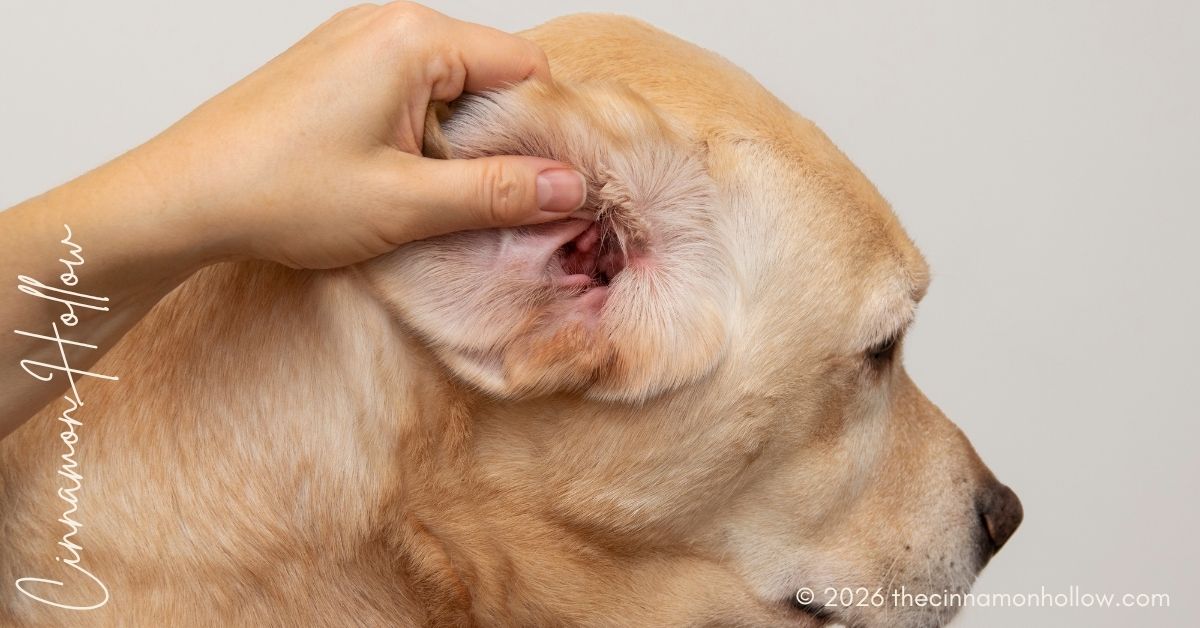
What is yeast infection?
Yeast infection in a dog’s ear is a very common type of ear infection problem. A study by the National Center for Biotechnology Information in the United States found that Malassezia was detected in 57.3% of dogs with otitis externa, and in 28.0% of healthy dogs. This indicates that Malassezia is not “only present in severe infections,” but the real problem often arises from its overgrowth when the ear canal environment is imbalanced.
Yeast infections in dogs’ ears are usually caused by an overgrowth of a fungus called Malassezia pachydermatis. Small amounts of yeast are naturally present in a dog’s skin and ear canals, but when the ear canal environment is disrupted (moisture, injury, allergies, or bacterial imbalance), the yeast can grow explosively, producing brown, reddish-brown, or gray oily ear canal secretions, which in turn leads to inflammation and infection.
Why do dogs get ear yeast infections?
There are many reasons why dogs may develop yeast overgrowth and secondary infections , but it’s not accidental. Understanding the causes is key to eliminating the source of infection. The following are the main factors that trigger yeast infections:
1. Allergic reaction
Food allergies (commonly seen in allergies to specific proteins, such as chicken, beef, and dairy products) or environmental allergies (pollen, dust mites) can cause inflammation of the ear canal skin. The ear canal mucosa may also react by secreting excessive wax, leading to the rampant growth of yeast. Allergies are one of the important causes of recurrent ear infections.
2. Humid environment
The Merck Veterinary Manual states that moisture is one of the most important environmental factors contributing to yeast infections in dogs, especially after bathing, swimming, or rain. It’s crucial to dry the ears promptly. Yeast thrives in warm, moist ear canals. If a dog isn’t thoroughly dried after bathing, swimming , or getting wet in the rain , the closed , warm ear canal becomes a breeding ground for yeast. The residual moisture provides ideal conditions for yeast growth. In my own experience caring for dogs, I ‘ve observed that many ear problems develop gradually after bathing, swimming, or in humid weather.
3. The special structure of ear canal
Dogs with floppy ears, such as Cocker Spaniels, Golden Retrievers, and Basset Hounds, have ears that cover the ear canals, resulting in poor air circulation and a hot, humid environment. In contrast, breeds like Poodles and Schnauzers have dense hair inside their ear canals, which helps trap moisture and earwax, making them highly susceptible to yeast infections.
4. Cleaning habits
Dogs that are not regularly groomed and do not develop good cleaning and grooming habits, especially in areas prone to yeast infections such as the ears and skin folds, will develop yeast infections .
5. Decreased immune system
Hypothyroidism , autoimmune diseases , and chronic skin diseases can all weaken a dog’s immune system, creating an opportunity for yeast to thrive.
What are the symptoms of yeast infection in a dog’s ears?
- Redness and swelling in the ear canal, itching, frequent head shaking, pain upon touch, drooping ears, and hearing loss.
- Characteristic odor: The ear emits a sweet, musty, or fermented smell similar to corn chips .
- Increased secretions: Dark brown, reddish-brown, or gray waxy substances appear in the ear canal. These waxy secretions are usually yeast and debris accumulated in the ear canal.
Note: If symptoms do not improve or even worsen after two weeks of continuous care, if ear discharge is yellowish-green and purulent, if the dog experiences pain, head tilting, or imbalance, it should be taken to a veterinary hospital immediately for examination and professional medical intervention! Veterinarians will typically perform an ear canal examination using an endoscope and prescribe specialized antifungal ear drops . You can refer to this article— “Dog Allergies and Ear Infections: How to Choose and Use Antifungal Ear Drops for Dogs” —for more information.
How to prevent yeast infections in dogs’ ears ?
After understanding the symptoms of yeast infection, we can observe our dog’s condition at all times to determine if it is a yeast infection. This will make prevention more targeted. Rather than waiting until the dog’s ears smell bad and turn red before treating it, it is better to do a good job of daily care in advance.
1. Keep the ear canal dry
Yeast thrives in moist environments, and its only Achilles’ heel is keeping a dog’s ear canals dry. After each swim, bath, or rain shower, use a dry towel to gently dry the ears, removing any visible moisture. Then, use a hairdryer on a cool or warm setting, holding it at a distance, to thoroughly dry the inside of the ear canal. Controlling humidity is one of the most effective ways to prevent yeast infections. Before each bath, I insert a clean, large cotton ball into the opening of my dog’s ear canal to prevent water from entering directly, and I remove it immediately afterward.
2. Regular ear canal cleaning
The goal of ear cleaning is to remove excess earwax, dust, debris, and moisture remaining in the ear canal, rather than frequently irritating it. Over-cleaning can damage the ear canal barrier and worsen the problem. The cleaning frequency can generally be determined based on the dog’s constitution, ear shape, and lifestyle. Healthy dogs should be cleaned every 1-2 weeks, while dogs prone to infections should be cleaned weekly. Use a pet-specific ear cleaning solution and avoid using alcohol, hydrogen peroxide, or human ear cleaning products.
3. Regularly clean your ear hair
For breeds like Poodles and Schnauzers with dense ear hair, excessive ear hair can obstruct airflow. My suggestion is to have the ear hair trimmed or plucked regularly under the guidance of a professional groomer or veterinarian. However, this shouldn’t be done all the time, as ear hair may play a protective role in the ear canal. If the ear hair is too long or excessive, it needs to be treated promptly to prevent yeast infections. According to the American Veterinary Medical Association ( AVMA ) , ear infections are more common in breeds with similar ear structures, with Poodles specifically mentioned as a high-risk breed.
4. Adjusting diet and boosting immunity
- Allergy testing: If your dog keeps having ear infections, you should focus on identifying allergens. You can do food elimination tests or serum allergen tests. You can also try switching to hypoallergenic formula food or food that is only made from meat to solve the problem at its root.
- Humidity management: A humid environment provides a good environment for yeast to invade. When the humidity in your home is >60%, you can use a dehumidifier to reduce the humidity, especially in the area where your dog sleeps.
- Supplementing with Omega-3: Adding an appropriate amount of fish oil to your daily diet can help reduce overall inflammation levels in the ear canal , as Omega-3 has excellent anti-inflammatory properties . Consult a veterinarian for specific dosage instructions!
What preventative measures should be taken in specific scenarios?
Many pet owners ask, ” Is it enough to just wash their ears once a week? ” The answer is: no. Different life scenarios have completely different impacts on the ear canal environment. The following situations will tell you what to do and when! My biggest takeaway from owning a pet is that many ear problems cannot be solved with a single treatment, but rather with consistent, long-term habits .
| Scene | Risk reasons | Preventive measures | Precautions |
| bath | Moisture remaining in the ear canal creates a humid environment that promotes yeast growth. | 1. Before showering: Gently plug the opening of the ear canal with a dry cotton ball . 2. During showering: Avoid direct shower head exposure; it is recommended to cover the ears with your hands. 3. After showering: Clean and care for your ears according to the ear washing procedure . 4. You can use ear drying powder , lightly sprinkle it on the ear canal opening to keep the ears dry . | *Do not stuff the cotton ball too deep, otherwise you may forget to remove it after washing, which could become a source of infection. *Keep the ear cleaning solution in a visible place in the bathroom to avoid forgetting to clean your ears. |
| swim | Prolonged contact of the ear canal with water causes it to become moist and increase humidity. | 1. Immediately after getting out of the water, use a towel to dry the surface of the ears. 2. If the dog swims frequently , it is recommended to use an ear cleaning solution containing ketoconazole once after swimming to effectively inhibit and kill fungi in the dog’s ear canal . | *Natural water bodies (rivers, lakes, and seas) pose a higher risk than swimming pools, containing more fungi and bacteria , and require extra caution. |
| Allergy season ( spring and autumn, when pollen/dust mites are abundant ) | Environmental allergens such as pollen and dust mites can trigger skin risks, leading to increased ear canal secretions and creating conditions conducive to yeast growth. | 1. Increase the frequency of daily ear canal examinations from once a week to once every 3 days. 2. Increase the frequency of ear washing and use anti-yeast ear wash solutions containing ketoconazole or miconazole . 3. Simultaneously control the humidity of the home environment. You can use a dehumidifier, clean the dog’s kennel regularly, and keep the home environment dry and well-ventilated. | *If you experience redness and swelling in your ear canal during allergy season, don’t hesitate to consult a veterinarian for help to avoid increasing the risk of infection. *When going out, you can dress your dog in a hypoallergenic bodysuit to prevent excessive contact with the skin . |
How to properly clean a dog’s ears?
- Items needed: When cleaning your dog’s ears, you will need pet-specific ear cleaning solution, cotton balls or gauze, and treats.
- Infuse ear cleaning solution: Gently lift the auricle and squeeze the ear cleaning solution into the ear canal .
- Massage the base of the ear : Use your fingers to rub in circles on the outside of the ear for 30 seconds .
- Let the dog shake its head : Release your grip and step back, allowing the dog to shake out the liquid and dissolved dirt on its own.
- Wipe the outer ear : Wipe the visible part of the inner ear with a cotton ball .
- Reward incentives: Immediately reward the dog with a treat to establish a positive association and prevent the dog from resisting ear cleaning next time .
Veterinary Disclaimer
The information provided in this article is for general informational and educational purposes only. It is not medical advice and should not be considered a substitute for professional veterinary care, diagnosis, or treatment. If your pet has a medical emergency, persistent health problems, or requires immediate medical attention, please consult a licensed veterinarian promptly.

Hi, I’m Crystal – a Kentucky-based Aromatherapist, wife, mom and the voice behind The Cinnamon Hollow. I share cozy, real-life inspiration for healthier routines, simple home living, essential oil use and safety, beauty, pets, and family adventures. From everyday tips to travel guides, my goal is to help you create a warmer life and embrace each day as its own little adventure. Always remember to live life, one adventure at a time! read more