Entering recovery from substance use represents one of life’s most courageous decisions. An intensive outpatient program offers structured care without requiring residential stays at a facility. This treatment approach blends therapeutic rigor with the freedom to maintain daily routines and family obligations.
Many individuals feel uncertain about what an intensive outpatient program actually entails on a day-to-day basis. Addiction and mental health treatment centers like TruHealing Cincinnati provide this level of care for those seeking flexibility alongside professional support. The upcoming sections will illuminate the daily structure, therapeutic methods, and personal commitment necessary for success in this transformative recovery path.

The Daily Structure and Time Commitment
Most intensive outpatient programs require participants to attend sessions for three to five hours per day. These sessions usually take place three to five times each week. Morning and evening schedules help individuals continue working while receiving treatment. Each session may include group discussions, individual counseling, and educational workshops focused on addiction and recovery skills.
Attendance is required, and regular participation supports better treatment outcomes. Most programs last between eight and twelve weeks, although some individuals may need additional time based on their progress. Case managers review recovery goals regularly and adjust treatment plans when necessary.
Therapeutic Approaches Used in Treatment
Cognitive behavioral therapy forms a key part of many intensive outpatient recovery programs. This approach helps individuals recognize harmful thought patterns that may contribute to substance use. Motivational interviewing encourages participants to strengthen their commitment to recovery in a supportive and nonjudgmental setting.
Family therapy sessions may take place throughout treatment to improve relationships and encourage healthier communication. Dialectical behavior therapy helps participants develop emotional regulation skills, especially when mental health concerns are also present. Group therapy offers peer support and accountability while creating connections through shared recovery experiences.
Managing Withdrawal and Cravings Safely
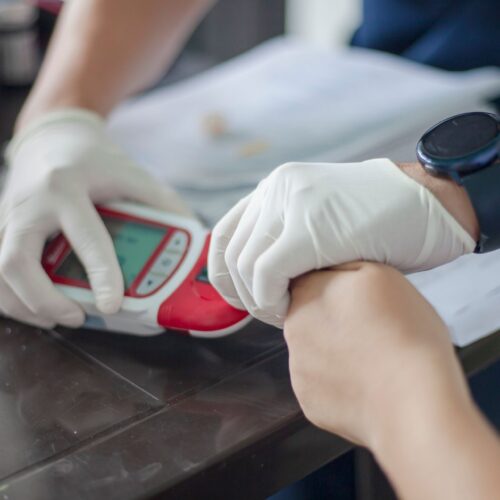
Medical professionals closely monitor withdrawal symptoms during the early stages of treatment. Physicians may prescribe medications to help reduce discomfort associated with alcohol or opioid withdrawal. This support can make the recovery process safer and more manageable. Regular drug testing promotes accountability and helps track treatment progress.
Counseling sessions place strong emphasis on managing cravings and avoiding setbacks. Participants learn practical coping strategies for difficult situations that may arise during recovery. Each individual develops a personalized relapse prevention plan that identifies potential risks and appropriate responses. Medical teams also perform routine health assessments to address concerns before they become more serious.
Build Essential Life Skills for Sobriety
Recovery involves more than simply avoiding drugs or alcohol. It also focuses on building healthy routines and positive habits. Vocational counseling helps participants overcome employment challenges linked to substance dependence. Financial management workshops teach budgeting skills and help reduce stress.
Time management strategies encourage individuals to use their free time productively. Meaningful activities and healthy social connections support long-term progress. Communication training improves assertiveness and helps participants handle peer pressure effectively. Nutritional guidance and exercise recommendations promote physical health, emotional balance, and mental clarity.
Navigate Triggers in Real-World Settings
Practicing coping skills in real-life situations can be one of the most difficult parts of recovery. Participants gradually face places, people, and situations that once triggered substance use. Therapists help guide this process in a safe and supportive way. Role-playing exercises prepare individuals for interactions with people who may still use drugs or alcohol.
Stress management techniques, such as deep breathing and mindfulness, help participants respond calmly to emotional challenges. Each success builds confidence and strengthens recovery efforts. Relapse is viewed as a learning opportunity rather than a failure. Treatment centres like TruHealing Cincinnati emphasize this learning-oriented perspective to reduce shame and encourage persistence.
Recovery through an intensive outpatient program requires dedication and patience. The structured setting provides accountability while allowing individuals to maintain daily responsibilities. Many participants describe the experience as challenging yet rewarding. This treatment approach offers hope for lasting sobriety through professional support and meaningful community connections.
The owners and authors of Cinnamon Hollow are not doctors and this is in no way intended to be used as medical advice. We cannot be held responsible for your results. As with any product, service or supplement, use at your own risk. Always do your own research and consult with your personal physician before using.