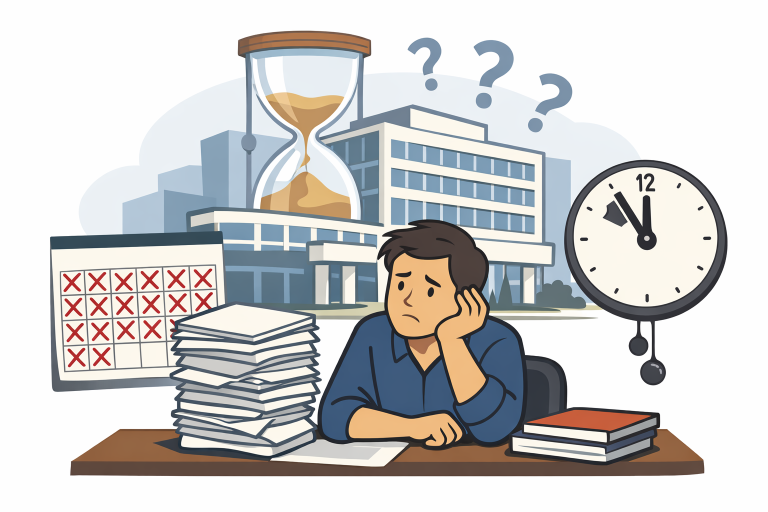
Routine health screenings should feel routine.
For millions, they don’t. The waiting room. The paperwork. The sample cups. It all can add up to serious anxiety.
In 2024, 43% of adults reported feeling more anxious than last year, with health concerns ranking near the top.
Here’s the good news:
Screening stress can be managed. With the right approach you can:
- Walk into any appointment feeling calm
- Get more accurate readings from your tests
- Actually enjoy the peace of mind screenings are supposed to give you
Here’s how to do it…
What you’ll uncover:
- Why Routine Screenings Cause So Much Stress
- Common Tests That Trigger the Most Worry
- Simple Prep Steps To Ease Screening Anxiety
- Calming Techniques That Actually Work
- What To Do On The Day Of Your Screening
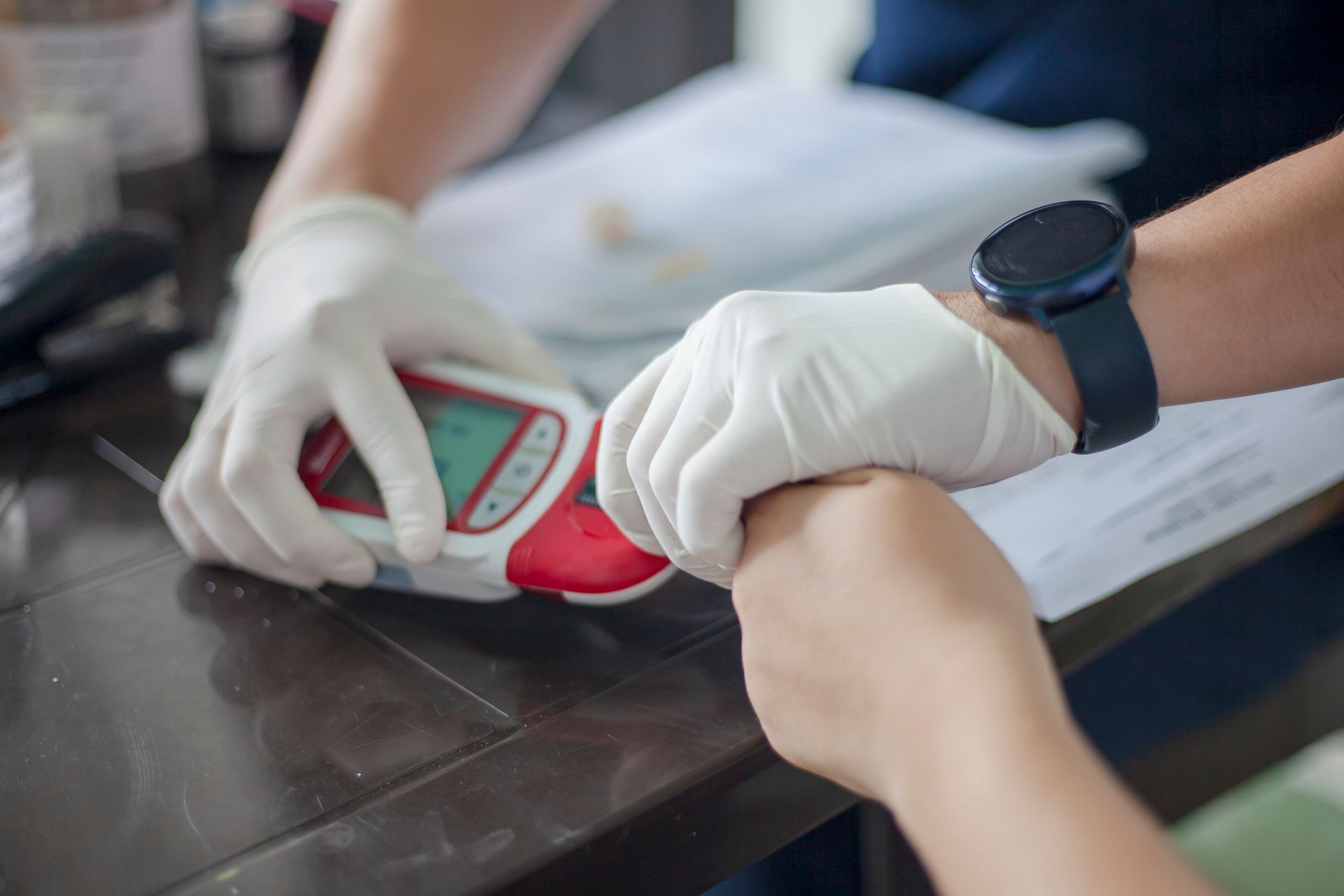
Why Routine Screenings Cause So Much Stress
Simple things like a check up can induce an authentic stress reaction. Blood pressure elevates. Hands begin trembling. And suddenly Tuesday isn’t just Tuesday, it’s the day of the final.
There’s a name for it.
White coat syndrome is common. In fact, white coat syndrome impacts 15 to 30 percent of adults with hypertension. That means one out of three or four patients come into your clinic and walk away with an inaccurate reading — all due to anxiety.
The stress usually comes from a mix of things:
- Fear of bad news
- Waiting around with no distractions
- Past bad experiences at the doctor
- Confusion about what the test actually measures
- Worry that something small could turn into something big
The problem?
Stress impacts your results. Your results make you more stressed about the next one. It’s a vicious cycle that many patients find themselves in.
Common Tests That Trigger the Most Worry
Some tests scare the living daylights out of people. Phlebotomy (drawing blood) is probably number one. Blood pressure is a close second. Urinalysis…especially kidney function tests tend to surprise people because the numbers sound so medical-ish.
Kidney panels will often measure creatinine levels in urine and blood samples. This measures how effectively your kidneys are filtering waste from your blood. Elevated creatinine can indicate kidney problems. Low creatinine can indicate muscle or dietary problems. The levels are so specific, patients often catastrophize before they even get results.
Some worried patients begin Googling every tip and trick they can find to try to game the system, anything from hydration methods to browsing synthetic urine products online. Research like that typically exacerbates anxiety, not quells it. Much wiser would be to focus your energy on things you can actually control:
- Drinking enough water in the days before
- Avoiding intense workouts right before the test
- Following any fasting instructions your doctor gave you
- Asking questions if any part of the prep is unclear
FYI: Urine tests for Creatinine levels are one of the most frequently done laboratory screenings ever. The chances are overwhelmingly in favor that the result will be entirely normal — which is precisely why the test is done to begin with.
Simple Prep Steps To Ease Screening Anxiety
The best way to lower screening stress is to prep properly.
It’s not just the medical prep work (fasting, hydrating, medication) … its the mental prep work as well. Patients who plan ahead are virtually ALWAYS calmer when they walk through the clinic door.
Here’s a solid pre-screening routine:
- Book a morning slot: less waiting time, less time to overthink it.
- Read the prep instructions twice: confusion is a huge stress trigger.
- Sleep well the night before: poor sleep makes everything feel worse.
- Eat properly (if allowed): low blood sugar can mimic anxiety symptoms.
- Bring a distraction: headphones, a book, or a podcast for the waiting room.
Okay, one last tip. Jot down questions before you go. Simply having 3 or 4 questions written on a note in your phone can help the visit feel like a conversation rather than an interrogation.
Calming Techniques That Actually Work
There are many tips on how to just breathe floating around on the internet. Some of them actually work.
The key is choosing one or two that suit you and then sticking with it. Here are some tips to try:
- Box breathing: breathe in 4 seconds, hold 4 seconds, breathe out 4 seconds, hold for 4 seconds. Continue until your shoulders relax.
- Grounding: Name 5 things you can see, 4 you can touch, 3 you can hear, 2 you can smell, 1 you can taste.
- Muscle relaxation: work through each muscle group and tense and relax starting at your toes and working your way up to your face.
- Reframing: remember most screenings come back clear, and catching issues early is the whole point.
Begin practicing a few days prior to your appointment. If you practice while relaxed you will remember what to do when your pulse quickens in the waiting room.
Recent CDC data from 2024 indicates that approximately 19% or 1 in every 5 adults living in the U.S. have ever been told by a doctor that they had some form of anxiety disorder at least once in their life. So if your screening for stress is edging more into territory that feels like more than just nerves, consider talking to a mental health specialist – not just your primary care doctor.
What To Do On The Day Of Your Screening
The morning of the appointment is where a lot of the stress peaks.
Keep it simple.
Arrive early so you aren’t stressed about running late. Wear comfortable clothes. Avoid caffeine if you know it will make your heart race. Once you arrive at the office, avoid checking WebMD while you wait in the waiting room. That’ll only lead you to catastrophic thinking.
Tell the nurse if you get a flash of anxiety at the counter. Most clinics expect it and will allow you a minute to relax before taking measurements. This goes a long way with blood pressure testing. One minute of relaxation can drastically alter the reading.
Bringing It All Together
Annual checkups don’t have to be something you fear. Prepare for them and keep a couple tools to relax at your fingertips and they’re just another part of taking care of yourself.
To recap:
- Understand that screening stress is common and has a name
- Prep your body and your mind before the appointment
- Pick a calming technique and actually practise it
- Focus on what you can control, not on worst-case results
- Ask for help when the stress feels bigger than the appointment itself
Screenings are here for your future. Dealing with the stress of them is just part of ensuring you get all the benefits… and they do get easier every time you go.
The owners and authors of Cinnamon Hollow are not doctors and this is in no way intended to be used as medical advice. We cannot be held responsible for your results. As with any product, service or supplement, use at your own risk. Always do your own research and consult with your personal physician before using.

Meg is an author at Cinnamon Hollow. She writes on a variety of topics sharing tips and ideas for daily life.