There is a shift happening in the world of modern healthcare. While the traditional method of spotting symptoms and then seeking diagnosis and treatment is reactive, meaning often too late to stop the damage from occurring to begin with, more and more people are turning towards proactive health management. With an eye on preventive health, managing the risks of chronic health issues from cropping up and improving your overall well-being is much easier. What’s more, there’s a range of preventive health tools on the rise, helping people do just that. Here, we’re going to take a closer look at some of the best to see how, exactly, they can help.
What Should You Look For In Your Preventive Health Platforms?
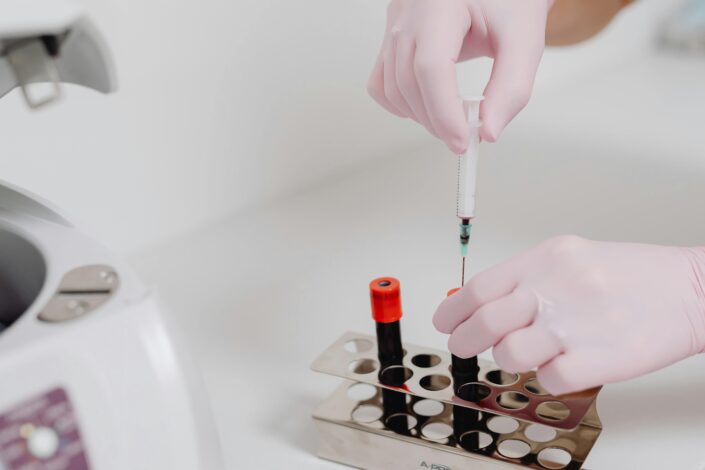
Typically, preventive health platforms work by taking blood tests that offer a deeper look into your health than you typically get with doctors’ appointments. However, they can go a lot further than that, so here are some of the features you should keep an eye out for:
- Health record consolidation: Bringing insights from healthcare services into one place.
- Personalized insights: Breaking down the data to look at potential risks, trends, and recommendations.
- Wearable integration: Using data from tools like fitness watches for more comprehensive analyses.
- Nutrition and fitness recommendations: Actionable steps to improve your personal health.
- Pricing: Understanding the pricing model (be it subscription or one-time) and what you get for your money is vital. While some tools are cheaper, you may get less in return from them.
Beek Health – An All-In-One Preventive Health Hub
As a modern personal health command center, Beek Health aims to empower users to take charge of their health by providing advanced lab testing that includes over 75 biomarkers, consolidating their health records in one place, and providing in-depth personalized health analyses. It is perhaps the best tool for an in-depth look into whole health, including risk factors and trends to manage over the long-term. The platform focuses greatly on educating its users and enabling them to make more informed choices with their health going forward.
Pros
- Centralizes medical records across providers
- Offers advanced lab testing access
- Strong focus on prevention and health literacy
Cons
- Requires high levels of engagement
- Relies on integrations from your healthcare providers
Function Health – Testing-Driven Health For Early Disease Detection
Function Health also provides large-scale biomarker testing, but makes it the primary offering, with over 160 lab tests provided annually. It combines these tests with clinician-review insights, with access to advanced diagnostics without having to rely on insurance.
Pros
- Extensive biomarker coverage through 160+ tests
- Clinician-review results
- Focus on early detection of disease
Cons
- Requires blood draws, sometimes multiple visits
- Less interactive personalization
InsideTracker – A Data-Driven Nutrition Platform
Rather than focusing purely on disease detection, InsideTracker is all about performance optimization, using blood biomarker analysis as well as nutrition, fitness, and lifestyle insights to help users have more energy, recover better, and generally improve their well-being. While its tests might be relatively simple compared to some providers, it translates them into actionable steps, such as diet and supplement guidance. It even integrates with wearable devices to further tailor its advice to everyday life.
Pros
- Strong focus on actionable lifestyle changes
- Personalized nutrition and supplement plans
- Can integrate data from wearable devices
Cons
- Less comprehensive testing than some platforms
- Additional features (such as DNA testing) cost extra
Superpower – An Affordable Entry Point For Health Tracking
For those who may not be fully committed to the kind of platforms reviewed here, Superpower offers a more accessible approach with a lower price point. Its blood testing is combined with AI-driven insights and ongoing tracking tools that aim to educate users on how to optimize their health. For those who are looking primarily for consistent monitoring without as many of the advanced features named above, it can still offer meaningful insights, even if it’s not quite to the depth of some others.
Pros
- Lower monthly cost than competitors
- Solid range of biomarkers
- AI-driven insights and tracking
Cons
- Less comprehensive than other platforms
- Not many advanced features
OneTwenty – Continuous Optimization With Real-Time Feedback
Designed specifically to work with wearables, the primary focus of OneTwenty is to combine regular lab testing with continuous data input. As such, users can receive updates every few months based on their latest results, helping them tailor their approach to health for ongoing improvement. AI coaching is also a primary offering of the platform, and it can even offer access to medications or supplements in some cases, meaning it can take more of an active role in health management, rather than operating solely in the realm of providing insights and advice. However, it’s also one of the most demanding, not just in terms of pricing, but in terms of user engagement, as well, as it only works best with continuous wearable use.
Pros:
- Quarterly testing and continuous updates
- Integration with wearable data
- Highly personalized insights
Cons:
- Relatively high-priced compared to competitors
- Requires consistent, active engagement and the frequent use of wearable tech
VitalsVault – Deep Insights Without The Subscription Commitment
While the majority of preventive health platforms, including those reviewed here, operate on a subscription basis, meaning you have to pay for them to continue accessing them, Vitals Vault operates differently. It tests for over 160 biomarkers, providing detailed reports, but its in-depth insights come with no ongoing financial obligation. It doesn’t lack for features, either, with a personalized action plan and AI- driven panel tailoring insights based on individual symptoms and history. This can make it a good choice for those who want the information but without being locked in.
Pros:
- No subscription required
- High biomarker coverage
- Competitive pricing
Cons:
- Less ongoing tracking
- Fewer continuous engagement tools
So, Which Is The Best Preventive Health Tool?
Which preventive health platform works best for your needs is largely going to depend on what kind of health management you’re looking for, as well as how engaged you plan to be. For those who want to be a lot more aware of the realities of their health and get full insights on the potential risks they can address, for instance, Beek Health is an easy recommendation. But it’s all about matching the platform with your aims.
The owners and authors of Cinnamon Hollow are not doctors and this is in no way intended to be used as medical advice. We cannot be held responsible for your results. As with any product, service or supplement, use at your own risk. Always do your own research and consult with your personal physician before using.

Meg is an author at Cinnamon Hollow. She writes on a variety of topics sharing tips and ideas for daily life.