A warm pool can make home swim time more useful across more months of the year. For first-time buyers, the choice can feel a bit technical at first. Size, power use, climate, and pool type all play a part. Let’s explore the main tips that can help with a more practical choice.
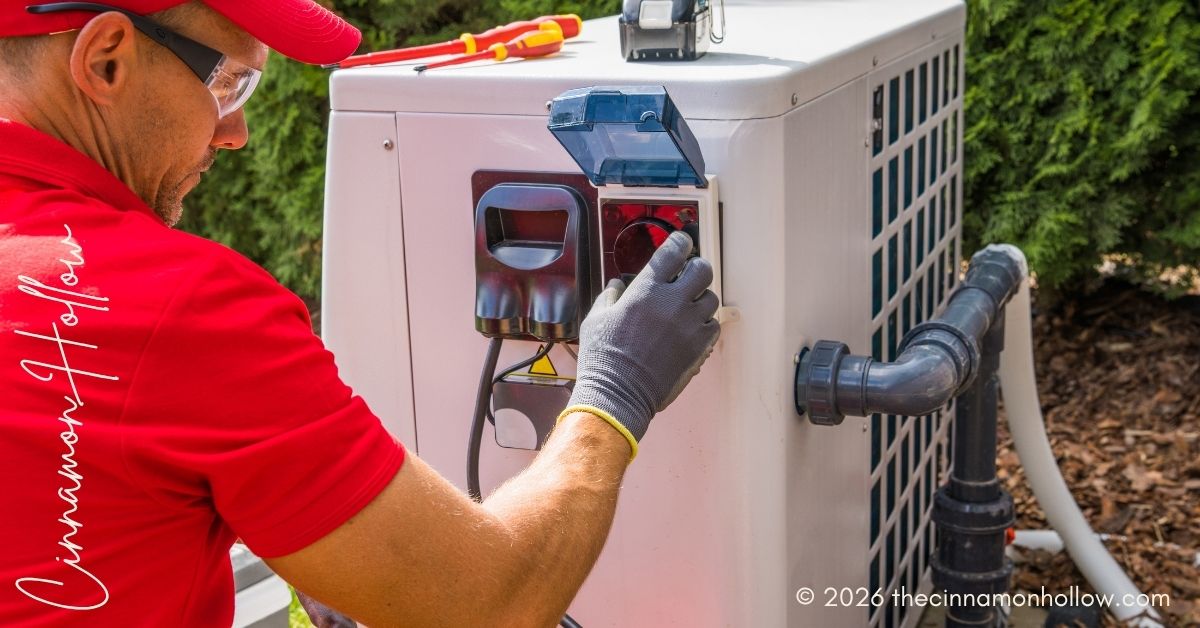
Start With the Pool Size and Use
The size of the pool should be the first detail to check. A pool heat pump works best when its capacity suits the water volume. A unit that is too small may take much longer to heat the water. A unit that is too large may turn out to be a bit expensive.
Think about how the pool is used across the week. A family that swims most days may need a stronger unit. A pool used on weekends may suit a simpler option. This helps with a choice that fits real habits.
Check Local Climate Before Purchase
Climate has a clear effect on heat pump performance. Warmer areas may need less effort to keep water at a pleasant level. Cooler areas may need a unit with stronger output. This is useful for buyers in different parts of Australia.
Air temperature matters because the unit pulls heat from the air. If nights are cold, heat loss can be higher. A pool cover may help reduce that loss. It can also aid in better energy use over time.
Small Details That Matter
Before purchase, check the product details with care. Some features can make daily use easier. Others may help reduce noise or power use.
A simple checklist can make your checklist less stressful.
- The volume and shape
- Power supply at the site
- Noise level near living spaces
- Warranty terms and service support
Look at Energy Use, Along with Price
The lowest upfront price may seem attractive at first. Still, power use can affect the long-term cost. A unit with better efficiency may help improve value over many swim seasons. This is why running cost deserves a close look.
A pool heat pump with an efficient design can support steady water warmth. It may also help reduce waste when paired with a pool cover. First-time buyers should compare output, efficiency, and brand support.
Match Features With Daily Use
Some buyers prefer simple controls with clear temperature settings. Others may want timers or app-based control. The right option depends on comfort level and routine. Extra features are useful only when they suit daily use.
Noise level is another point to review before purchase. A unit near bedrooms or patios should stay reasonably quiet. Placement can make a big difference to comfort. It also helps with airflow and smooth operation.
Plan Installation Before the Unit Arrives
A little site prep can make installation feel far less rushed. The unit needs enough open space around it so air can move through the system well. Safe electrical access should also be checked before delivery. While pool heating equipment operates outdoors, residential systems rely on proper utility setups to function safely throughout the year. Homeowners managing larger home heating upgrades or similar system adjustments often coordinate with qualified technicians beforehand. Securing a reliable heat pump installation in Alexandria helps ensure that your local electrical work and setup meet regional safety standards, providing stable system operation over many swimming seasons. This may help avoid last-minute delays or extra work.
Selecting an optimal outdoor setup is crucial for long-term comfort, whether you are managing an open-air swimming pool or organizing a full household climate strategy. Scheduling a professional heat pump installation ensures that your primary heating and cooling units are correctly calibrated from day one. Experienced specialists balance airflow metrics and electrical loads, which limits structural wear and improves daily efficiency.
Pre-Installation Checks to Review
Before the unit arrives, it helps to look at the area as a whole. Pipework, equipment layout, and available space can affect how smoothly the setup goes. Some pools may need extra fittings or small site changes. A licensed trade may also be needed for electrical work.
- Check that there is enough space around the unit
- Make sure the airflow will not be blocked
- Review pipework and equipment position
- Confirm safe electrical access
- Ask about licensed trade needs early
A first heat pump purchase becomes easier when the focus stays on real pool use. The right choice should suit the pool size, local weather, power needs, and available space. A little research before purchase may help avoid extra cost or poor performance later. With the basics clear, it becomes easier to choose a heater that supports longer, more comfortable swim time.

Meg is an author at Cinnamon Hollow. She writes on a variety of topics sharing tips and ideas for daily life.