Lots of people dream of staying in their beloved homes as they get older. After all, it’s where memories live and where everything just feels familiar. But keeping a house humming along takes work, and some tasks can definitely get tougher as time goes on. The trick is to tweak how you handle home upkeep, focusing on staying safe, keeping things simple, and knowing when to ask for a little help.
Prioritizing Essential Upkeep
As we get a bit older, that huge list of home maintenance tasks can feel totally overwhelming. Instead of trying to conquer everything at once, it’s a good idea to focus on the jobs that really matter for your safety and comfort. Think about preventative maintenance, which keeps your big systems running smoothly.
This means getting your HVAC system checked every year so you always have reliable heating and cooling, swapping out batteries in smoke and carbon monoxide detectors twice a year, and clearing out gutters to stop water damage. For many, the goal is to successfully age in place, and making sure your home’s main functions are safe and dependable is the first step.
Maintaining consistent climate control supports a healthy lifestyle by preventing extreme indoor temperatures. When property owners prioritize regular inspections of their hvac system, they can catch minor mechanical calibration issues before they become disruptive. This proactive approach limits unnecessary wear on the equipment, lowers monthly energy costs, and contributes to a safer, more stable living environment.
Simplifying Daily Chores
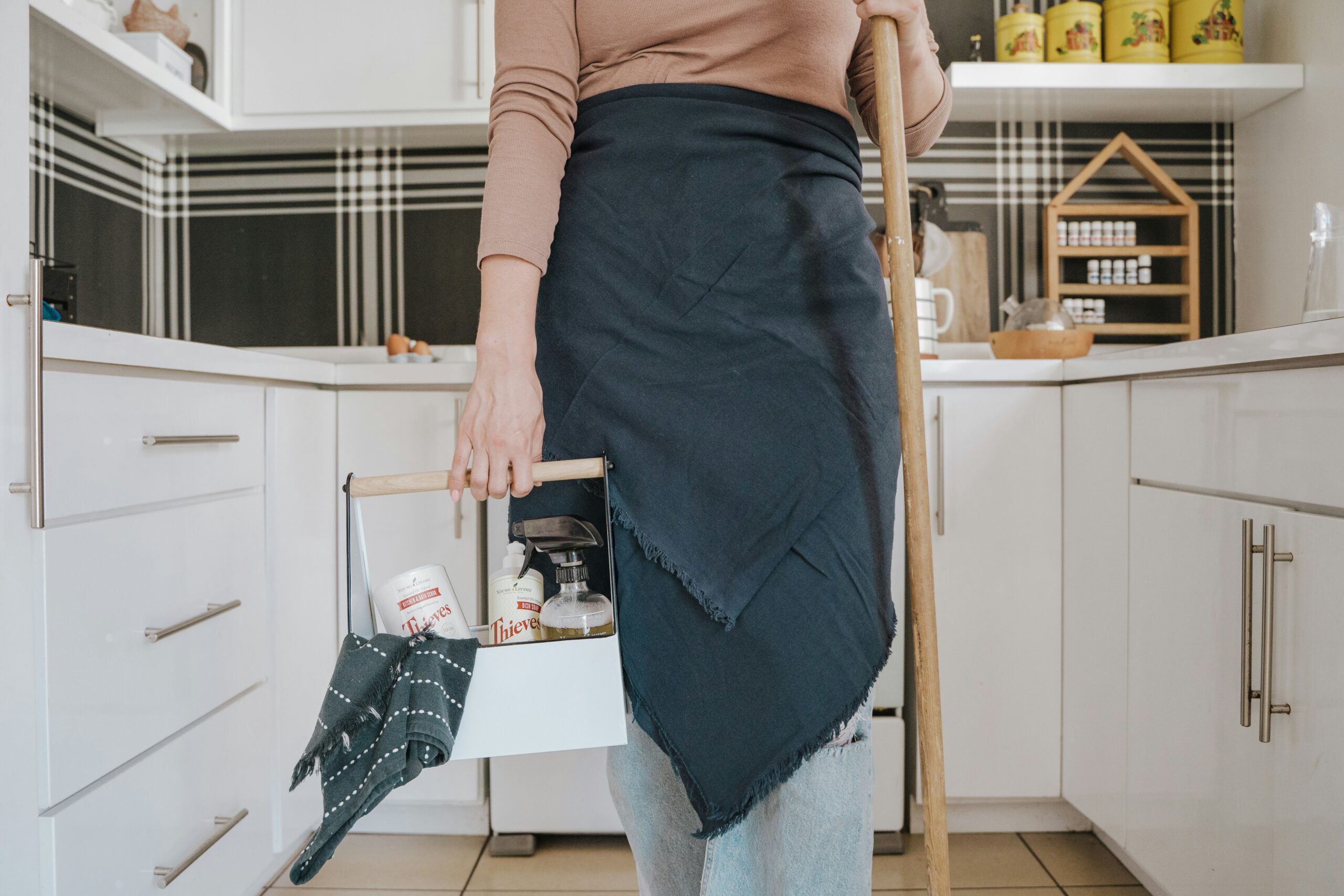
Those daily and weekly chores that keep your home looking neat can really start to feel like a workout. The secret isn’t to stop doing them, but to change how you do them. Break down big jobs into smaller, more manageable steps. Instead of dedicating a whole day to cleaning, try spending just 15-20 minutes each day on one specific area.
You could wipe down the kitchen on Monday, clean a bathroom on Tuesday, and dust a room on Wednesday. It also helps to get some lighter tools, like a cordless stick vacuum or a duster with a long handle, to make things easier on your body. And don’t forget decluttering, which is a fantastic way to simplify cleaning; a less cluttered space is just naturally easier to keep tidy.
When to Seek Professional Help
There’s absolutely nothing wrong with admitting that some jobs are just too big, too tricky, or too risky to do by yourself. Knowing when to call in reinforcements is actually a smart move for staying independent. For home repairs that involve climbing ladders or messing with electricity, hiring a trusted local handyman is always the safest bet.
Similarly, a professional cleaning service can come in a few times a year to tackle those deep-cleaning jobs. When the challenges go beyond just home maintenance and touch on daily personal activities, a senior care agency can offer the kind of help that makes living at home safer and more comfortable. This support could be anything from cooking meals to personal care, helping you stay right where you want to be.
Adapting Spaces for Comfort
Making your home work for your needs is super important for staying comfortable and safe in the long run. Many changes are pretty simple and don’t need a huge renovation. In fact, small updates can often help delay the need to move out of your home by making daily life easier and safer.
Boosting your lighting is a great place to start; try brighter bulbs and nightlights in hallways, bathrooms, and stairwells to help you see better and avoid falls. Get rid of anything that could trip you up, like throw rugs and electrical cords crossing walkways.
In the bathroom, putting in grab bars in the shower and next to the toilet gives you something steady to hold onto. You can also make the kitchen easier to use by moving things you grab often from high shelves to lower, more accessible cabinets. Making smart adjustments to prepare for staying at home means your home will support your independence.
Smart Tech for Home Management
Technology offers some amazing tools to make managing your home simpler and safer. Smart home devices can automate lots of those small but important tasks. For instance, a smart thermostat can automatically adjust your home’s temperature, saving energy and making sure you’re always comfy.
A video doorbell lets you see who’s at your door without having to get up and answer it. You can also use smart plugs to control lamps and small appliances with your voice or a simple app, which is a huge help if you have trouble moving around. These gadgets can bring both convenience and an extra layer of security.
Taking these proactive steps to manage your home environment can truly make all the difference in living comfortably and independently for many years to come.

Meg is an author at Cinnamon Hollow. She writes on a variety of topics sharing tips and ideas for daily life.