In many homes, sweating ductwork starts when warm, humid air meets a cold duct surface and condensation forms. While the problem can sometimes be minor, persistent moisture may point to insulation, humidity, airflow, or maintenance issues that deserve attention, including whether air duct cleaning is needed as part of overall HVAC care.
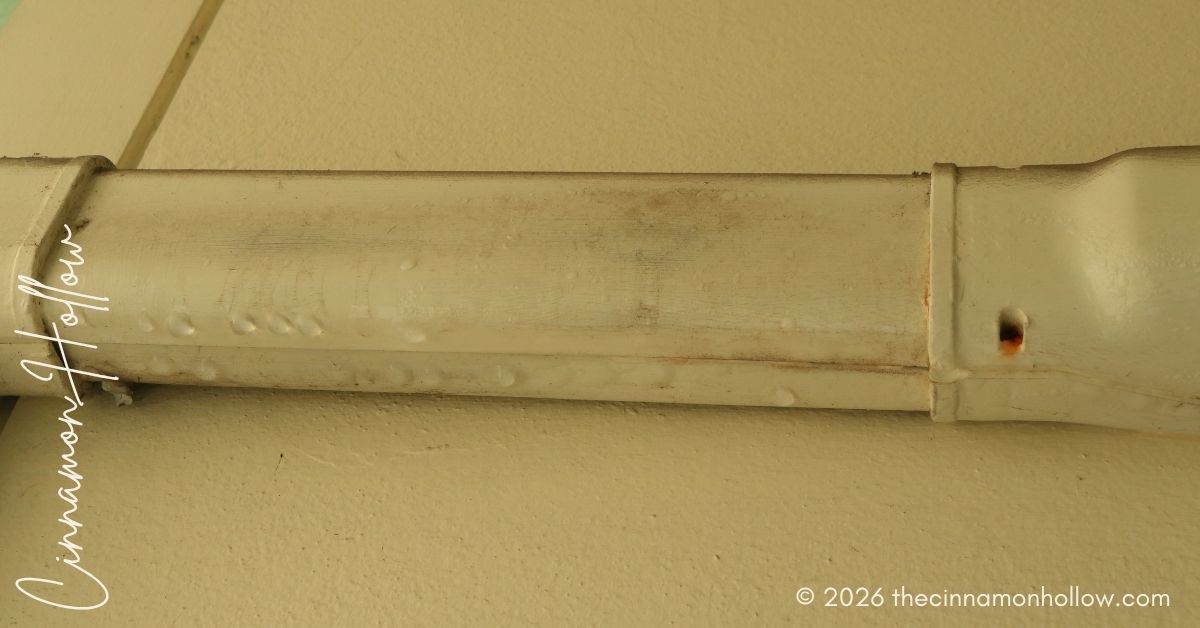
Why Is My Ductwork Sweating
Ductwork “sweats” when moisture in the surrounding air condenses on a cold duct surface. When ductwork is sweating, the surface has typically fallen below the dew point of the surrounding air. During air-conditioning operation, supply ducts can become much colder than the basement, crawl space, attic, or other area around them. If the duct surface falls below the dew point of that surrounding air, water vapor changes into liquid and collects on the duct.
This often happens while the AC is running because supply ducts may carry air in the 50s°F while the attic, crawl space, or basement around them is much warmer and more humid. This temperature difference explains much of the AC ductwork sweating seen during cooling season. The greater the difference between duct temperature and the surrounding dew point, the greater the chance of condensation.
The location of the moisture can offer useful clues when evaluating ductwork sweating. Condensation covering a long section of duct often points to high surrounding humidity or inadequate insulation. Moisture concentrated around elbows, boots, joints, hangers, or plenums can indicate a break in the insulation or vapor barrier. A single sweating branch may have its own insulation, leakage, or airflow problem.
Condensation can also form underneath duct insulation. This hidden air conditioning ductwork sweating can occur when humid air enters through a torn vapor jacket or poorly sealed seam, reaches the cold metal duct, and condenses out of sight. The insulation may eventually become saturated even when the outside looks relatively dry.
Is It Normal For Ductwork To Sweat
Occasional light condensation can occur during periods of unusually high humidity, especially around exposed metal ducts. Regular or heavy sweating deserves attention.
Ductwork should generally remain dry during normal HVAC operation.
The amount of water, pattern, and frequency matter as well. A faint film of moisture or a few droplets during an exceptionally humid day is very different from a situation where ductwork is sweating every afternoon, returns whenever the air conditioner runs, or becomes heavy enough to drip onto insulation, framing, ceilings, or floors.
Checking the surrounding humidity, duct insulation, and location of the condensation can help identify the source of AC ductwork sweating. It is useful to compare nearby duct sections. If one fitting is wet and the rest of the duct system is dry, the problem may be highly localized, such as an insulation gap. If several ducts throughout the same attic or crawl space are wet, conditions in the surrounding space may be driving the problem.
Water found near ductwork should also be traced to its source. Condensate drain leaks, plumbing leaks, roof leaks, and moisture from the air handler can sometimes resemble sweating ductwork.
Why Ductwork Sweating In Basement Is Common
Basements, crawl spaces, and attics frequently expose cold air-conditioning ducts to warm, moisture-heavy air. These spaces tend to create a large temperature and moisture difference between the air inside an AC duct and the air surrounding it. This is why ductwork sweating in basement areas is a common warm-weather moisture problem.
Crawl spaces can collect moisture from exposed soil, foundation walls, groundwater, plumbing leaks, and humid outdoor air. A cool crawl space can develop a surprisingly high relative humidity when warm, moisture-heavy outdoor air enters it. For that reason, ductwork sweating in crawl space areas can develop quickly when a cold supply duct runs through that environment.
Basements often have higher relative humidity because they are cooler, below grade, and surrounded by moisture-bearing soil. Moisture can enter through concrete and masonry, air leakage, groundwater, and everyday household activities. Damp foundations and inadequate dehumidification can further raise the dew point around the ducts, making ductwork sweating in basement spaces more likely.
Attics create a different challenge. Attic temperatures can become extremely high while outdoor humidity remains elevated, and ducts carrying conditioned air may be tens of degrees colder than the attic air. This combination can make ductwork sweating in attic spaces more likely. Long duct runs, damaged insulation jackets, poorly insulated boots, compressed flex duct, and exposed or poorly sealed connections can create cold spots where condensation forms.
These spaces can also hide the problem. A sweating duct in a finished room may be noticed quickly, while ductwork sweating in attic areas or condensation in a crawl space can continue for months before staining, mold growth, wet insulation, or structural damage becomes visible.
The dew point of the surrounding air is more useful than temperature alone. A hot attic with relatively dry air may cause no condensation, while a cooler crawl space with a high dew point can leave ducts dripping.
Causes Of AC Ductwork Sweating
These three conditions are among the most common contributors to AC duct condensation and AC ductwork sweating, and they can occur together.
High humidity raises the dew point of the air surrounding the duct. Once that dew point rises above the duct’s exterior surface temperature, condensation becomes possible and ductwork sweating can begin.
Poor duct insulation allows more of the cold duct temperature to reach the outer surface. It is a frequent reason air conditioning ductwork sweating becomes concentrated in specific locations. Insulation slows heat transfer between the cold duct and the surrounding air. Its outer vapor barrier also limits the movement of humid air toward the cold duct surface. Gaps around joints, compressed insulation, torn foil jackets, exposed sheet metal, and poorly sealed fittings can create small areas where condensation repeatedly develops.
Airflow problems can affect duct temperature and system operation. If ductwork is sweating along with weak airflow, the two conditions may be related. Restricted airflow from a dirty filter, blocked return, dirty evaporator coil, undersized or damaged ductwork, closed registers, or blower problems can lower coil temperatures and produce unusually cold supply air. Poor duct design or balancing can create unusually cold sections as well. Ice or frost near the evaporator is a stronger sign that airflow or refrigeration performance needs attention.
System sizing can influence humidity as well. An oversized air conditioner may satisfy the thermostat quickly and shut off before removing enough moisture from the indoor air. The home can reach the desired temperature while retaining a relatively high dew point, which can contribute to air conditioning ductwork sweating.
Duct leakage adds another complication. Leaking supply air can cool nearby metal surfaces, while a return leak in a hot, humid attic or crawl space can pull moisture-laden air into the HVAC system, increasing the latent load the equipment has to remove. A proper diagnosis therefore considers humidity, insulation integrity, duct sealing, airflow, and equipment performance together.
Risks Of Air Conditioning Ductwork Sweating
Persistent duct condensation and sweating ductwork can affect much more than the duct surface itself because small amounts of water accumulate over repeated cooling cycles.
When ductwork sweating becomes heavy enough to drip, water may soak ceiling materials, drywall, wood framing, attic insulation, or crawl-space insulation. Repeated wetting can leave stains, soften building materials, damage finishes, and reduce the effectiveness of insulation. In crawl spaces and basements, condensation can wet wood framing, subfloors, joists, stored materials, and surrounding insulation.
Moist conditions can also support mold and mildew growth on nearby dust, wood, paper-faced drywall, insulation, or other organic materials. Prolonged moisture exposure can contribute to wood deterioration and corrosion of metal components. Fasteners, hangers, seams, boots, and sections of unprotected sheet metal can gradually rust.
Wet duct insulation creates an additional problem. Insulation performs poorly when saturated, allowing the duct surface to become even colder and potentially increasing condensation. Moisture trapped inside insulated ductwork can also remain hidden for long periods. The result can become a recurring moisture cycle until the wet insulation and underlying cause are addressed.
Once insulation becomes saturated, it may continue dripping after conditions around the duct have changed, making diagnosis more difficult.
Water near electrical equipment, air handlers, ceiling fixtures, or other building systems also warrants prompt attention.
How To Stop Ductwork From Sweating
Start by drying the affected area and determining why the duct surface is reaching the dew point. Simply wiping away the water will not prevent it from returning. Dry a section of duct, operate the air conditioner, and observe whether condensation returns on the metal surface, the insulation jacket, a fitting, or somewhere above the duct.
Measure the temperature and humidity of the surrounding space if possible. A basic hygrometer can provide enough information to estimate whether the local dew point is unusually high. Persistent crawl-space or basement humidity frequently requires moisture control in addition to duct repairs, especially with ductwork sweating in basement areas or ductwork sweating in crawl space areas. Plumbing leaks, groundwater, open crawl-space soil, foundation moisture, and humid outdoor-air infiltration can keep the dew point high enough for condensation to continue.
Inspect the entire insulation layer, including elbows, takeoffs, boots, transitions, plenums, and connections. Look for exposed metal, thin insulation, crushed or compressed sections, and open seams. Small exposed areas can sweat heavily, and compressed insulation can lose a meaningful portion of its effective R-value.
Check the outer vapor jacket carefully. Tears, loose seams, punctures, and poorly sealed ends can allow humid air to reach the cold duct beneath the insulation. Repairs should restore a continuous vapor-resistant exterior around the insulated section.
Duct joints that leak conditioned air should be properly sealed with materials intended for HVAC systems, such as approved duct mastic or appropriate foil HVAC tape.
If the ducts are well insulated and the surrounding humidity is reasonable, the HVAC system should be checked for airflow and temperature problems. Filters, coils, returns, supply registers, blower operation, and duct restrictions should be evaluated if airflow appears weak or supply temperatures seem unusually cold. Restricted return air, a dirty evaporator coil, blower issues, improperly balanced ductwork, or refrigeration problems can all alter supply-air temperatures.
Insulation that has become heavily saturated, compressed, deteriorated, or contaminated may need replacement after the moisture source has been corrected.
The long-term solution should keep the outside surface of the duct warmer than the surrounding air’s dew point while also controlling the amount of moisture in that air.
How To Keep Ductwork From Sweating
Prevention centers on controlling both surface temperature and moisture levels. A useful prevention goal is straightforward: keep humid air away from cold duct surfaces and keep the surrounding dew point low enough that condensation cannot form.
Ductwork located outside the conditioned living space should have adequate insulation for the climate and installation location. This is especially important where ductwork sweating in attic locations has occurred before. The insulation needs to cover the complete duct system, including transitions, fittings, boots, plenums, and other areas where exposed metal can create a cold spot. The exterior vapor barrier should remain sealed around seams, penetrations, supports, and transitions.
Control moisture at its source. Crawl spaces may require ground vapor barriers, drainage improvements, air sealing, encapsulation, or dedicated dehumidification, particularly where ductwork sweating in crawl space locations is recurring. Basements may need foundation moisture management, drainage corrections, dehumidification, or repairs to water-entry points.
In crawl spaces, simply introducing more outdoor air is not always useful. During hot, humid weather, outdoor ventilation can bring additional moisture into a cool crawl space and raise its dew point. Ventilation should be based on actual moisture conditions and should account for the local climate and the way the crawl space is constructed.
Air leaks between the outdoors and the area around the ductwork can also raise the moisture load. Gaps around plumbing penetrations, wiring, attic hatches, rim joists, and other openings may continually introduce humid air.
Keeping HVAC equipment maintained also helps. Clean filters and coils, adequate return airflow, properly balanced ducts, sealed connections, and appropriate refrigerant and blower operation allow the system to operate within its intended temperature range.
Monitoring dew point can be especially useful in spaces with recurring condensation. Relative humidity changes with temperature, while dew point gives a clearer indication of how much moisture is actually present in the air.
When Ductwork Sweating Is Serious
Professional inspection is appropriate when condensation is persistent, widespread, or causing visible water damage. It is especially worthwhile when the source is not obvious from a missing piece of insulation or a temporary spike in humidity.
Schedule an HVAC inspection when you notice water dripping from ducts or pooling below them, recurring condensation whenever the AC operates, wet, sagging, or deteriorated duct insulation, mold or musty odors near the duct system, ceiling or wall stains beneath attic ductwork, rust or corrosion on metal ducts or HVAC components, weak airflow from registers, frost or ice near the air handler or evaporator coil, large temperature differences between rooms, condensation returning soon after insulation repairs, or significant sweating around the air handler, plenum, or multiple duct runs.
Water damage raises the urgency. Early inspection is especially valuable when condensation is reaching wood framing, drywall, insulation, electrical components, or other materials that can be damaged by repeated moisture exposure.
A useful HVAC diagnosis may include measurements of return-air temperature and humidity, supply-air temperature, temperature change across the evaporator, system airflow, static pressure, duct leakage, and conditions around the sweating duct. Surface temperature can then be compared with the local dew point to confirm why condensation is occurring.
A professional evaluation is especially valuable when one duct sweats while nearby ducts remain dry, condensation develops inside the insulation, previous insulation repairs have failed, or the moisture source cannot be clearly identified. These patterns often require closer inspection of individual duct runs, system airflow, and the building conditions surrounding them. In particularly damp basements or crawl spaces, moisture-control or building-envelope issues may also need to be evaluated.