Starting a new fitness plan can feel like a mix of excitement and a little bit of “whoa, where do I even begin?” You’re probably pumped to get stronger, boost your energy, and just feel better in your own skin. But with so much info out there, it’s easy to get totally swamped by complicated routines and advice that seems to contradict itself. The real win isn’t just getting stronger for a few weeks; it’s about building habits that give you lasting energy and health for the long haul.
Creating a fitness plan that actually works for *you* means focusing on smart, effective strategies that genuinely fit into your everyday life. It’s all about making progress, not chasing perfection. From nailing the basics to understanding how to fuel your body, every step you take adds a brick to the foundation of a healthier, more energetic you. So, let’s dive into how you can build strength safely and create a routine you’ll actually want to stick with.
Start with Your Why: Setting Realistic Fitness Goals
Before you even think about lifting a weight or planning a workout, take a quick moment to ask yourself one simple question: “Why am I doing this?” Your motivation is the secret sauce that’ll keep you going, especially on those days when the couch looks way more inviting than the gym. Do you want more energy to play with your kids? Are you hoping to feel more confident and capable in your daily life? Or maybe you have a specific goal, like running a 5k or feeling your absolute best for a special event.
Whatever your reason, make it personal and truly meaningful. Vague goals like “get in shape” are tough to stick with because they don’t have a clear finish line. Instead, try setting SMART goals: Specific, Measurable, Achievable, Relevant, and Time-bound.
For example, instead of saying “I want to be stronger,” a SMART goal might be “I want to be able to do 10 push-ups in a row within 8 weeks.” This gives you a clear target and a timeline. It’s totally doable and connects back to your bigger goal of building strength. Start small and make sure to celebrate those little wins along the way. Hitting these smaller milestones builds momentum and makes the whole process feel much more manageable and rewarding.
The Foundation of Strength: Mastering Compound Movements
When it comes to building functional strength efficiently, not all exercises are created equal. Compound movements are the absolute rockstars of the gym. These exercises engage multiple muscle groups across multiple joints at the same time. Think squats, deadlifts, overhead presses, and rows. Because they engage so much of your body at once, they really give you the most bang for your buck in terms of time and effort.
Learning How to Build Muscle Strength starts with getting your form just right. Before you even think about adding heavy weight, focus on mastering the movement itself. You can even start with just your body weight. Watch some tutorials, maybe consider a session with a personal trainer, or even record yourself to check your form. A proper squat, for instance, doesn’t just build leg and glute strength; it also fires up your core and boosts your balance and mobility.
Adding these foundational lifts to your routine 2-3 times a week is a fantastic way to build a super strong base. As you get more comfortable, you can slowly increase the weight or the number of repetitions. This idea, called progressive overload, keeps challenging your muscles and encourages them to grow even stronger.
Beyond the Basics: Pushing Past Your Limits
Sooner or later, everyone hits a plateau. It’s that super frustrating point where you stop seeing progress, even though you’re putting in all the work. Your lifts stall, your endurance feels stuck, and your motivation can really take a hit. This is a normal part of any fitness journey, and it’s a sign your body has gotten used to your current routine. The trick is to have strategies ready to push past it safely and effectively.
One of the best ways to do this is to mix things up in your workouts. This could mean trying different exercises, changing your rep ranges, or even shortening your rest periods. If you always do barbell squats, try front squats or goblet squats instead. If you usually lift in the 8-12 rep range, try a phase of heavier lifting with 4-6 reps. This new challenge forces your muscles to adapt differently.
For those with really specific and advanced goals, like getting ready for a physique competition or reaching an elite level of performance, research often goes into every possible avenue. This might include highly detailed diet cycles, advanced supplement plans, and exploring every option for performance enhancement. When looking for an edge, some people might even search for information on Steroids Online to understand the full range of tools available. This path requires thorough research and a clear understanding of the risks and benefits, often with professional guidance. For most people, though, breaking a plateau usually comes down to fine-tuning training, nutrition, and recovery.
Fueling Your Body for Performance and Recovery
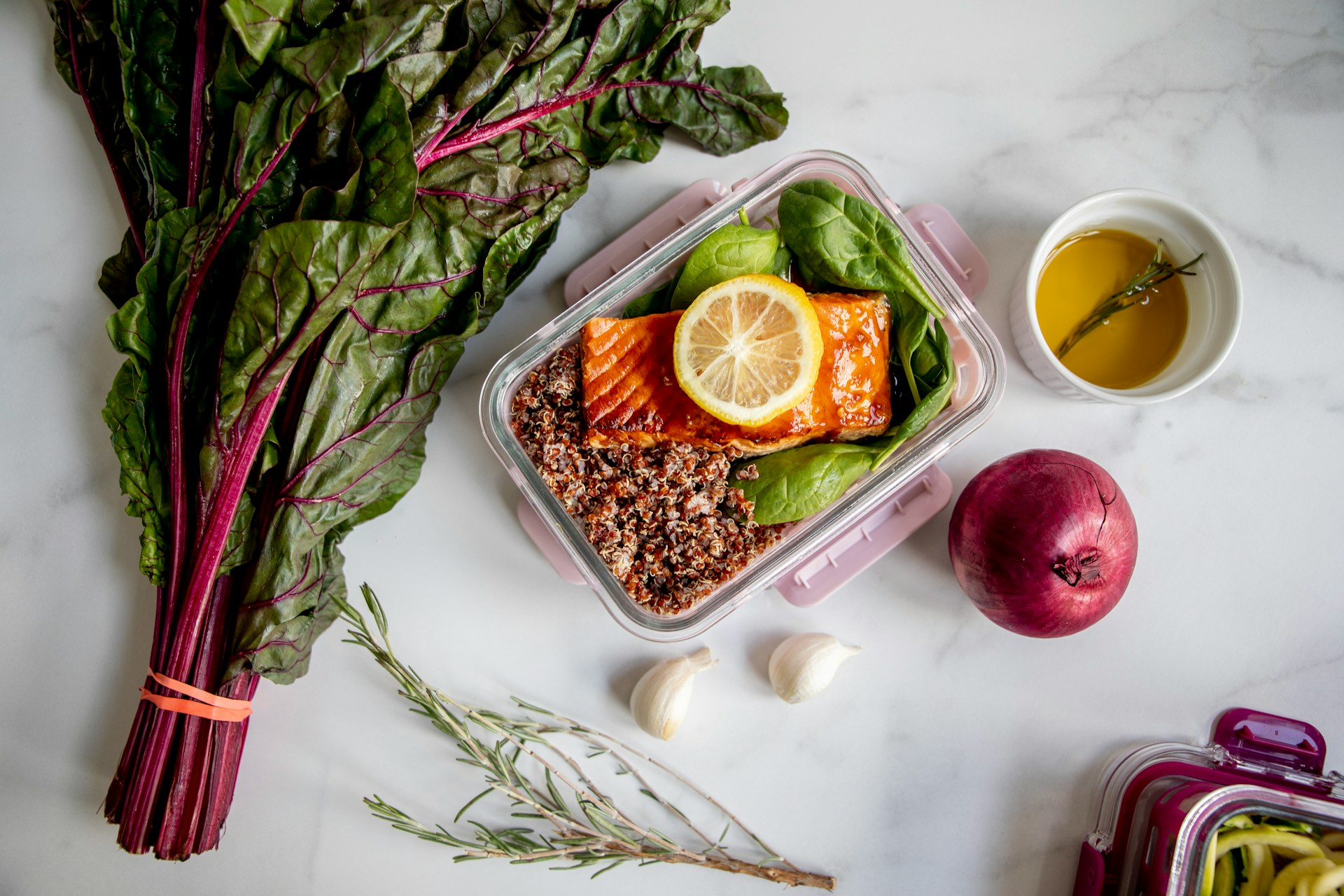
You could have the most perfectly designed workout plan in the world, but if your nutrition isn’t on point, you’re definitely leaving results on the table. Food fuels your workouts and provides the raw materials your body uses to repair and build muscle. Thinking about nutrition as a key part of your fitness plan is essential for both gaining strength and having consistent energy.
First, let’s chat about protein. It’s the building block for muscle tissue. When you lift weights, you create tiny micro-tears in your muscles. Protein provides the amino acids needed to fix these tears, making the muscle stronger than before. Try to include a source of lean protein, like chicken, fish, beans, tofu, or Greek yogurt, with each meal.
Carbohydrates are your body’s main energy source. They give your muscles the glucose they need to perform during a workout. Don’t fall for the myth that carbs are “bad.” Complex carbs like oats, brown rice, and sweet potatoes offer a slow, steady release of energy. Finally, don’t forget healthy fats, found in foods like avocados, nuts, and olive oil. They’re essential for hormone production and overall health. And of course, staying hydrated is crucial. Water helps move nutrients around, regulates your body temperature, and lubricates your joints.
Building a Fitness Habit That Actually Sticks
The real secret to long-term fitness success isn’t finding a “perfect” routine; it’s finding a good-enough routine that you can actually stick with. Life gets busy, motivation comes and goes, and some days you just won’t feel like it. That’s where the magic of habit comes in. A habit is something you do on autopilot, without needing to rely on sheer willpower.
To build a sustainable fitness routine, make it as easy as possible to get started. Lay out your gym clothes the night before. Schedule your workouts in your calendar just like any other important appointment. Find a way to move your body that you genuinely enjoy. If you hate running, please don’t force yourself to run. Maybe you’d prefer dancing, hiking, rock climbing, or playing team sports.
Another powerful trick is to start ridiculously small. If a one-hour workout feels overwhelming, commit to 10 minutes. More often than not, once you get started, you’ll find the motivation to keep going. The main goal is just to show up. Consistency, even in small doses, is far more effective than sporadic, super-intense workouts. Over time, these small, consistent efforts really add up to big results.
Why Strength Training is for Every Body
One of the most persistent myths in fitness is that strength training is only for bodybuilders or people who want to get “huge.” But if you want to start your fitness journey, this couldn’t be further from the truth. Strength training offers a massive range of benefits for everyone, no matter their age, gender, or fitness level. In fact, it’s one of the best things you can do for your long-term health and quality of life.
For women, there’s often a fear that lifting weights will lead to a “bulky” physique. However, because of hormonal differences, it’s really tough for most women to build huge amounts of muscle mass without extremely specific and intense training and diet plans. Instead, strength training for women can lead to a lean, toned look while also boosting bone density, which is super important for preventing osteoporosis later in life.
Strength training also revs up your metabolism. Muscle is more metabolically active than fat, meaning it burns more calories even when you’re just resting. It improves your insulin sensitivity, which lowers your risk of type 2 diabetes. It enhances your balance, coordination, and mobility, making everyday tasks easier and reducing your risk of injury. It’s not just about building bigger muscles; it’s about building a more resilient, capable, and energetic body all around.
Building strength is a really rewarding process that pays off in every part of your life. By focusing on smart goals, solid fundamentals, and consistent effort, you can create a plan that gives you lasting energy and vitality.
The owners and authors of Cinnamon Hollow are not doctors and this is in no way intended to be used as medical advice. We cannot be held responsible for your results. As with any product, service or supplement, use at your own risk. Always do your own research and consult with your personal physician before using.

Meg is an author at Cinnamon Hollow. She writes on a variety of topics sharing tips and ideas for daily life.