Some games are remembered by their sound. Solitaire is remembered by its rhythm: shuffle, deal, pause, move, and begin again. For many families, it was first seen at a kitchen table beside a cup of coffee, then rediscovered years later on a home computer. That continuity is part of its charm. Anyone who wants to return to that familiar rhythm without searching for a deck can open PlaySolitaire and start a fresh game in a browser. The table has changed, but the small ritual still feels remarkably familiar.
A Game Learned by Watching
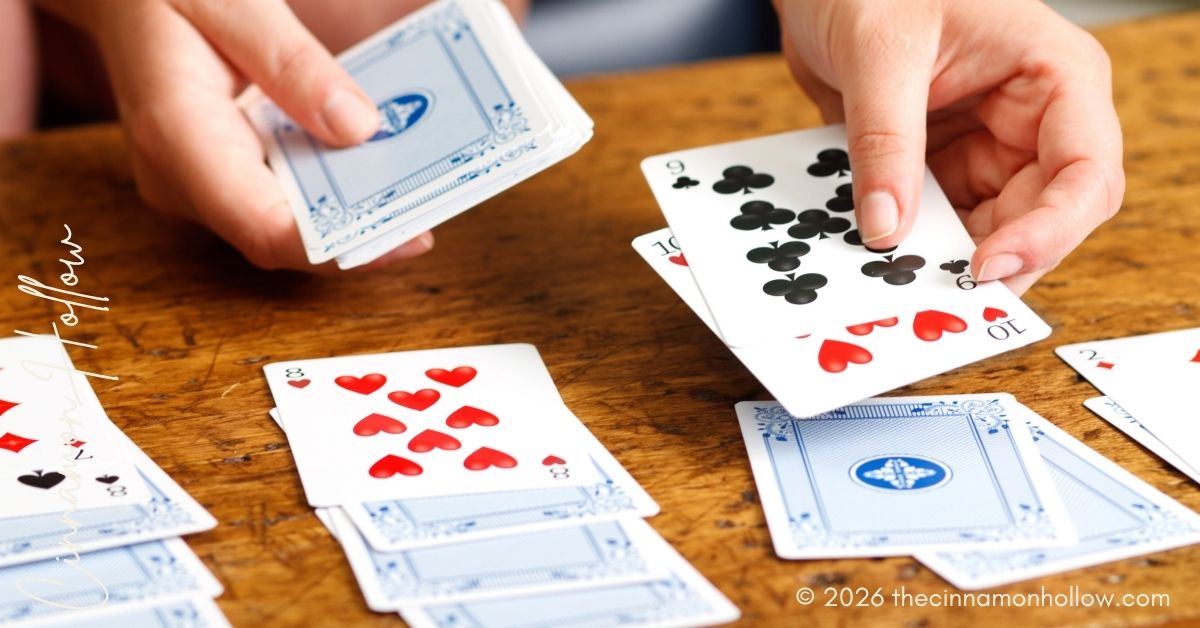
Solitaire rarely needs a formal introduction. Many people learn it by sitting near a parent, grandparent, or older sibling and watching the cards move from one pile to another. The rules arrive gradually. First comes the difference between red and black. Then the descending sequences begin to make sense. Eventually, the quiet observer becomes the person dealing the next hand.
That way of learning gives the game a personal history. A deck of cards may be ordinary, but the memory attached to it is not. It can bring back rainy afternoons, family visits, slow mornings, or a place at the table that belonged to someone special. The Cinnamon Hollow has shared a similar family memory in its own story about a grandmother who loved sitting at the kitchen table and playing solitaire. It is a simple detail, yet it explains why the game can feel like more than a pastime.
The Rules Stay While the Table Changes
The physical version of solitaire has a comforting setup. Cards must be shuffled, dealt, arranged, and collected when the game ends. Digital versions remove that preparation, but they preserve the decisions that give the game its identity. Players still reveal hidden cards, build foundations, and decide whether an available move is useful now or better saved for later.
This balance between consistency and convenience helped solitaire move naturally from the table to the screen. It did not have to become louder or more complicated to feel modern. The core experience was already strong enough. A browser simply makes it easier to begin when there is no deck nearby or no room to spread out the cards.
How Solitaire Became Part of Computer Life
Solitaire also has an unusual place in the history of home computing. The Strong National Museum of Play notes that Microsoft Solitaire appeared with Windows 3.0 and helped people become comfortable using a mouse. Moving cards across the screen made unfamiliar computer actions feel intuitive. Xbox Wire has also looked back at how the game connected a centuries old card tradition with a new generation of computer users.
For many households, this meant the digital version became a shared reference point. Someone who had learned with real cards could recognize the layout immediately, while a younger family member could discover the same rules through a computer. The screen did not erase the tradition. It gave the tradition another place to live.
Why Familiar Rituals Survive New Technology
Technology changes quickly, but people often return to activities that offer a clear beginning, middle, and end. Solitaire asks for attention without demanding an audience. A single game can fit into a quiet moment before dinner, after the children are asleep, or while waiting for a task to finish. There is no need to coordinate schedules or learn a long set of new systems.
Its pace is also personal. One player may move quickly and trust instinct. Another may study every possible sequence before touching a card. Both approaches belong to the same game. That flexibility makes solitaire easy to carry from one stage of life to another.
A Modern Version of the Same Quiet Tradition
Playing in a browser keeps the familiar structure while removing the small obstacles that can stop a game before it begins. There is nothing to install, no missing card to find, and no table to clear. The experience can still be deliberate. The player chooses when to start, how carefully to think, and when the final move is enough for the day.
That matters because convenience does not have to mean distraction. The best digital version of a familiar game should make the game easier to reach without burying it under unnecessary noise. In that sense, modern solitaire is less a replacement for the old ritual than a continuation of it.
The Next Hand Is Still Ours
Every generation finds its own table. For one person, it may be a worn deck beside the kitchen window. For another, it may be a laptop during a quiet evening. The setting changes, but the appeal remains: a shuffled problem, a handful of choices, and the possibility that this deal will come together.
Solitaire survives because it is both personal and easy to share. We inherit the rules, add our own memories, and pass the game forward in whatever form feels natural. Sometimes tradition is not a grand ceremony. Sometimes it is simply knowing where the next card belongs.

Hi, I’m Crystal – a Kentucky-based Aromatherapist, wife, mom and the voice behind The Cinnamon Hollow. I share cozy, real-life inspiration for healthier routines, simple home living, essential oil use and safety, beauty, pets, and family adventures. From everyday tips to travel guides, my goal is to help you create a warmer life and embrace each day as its own little adventure. Always remember to live life, one adventure at a time! read more