

Ask any New Yorker about the pace of life in the city, and you will hear the same thing: there is always somewhere to be and very little time to slow down. That rush leaves little room for noticing how tired your eyes look. Heavy lids, puffy under eyes, and a worn out expression tend to sneak up on women here, and many just learn to live with them.
Often, it is not the concern itself that stops women from asking about eyelid surgery. It is the myths they have picked up along the way. Stories about unnatural results, painful recovery, and visible scars spread quickly, and they create fear that has little to do with how modern procedures actually work.
In this article, we break down five of the most common eyelid surgery myths, from whether it is only cosmetic to whether it is just for older women. We also cover recovery, scarring, and what to know before booking a consultation, so you can separate fact from fiction.
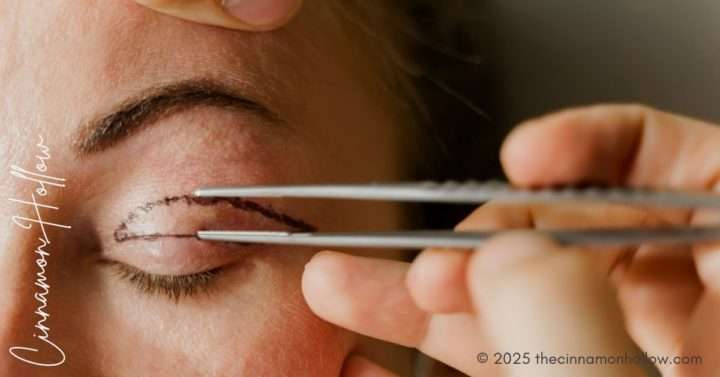
Myth 1: Eyelid Surgery Is Only Cosmetic
Eyelid surgery, also called blepharoplasty, can certainly refresh a tired look, but that is only part of the story. When the upper lids sag far enough, the extra skin can hang over the lash line and narrow your field of vision. Some women notice it while driving or reading, and others find themselves lifting their brows all day to compensate. Whether the goal is appearance, function, or both, the procedure can address it.
Signs that excess lid skin may be doing more than changing how you look include:
• A heavy feeling in the upper lids, especially by the end of the day
• Brow muscles that ache from constantly lifting the eyelids
• Skin that rests on or covers part of the lashes
• Peripheral vision that feels partly blocked
You are also far from alone in considering it. According to the International Society of Aesthetic Plastic Surgery’s 2024 Global Survey, eyelid surgery became the most common surgical procedure worldwide for the first time, with more than 2.1 million procedures and a 13.4 percent increase over the previous year.
Myth 2: It Always Looks Unnatural
The wide-eyed, pulled look most people picture usually comes from outdated, overly aggressive techniques. Today the goal is typically restraint: remove only what is needed, preserve the natural shape of the eye, and keep the result in harmony with the rest of the face. Done well, friends should say you look rested rather than asking what you have done.
Experience matters a great deal here, because the eyelids are delicate and a difference of a single millimeter can change the outcome. Ask to see before and after photos, and trust a consultation that feels like a conversation rather than a sales pitch.
Myth 3: It’s Only for Older Women
Age plays a role, but it is not the whole picture. Genetics decide a lot, since some women inherit heavy lids or under eye bags in their twenties and thirties, while others stay smooth well into their sixties. Anatomy, sun exposure, and even sleep habits all influence how the area changes over time. Candidacy comes down to the structure of your eyelids and your goals, not the number on your birth certificate.
If you are curious what a proper evaluation looks like, searching for eyelid surgery in NYC will turn up plenty of options. It helps to look for a practice that focuses on the eyelids, and the team at Cosmetic Eye Surgery is one example, since their care is led by a board-certified ophthalmologist. That is a reassuring detail for a procedure so close to the eye. Whoever you choose, look for someone who explains things plainly and answers your questions without rushing you.
Myth 4: Recovery Is Extremely Difficult
Recovery is real, but it is rarely as dramatic as people fear. Expect some swelling, mild bruising, and a tight or scratchy feeling around the eyes for the first several days, usually manageable with cold compresses, rest, and the instructions your surgeon gives you. Many women return to light routines within a week or two, though timing varies from person to person depending on the technique used and how the body heals. Final results continue to settle over the following weeks, so patience helps.
Myth 5: It Leaves Obvious Scars
Incisions are placed where they are easiest to hide. For the upper lids, that is usually the natural crease, and for the lower lids it is often just beneath the lashes or on the inside of the lid, which leaves no visible mark at all. As the area heals, these fine lines generally fade and become much less noticeable. Healing does vary, and sun protection and good aftercare make a real difference, but obvious scarring is not the typical outcome.
What Women Should Know Before Eyelid Surgery
A good consultation should leave you better informed, not pressured. Expect an honest conversation about candidacy, benefits, risks, and what results are realistic for your face. A few questions worth bringing along:
• Am I a good candidate, and would upper lids, lower lids, or both make sense for me?
• What risks apply to my situation specifically?
• What will recovery look like, and when can I return to work?
• Can I see results from patients who started where I am?
Leave understanding both the benefits and the limits. Eyelid surgery can open and refresh the eyes, but it will not change who you are, and a good surgeon will tell you so.
Final Thoughts
Eyelid concerns are common, treatable, and nothing to be embarrassed about. Most of the fears that keep women from asking questions come from outdated stories rather than today’s reality. Swap those myths for accurate information and a conversation with a qualified professional, and you can decide with confidence whether surgery makes sense for you.
The owners and authors of Cinnamon Hollow are not doctors and this is in no way intended to be used as medical advice. We cannot be held responsible for your results. As with any product, service or supplement, use at your own risk. Always do your own research and consult with your personal physician before using.

Meg is an author at Cinnamon Hollow. She writes on a variety of topics sharing tips and ideas for daily life.