Applying lashes at home has become a regular part of many beauty routines. The convenience, flexibility, and potential cost savings make DIY lash applications appealing for people who want salon-inspired results without scheduling appointments. Yet one complaint appears again and again: the lashes look great at first, but they do not seem to last nearly as long as expected.
In many cases, the issue is not the lashes themselves. Longevity is often influenced by preparation, application technique, environmental factors, and daily habits. Small mistakes that seem insignificant during application can dramatically reduce retention over the following days. Understanding these factors can help explain why some lash sets last for weeks while others begin lifting much sooner.

The Natural Lash Line Is Not Properly Prepared
One of the most common causes of poor retention is inadequate preparation before application.
Natural lashes collect oil, skincare residue, makeup particles, and environmental debris throughout the day. If these substances remain on the lashes, they can interfere with adhesion and weaken the bond from the very beginning.
Proper cleansing is often overlooked because the lash line may appear clean even when residue remains. A surface that looks clean is not always free from oils. Taking extra time to prepare the lash line properly can create a stronger foundation and improve overall wear time.
Many retention problems begin before the lashes are even applied.
The Wrong Products Are Used Together
Not every lash system is designed to work the same way. Different products have different formulations, application methods, and performance characteristics.
People troubleshooting retention issues frequently examine factors such as adhesive selection and application techniques. Understanding the differences between products such as lash bond vs glue can help explain why certain lash systems behave differently after application. Products designed for specific methods often perform best when used according to their intended purpose rather than being mixed with unrelated systems.
When products are used correctly and as part of a compatible routine, retention tends to become more predictable.
Application Technique Matters More Than Most People Realize
Many people focus heavily on product selection while underestimating the importance of technique.
Placement, spacing, adhesive amount, and attachment angle can all influence durability. Applying too much product may create clumping or weak bonding points, while applying too little may reduce hold strength. Positioning lashes incorrectly can also create unnecessary stress that causes premature lifting.
The difference between a set that lasts a few days and one that lasts significantly longer often comes down to a series of small technique adjustments rather than a completely different product. This is why practice usually produces noticeable improvements over time.
Skincare Products Can Affect Retention
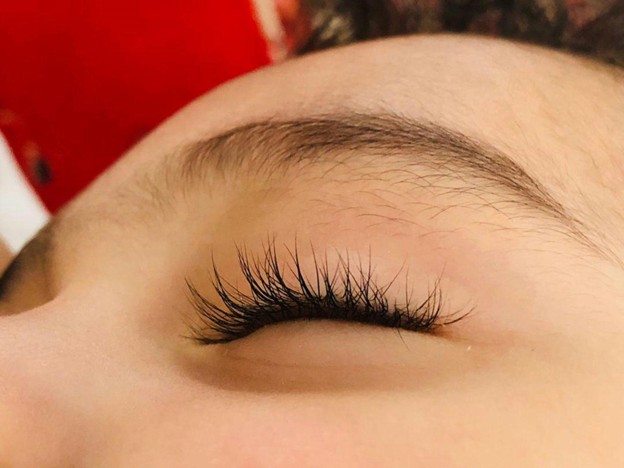
Modern skincare routines often contain ingredients that are beneficial for the skin but challenging for lash retention.
Heavy moisturizers, facial oils, cleansing balms, and certain makeup removers can gradually weaken lash bonds. Even indirect contact can sometimes affect adhesion if oils migrate toward the eye area throughout the day.
This does not mean skincare should be avoided. Instead, it highlights the importance of understanding how products interact with one another. Small adjustments around the eye area can sometimes extend retention significantly without requiring any changes to the lash application itself.
People are often surprised to discover that a favorite skincare product may be contributing to the problem.
Everyday Habits Create Wear and Tear
Lashes experience more daily stress than many people realize.
Rubbing the eyes, sleeping face-down, excessive touching, frequent exposure to steam, and aggressive makeup removal can all shorten the lifespan of a lash set. Because these habits become routine, many people do not immediately connect them to retention issues.
Even sleeping position can influence longevity. Constant friction against pillows may gradually loosen lashes over time. Likewise, exposure to heat and humidity can affect some bonding systems more than expected.
Improving retention sometimes involves changing daily habits rather than changing products.
Expectations Are Sometimes Unrealistic
Social media has made it easier than ever to see impressive beauty results, but it has also created unrealistic expectations about durability.
Every person has different natural lashes, skin characteristics, routines, and environmental conditions. Factors such as oil production, climate, activity level, and aftercare all influence retention. What works perfectly for one person may produce different results for someone else.
Rather than comparing results to idealized examples online, it is often more helpful to focus on gradual improvements. Better preparation, stronger technique, compatible products, and consistent aftercare can collectively make a noticeable difference.
Better Retention Usually Comes From Small Improvements
When at-home lashes fail prematurely, there is rarely a single dramatic reason. More often, retention issues develop from several small factors working together. Preparation, product compatibility, technique, skincare habits, and everyday routines all influence how long lashes remain secure. The encouraging news is that most of these factors can be improved. By refining the overall process instead of searching for a single quick fix, many people find that their lash sets become more reliable and longer-lasting. The goal is not perfection but consistency, and that consistency usually comes from mastering the small details that influence retention every day.
Check out our Beauty videos below!


Hi, I’m Crystal – a Kentucky-based Aromatherapist, wife, mom and the voice behind The Cinnamon Hollow. I share cozy, real-life inspiration for healthier routines, simple home living, essential oil use and safety, beauty, pets, and family adventures. From everyday tips to travel guides, my goal is to help you create a warmer life and embrace each day as its own little adventure. Always remember to live life, one adventure at a time! read more