
Milan may be known as Italy’s fashion and business capital, but there is much more to the city than designer stores and busy streets. Behind its polished exterior, you will find peaceful courtyards, historic churches, creative neighborhoods, traditional cafés, and some of northern Italy’s most memorable food.
Transportation is one of the first things worth organizing, especially when arriving with luggage, children, or after a long flight. Travelers who prefer to arrange a ride in advance can review transfer options at https://taxi-moments.com/italy/milan before beginning their Milan travel itinerary.
This three-day guide is designed for first-time visitors who want to see Milan’s highlights without turning their vacation into a race. It combines famous attractions with slower experiences, good food, neighborhood walks, and enough flexibility to enjoy unexpected discoveries along the way.
How Many Days Do You Need in Milan?
Three days is a comfortable amount of time for a first visit. It allows you to explore the historic center, see major landmarks, visit a museum or gallery, and spend time in neighborhoods beyond the Duomo.
A shorter visit is possible, but trying to fit everything into one day can leave you feeling as though you have only seen Milan through a camera screen.
“The best Milan itinerary is not the one that includes the most attractions. It is the one that leaves enough time to notice the city.”
Visitors planning a longer Italian vacation can also use Milan as a starting point for trips to Lake Como, Bergamo, Verona, or other destinations in northern Italy.
Milan Itinerary at a Glance
| Day | Main Area | Suggested Highlights | Pace |
|---|---|---|---|
| Day 1 | Historic Center | Duomo, Galleria Vittorio Emanuele II, Brera | Moderate |
| Day 2 | Culture and Local Life | Santa Maria delle Grazie area, Sforza Castle, Navigli | Relaxed |
| Day 3 | Modern Milan | Porta Nuova, Isola, shopping or museums | Flexible |
The schedule can be rearranged depending on the weather, opening times, and your personal interests.
Day 1: Discover Milan’s Historic Center
Start at the Duomo

Begin your first morning at Milan Cathedral, commonly called the Duomo. Its elaborate exterior is impressive from the square, but the rooftop is often the most memorable part of the visit.
From above, you can see the cathedral’s stone details at close range while enjoying views across the city. On clear days, the mountains may be visible in the distance.
Try to arrive earlier in the morning, when the square is usually calmer. Booking timed admission in advance can also make the experience more predictable, particularly during weekends and popular travel periods.
Walk Through Galleria Vittorio Emanuele II

Next to the cathedral is Galleria Vittorio Emanuele II, a covered shopping arcade known for its glass ceiling, mosaics, cafés, and luxury storefronts.
You do not need to buy anything to enjoy it. Walk through slowly, look up at the architecture, and notice how the arcade connects Piazza del Duomo with the area around La Scala.
This is also a convenient place to stop for coffee. Keep in mind that sitting at a table in a famous central location may cost more than drinking coffee at the counter.
Enjoy Lunch Away From the Main Square
Restaurants directly beside major attractions are convenient, but walking just a few streets away often leads to quieter dining rooms and more varied menus.
For a simple Milanese lunch, look for dishes such as:
- Risotto alla Milanese
- Cotoletta alla Milanese
- Fresh pasta
- Seasonal vegetable dishes
- Panini or focaccia
- Gelato from a small specialty shop
Checking the menu before sitting down is an easy way to avoid surprises and make sure there are suitable options for everyone in your group.
Spend the Afternoon in Brera
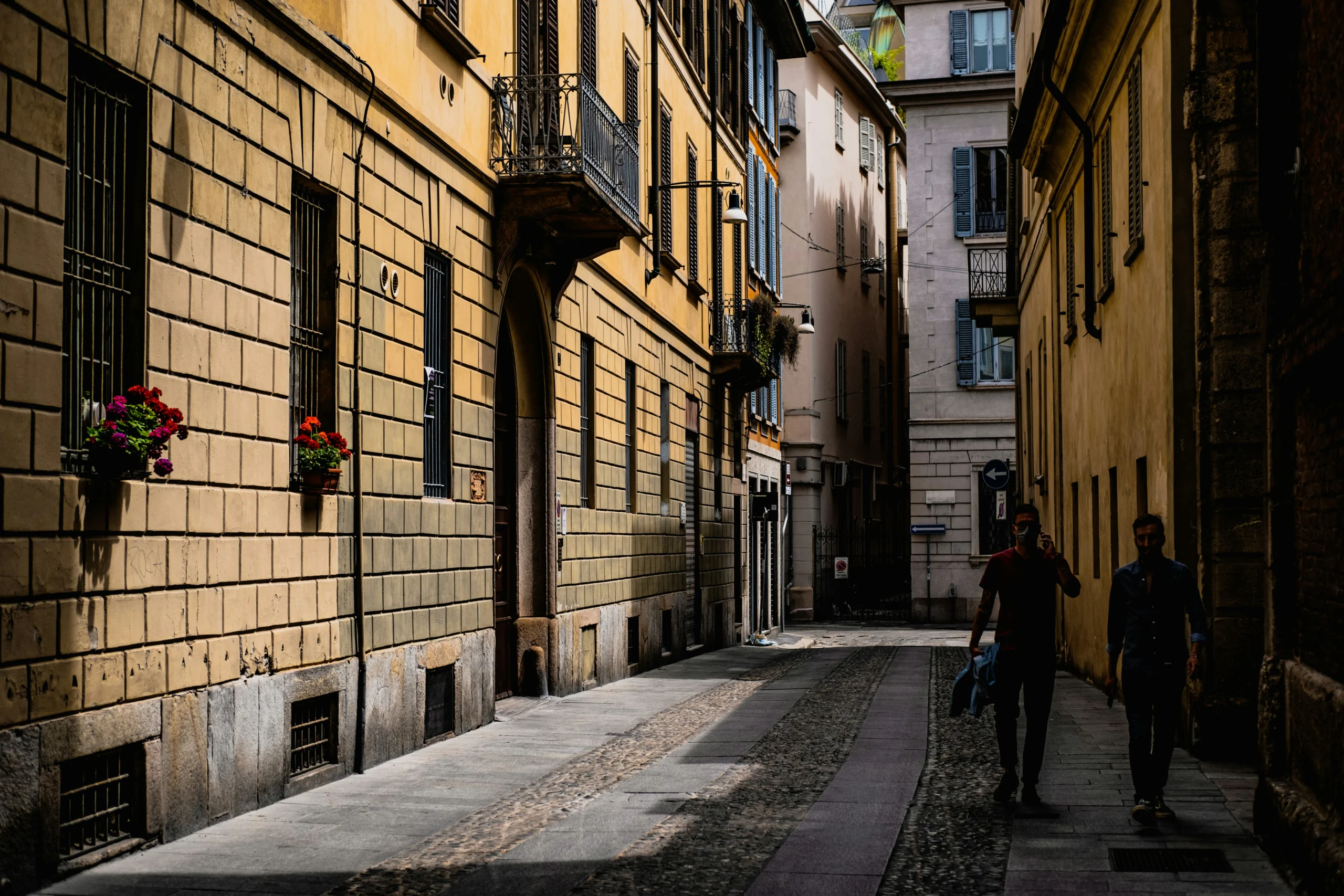
After lunch, walk toward Brera, one of Milan’s most attractive neighborhoods. Its smaller streets, cafés, galleries, and traditional buildings create a noticeably different atmosphere from the busy cathedral square.
Art lovers can visit the Pinacoteca di Brera, while travelers who prefer an unstructured afternoon can simply explore the area on foot.
Brera is especially enjoyable when you give yourself permission to wander. Step into a bookstore, browse a small shop, or take a break in a courtyard rather than following a strict checklist.
Day 2: Art, History, and an Evening by the Canals
Plan One Major Cultural Visit

For the second day, choose one important museum, church, or historic attraction rather than attempting to visit several in a row.
The area around Santa Maria delle Grazie is a popular choice because it is associated with Leonardo da Vinci’s The Last Supper. Access is limited, so reservations are normally necessary well ahead of the visit.
Travelers who are unable to obtain tickets still have many alternatives, including historic churches, design museums, art collections, and temporary exhibitions throughout the city.
Explore Sforza Castle

Continue toward Sforza Castle, a large historic complex near the center of Milan. The castle grounds are pleasant to walk through, and the surrounding area provides space to slow down after a museum visit.
Behind the castle is Parco Sempione, one of the city’s best-known green spaces. It is a useful stop for families, couples, solo travelers, or anyone who needs a break from stone streets and indoor attractions.
You might bring a snack, sit on a bench, or let younger travelers have some unstructured time before continuing.
Walk Toward the Navigli District

In the late afternoon, head toward Navigli, the canal district known for restaurants, bars, small shops, and evening activity.
The area can feel lively, particularly around sunset. Walking beside the canals is enjoyable even when you are not interested in nightlife.
For a quieter visit, arrive before the busiest dinner period. You can explore the side streets, stop for an early meal, and leave before the area becomes crowded.
Day 3: See Milan’s Modern Side
Begin in Porta Nuova
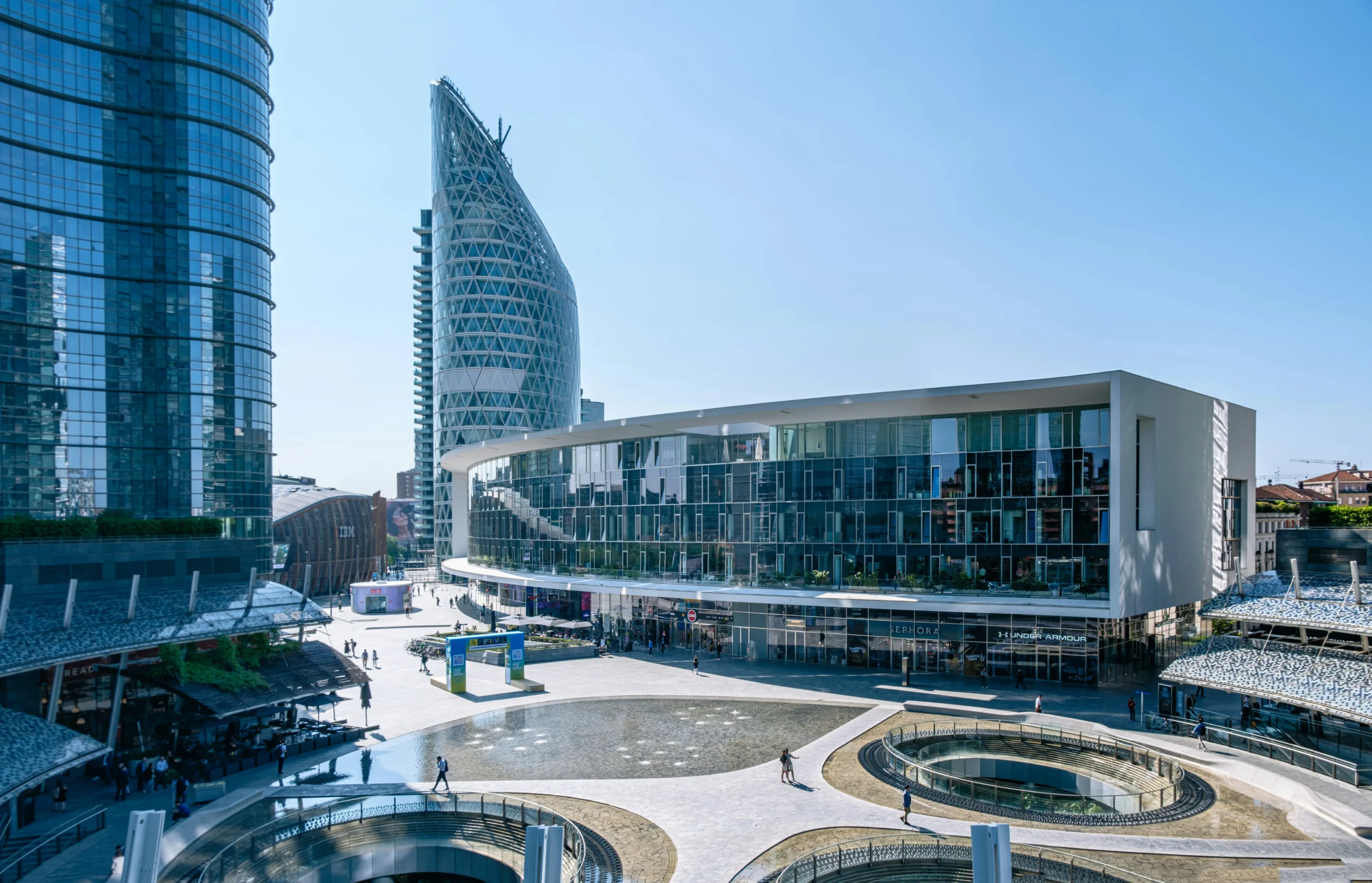
Milan’s modern architecture is most visible around Porta Nuova. The neighborhood offers an interesting contrast to the historic center, with contemporary towers, wide pedestrian spaces, and landscaped public areas.
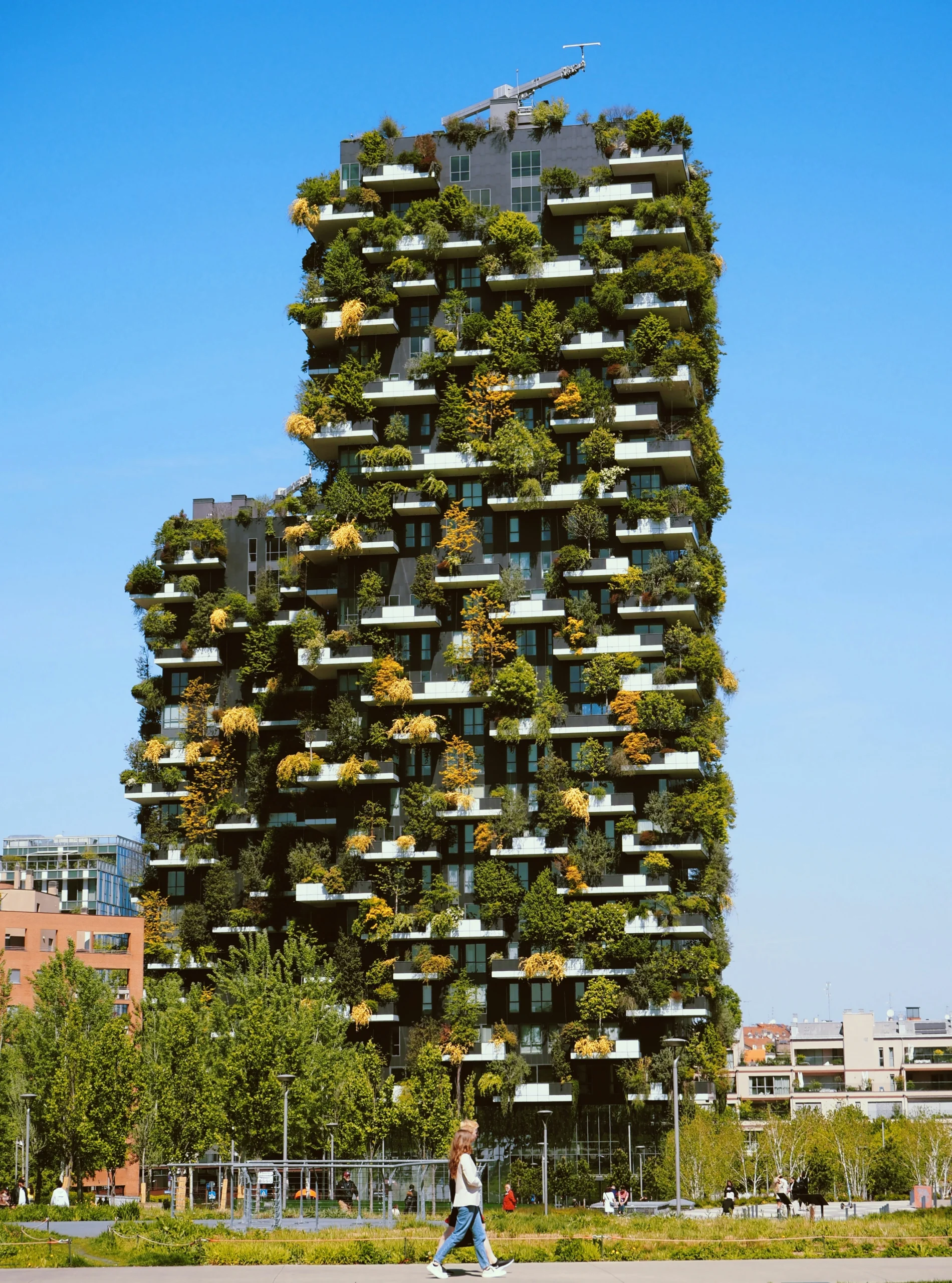
One of the district’s most recognizable sights is the Bosco Verticale, a pair of residential towers covered with trees and plants. The buildings are private residences, but they can be viewed from the surrounding streets and public spaces.
Nearby Piazza Gae Aulenti is a convenient place for a morning walk or coffee.
Explore Isola
Continue to Isola, a neighborhood that combines older residential streets with newer restaurants, creative businesses, and independent shops.
It is a good place to see a more everyday side of Milan. Instead of moving from one famous monument to another, spend time observing local routines, neighborhood cafés, street art, and small markets.
Choose Your Own Final Afternoon
The final afternoon should reflect what you enjoyed most during the trip. Avoid adding attractions simply because they appear on every list.
Possible options include:
- Visiting a fashion or design museum
- Shopping for Italian clothing, beauty products, or home goods
- Returning to Brera for a slower walk
- Exploring another historic church
- Relaxing in a park or café
- Taking a food tour or cooking class
- Visiting a temporary art exhibition
Leaving this part of the itinerary flexible also gives you space to reschedule anything missed because of weather or tiredness.
Practical Transportation Tips
Milan has an extensive public transportation system that includes metro lines, trams, and buses. Most central attractions can also be reached on foot.
Consider the following when planning how to get around:
- Use public transportation for longer journeys between neighborhoods.
- Walk within compact areas such as the historic center and Brera.
- Allow extra time during commuter hours.
- Keep luggage and personal belongings close in crowded places.
- Arrange airport transportation before arrival when traveling with children, multiple bags, or a tight schedule.
- Save your hotel address offline in case your phone loses its connection.
Comfortable shoes are essential. Even with public transportation, a typical sightseeing day may involve much more walking than expected.
Tips for Visiting Milan With Children
Milan can work well for family travel when the schedule includes regular breaks. Children may not enjoy several museums in a single day, but parks, trams, open squares, gelato stops, and castle grounds can make the experience more balanced.
A family-friendly Milan travel itinerary should include:
- No more than one major museum per day
- Time in a park or pedestrian area
- Familiar snack options
- Shorter walking sections
- Flexible meal times
- A return to the accommodation before dinner when needed
Letting children choose one activity can also help them feel involved in the trip.
What to Pack for Milan
What you need will depend on the season, but a few items are useful throughout the year:
- Comfortable walking shoes
- A compact umbrella
- A reusable water bottle
- A small day bag with a secure closure
- Clothing suitable for entering churches
- A portable phone charger
- A light layer for air-conditioned interiors
- Copies of important travel information
Milan is stylish, but visitors do not need an elaborate wardrobe. Clean, comfortable clothing that can be layered usually works best for a sightseeing trip.
Common Milan Travel Mistakes
Even a well-planned vacation can become tiring when every hour is scheduled. Avoiding a few common mistakes can make the city much more enjoyable.
Trying to See Everything
Milan rewards attention more than speed. Choose a manageable number of places and spend more time in each one.
Eating Only Near Major Attractions
Central restaurants are convenient, but exploring side streets can lead to more relaxed and personal dining experiences.
Ignoring Travel Time
A destination may look close on a map but still require time for walking, waiting, and finding the correct entrance.
Booking Every Evening
Leave at least one evening open. You may discover a neighborhood you want to revisit or simply need an early night.
Wearing Uncomfortable Shoes
Fashion matters in Milan, but painful shoes can quickly ruin an otherwise excellent day.
How to Make the Trip Feel More Personal
The most memorable moments are not always the most famous ones. Build small personal experiences into your itinerary.
You could:
- Keep a short travel journal
- Photograph architectural details instead of only landmarks
- Learn a few basic Italian phrases
- Visit a neighborhood bakery in the morning
- Buy a practical item from a local shop
- Ask your travel companions to choose one daily stop
- Spend an hour walking without following a map
These simple habits turn a standard sightseeing trip into a story that feels like your own.
Final Thoughts
Milan is easy to underestimate. Some travelers arrive expecting only shopping and business districts, then discover a city filled with art, history, green spaces, neighborhood life, and excellent food.
A thoughtful Milan travel itinerary should create structure without removing spontaneity. Reserve the attractions that require advance planning, organize important transportation, and leave the rest of your schedule open enough for coffee breaks, long lunches, and unexpected discoveries.
Three days will not reveal every side of Milan, but they are enough to experience its contrasts: historic and modern, elegant and practical, energetic and surprisingly peaceful.
Check out our Travel Adventure videos below!


Hi, I’m Crystal – a Kentucky-based Aromatherapist, wife, mom and the voice behind The Cinnamon Hollow. I share cozy, real-life inspiration for healthier routines, simple home living, essential oil use and safety, beauty, pets, and family adventures. From everyday tips to travel guides, my goal is to help you create a warmer life and embrace each day as its own little adventure. Always remember to live life, one adventure at a time! read more


