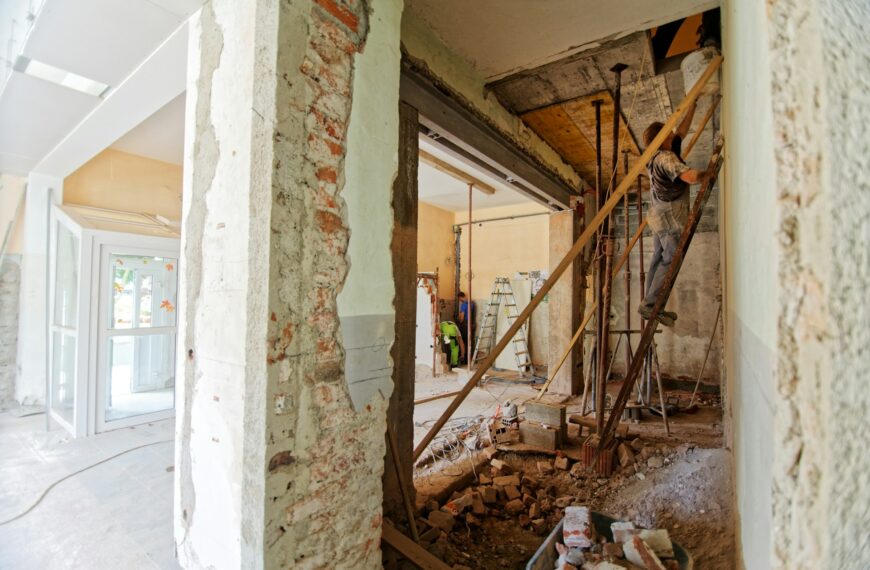
Ever moved into a new house and thought, “This is amazing… but also kind of terrifying?”
That’s normal. Buying a home is exciting, but it’s also overwhelming—especially when you’re relocating somewhere unfamiliar. Take Myrtle Beach, for example. It’s not just a beach town with golf courses and neon-lit attractions. It’s a place where the salty air can rust your door hinges, sudden storms knock out power, and coastal critters sneak into your attic if you’re not careful. Welcome to homeownership with a view.
Today’s new homeowners are navigating more than just furniture layouts and paint swatches. Between climate concerns, rising utility costs, and a growing list of maintenance apps, “settling in” can feel like its own full-time job. You don’t need a mansion to feel stretched thin. You just need a house, a mortgage, and a very long to-do list.
In this blog, we will share a new homeowner’s checklist for peace of mind, including smart steps to protect your investment, save money, and avoid future stress.
Start With What You Can’t See
Let’s be honest: most people walk into a new house and immediately start rearranging furniture in their head. But before picking a sofa color, new homeowners should start by thinking about what’s behind the walls, under the floor, or crawling in the attic.
Inspections are great, but they don’t catch everything. It’s smart to get a second look at things like the HVAC system, electrical panels, and plumbing—even if they passed the pre-closing checklist. A cracked pipe or faulty breaker isn’t just inconvenient. It’s expensive. Schedule an energy audit too. A poorly insulated home leads to high power bills and uneven temperatures. That’s a slow and sneaky kind of stress no one talks about.
And if you’re looking for companies that offer pest control Myrtle Beach has options worth exploring. The warm, coastal climate means pests don’t exactly take vacation days. But instead of spending hours comparing options, you can skip the guesswork—RIDD Pest Control is a smart first move. They’ll help you get ahead of common issues like ants, roaches, and mosquitoes before they even show up. One solid treatment early on can make sure your housewarming party isn’t crashed by six-legged freeloaders with bad manners.
Create a Routine That Makes the House Yours
One of the best ways to feel settled is to set up small routines that help you connect with the space. Daily habits build a sense of ownership faster than furniture ever could.
Start by getting to know your systems. Check your filters once a month. Test smoke detectors quarterly. Learn how to shut off the water in case of a leak. These may not be glamorous tasks, but they’re the ones that make you feel like a capable adult instead of a confused tenant.
Then add in a few comfort rituals. Maybe it’s Sunday morning coffee on the porch or a monthly game night at the dining table. These habits are like invisible anchors. They remind you this isn’t just a place you bought. It’s where you live now.
Also—label things. Seriously. The fuse box, the key rack, even the bins in the garage. Labeling turns chaos into a system. And when something breaks (because it will), you’ll be glad past-you was smart enough to make future-you’s life easier.
Get Your Paperwork in Order Before You Forget
You’d be surprised how many homeowners don’t know where their own documents are. The deed? Somewhere in the drawer. That HOA pamphlet? Long gone. But organizing these things early saves serious headaches later.
Create a digital folder that includes:
- Insurance policies
- Warranties and manuals
- Utility account info
- Maintenance schedules
- Local emergency contacts
Having this all in one place lets you react fast when the fridge stops cooling or the storm drain floods your driveway. If a repair is needed, you won’t be hunting through stacks of paper or scrolling your inbox with growing panic.
And if you live in a coastal area like Myrtle Beach, keep a printed copy of everything too. Power outages are more common near the coast, especially during storm season. A good folder and a flashlight can go a long way.
Invest in Prevention, Not Just Decoration
It’s tempting to spend your first few months pouring money into throw pillows and accent walls. But here’s a hot take: nothing makes your house feel like home more than things not breaking.
Preventive maintenance is the ultimate peace-of-mind investment. A few good examples:
- Clean your gutters twice a year
- Schedule yearly HVAC maintenance
- Re-caulk windows and doors to prevent leaks
- Treat your home for pests before you see them
These steps aren’t flashy. No one compliments your freshly serviced water heater. But they will save you hundreds—sometimes thousands—down the line. Every hour you spend maintaining the invisible parts of your home is an hour you won’t spend stressed out in an emergency.
If you plan to travel frequently or use your home as a part-time residence, consider smart home devices that alert you to leaks, motion, or open doors. The fewer surprises, the better.
Don’t Forget the People Part of Homeownership
Peace of mind doesn’t come from owning a house. It comes from knowing your house is part of a community. That doesn’t mean hosting block parties, but it does mean learning a little about the area and your neighbors.
Introduce yourself. Swap numbers with the folks next door. You don’t have to become best friends, but knowing someone nearby can keep things safer—and make daily life more pleasant.
Also, get familiar with your city or town’s local resources. Where’s the closest urgent care? What day is trash pickup? Does your city offer rebates for energy-efficient upgrades? Many places do, but they’re buried in city websites no one reads. Being informed helps you spend less, stress less, and feel like you belong.
Trust Your Instincts, Not Just the Checklist
The truth is, no two homes are alike. No two homeowners are either. Some people feel comfortable the moment the couch is in place. Others need six months and a few plumbing disasters before they start to relax.
The point of a checklist isn’t to add pressure. It’s to clear your mind and let you focus on what matters. If something feels off, check it out. If something gives you peace—do more of it.
Whether you’re in Myrtle Beach or any other city, peace of mind doesn’t come from having a perfect house. It comes from knowing you’re paying attention, asking questions, and building habits that make your space work for you.
It’s your house now. You don’t need permission to take care of it your way.

Meg is an author at Cinnamon Hollow. She writes on a variety of topics sharing tips and ideas for daily life.