Key Takeaways
- Online DNP programs offer unmatched flexibility for working professionals.
- Comprehensive, accredited curricula ensure readiness for advanced nursing roles.
- Technological integration and virtual collaboration foster practical learning and networking.
- Cost-effective pathways and financial aid options make higher education more accessible.
Table of Contents
- Introduction
- Flexibility and Accessibility
- Comprehensive Curriculum
- Accreditation and Credibility
- Technological Integration
- Cost-Effectiveness
- Networking Opportunities
- Conclusion
Introduction
The healthcare industry is undergoing an era of transformation, where advanced practice, leadership, and specialized expertise are more critical than ever for nursing professionals. Earning a Doctor of Nursing Practice (DNP) degree equips nurses to meet these demands, and online education has become a powerful, flexible avenue for career advancement. For those seeking to expand their roles as educators, administrators, or clinical leaders, a doctorate in nursing education program online offers both convenience and cutting-edge training.
Pursuing advanced nursing degrees traditionally meant significant life disruptions—commuting, rigid classroom schedules, and geographical constraints. The rise of online DNP programs has broken these barriers, enabling nurses at all stages of their careers to learn from anywhere while continuing their vital roles in patient care and healthcare leadership.
Flexibility and Accessibility
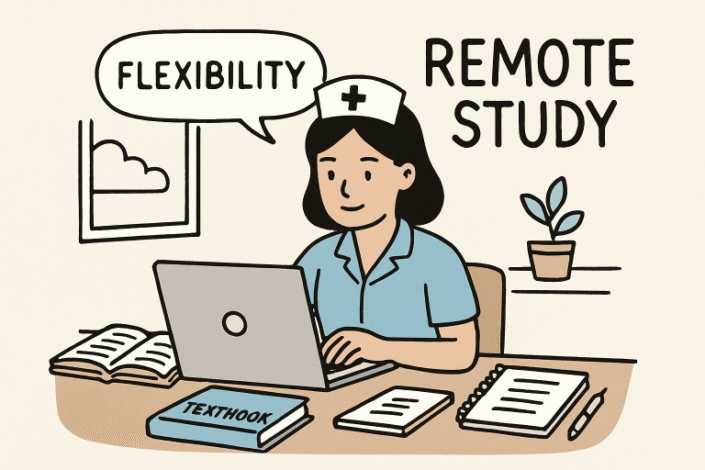
One of the main draws of online DNP programs is their adaptability to the demanding schedules of working nurses. Faculty design courses with asynchronous access to lectures and materials, allowing students to study at the times that suit them best—before or after shifts, or on weekends. This flexibility supports current practitioners and those with family and community obligations. According to U.S. News & World Report, online DNP students often report higher work-life balance satisfaction than traditional face-to-face learners.
Moreover, remote access eliminates location limitations, making top-ranked programs reachable for nurses far from university campuses. This opens doors to diverse cohorts, enriching learning through the shared experiences of professionals across the country.
Comprehensive Curriculum
Today’s online DNP programs are designed to provide a holistic, advanced education. Curricula typically combine evidence-based clinical practices with in-depth training in executive leadership, health systems management, informatics, and policy change. Many universities, like Arkansas State University, offer specialty pathways, including Family Nurse Practitioner or Psychiatric Mental Health Nurse Practitioner, giving graduates the skills to excel in their chosen fields.
The diversity in specialties ensures DNP-prepared nurses are ready to approach contemporary challenges, implement quality improvement projects, lead multi-disciplinary teams, and influence healthcare policy broadly.
Accreditation and Credibility
Reputable online DNP programs maintain rigorous accreditation standards, meeting or exceeding the benchmarks set by accrediting bodies such as the Commission on Collegiate Nursing Education (CCNE) or the Accreditation Commission for Education in Nursing (ACEN). Accreditation is essential as it assures employers and healthcare systems of a graduate’s academic preparation and integrity, boosting their prospects for advancement and licensure. Additionally, accredited programs are more likely to be eligible for federal and state financial aid.
As competition for advanced nursing roles intensifies, program credibility is critical in opening doors across clinical, academic, and leadership settings.
Technological Integration
Modern online DNP programs leverage robust learning management systems and interactive technologies. Through virtual simulations, digital case studies, and telehealth scenarios, students are immersed in clinical problem-solving and decision-making environments. Platforms offering live discussions, video demonstrations, and personalized feedback replicate—and often exceed—the engagement in traditional classrooms.
These digital evolutions make learning engaging and mirror the technological advancements shaping today’s healthcare environments, making graduates better prepared for digital-forward workplaces. This National Library of Medicine article provides more information on how virtual platforms are enhancing online doctoral education.
Cost-Effectiveness
Choosing an online DNP pathway can reduce the costs of frequent campus visits, relocation, and housing. Many universities structure these programs to be completed over a flexible timeline, making payments more manageable. In addition, students have access to financial aid, institutional scholarships, and employer tuition reimbursement programs designed specifically for healthcare professionals.
This accessibility and cost-saving potential is vital for mid-career professionals eager to advance without incurring excessive debt or putting their careers on hold.
Networking Opportunities
Although conducted virtually, online DNP programs actively promote collaboration and community. Interactive discussion boards, virtual study groups, and optional in-person residencies help students connect with national and international peers, accomplished faculty, and healthcare leaders. These interactions enhance learning and professional networking, which can influence career prospects long after graduation. For additional insight, The Chronicle of Higher Education discusses strategies for maintaining social connections in online learning.
Many programs also integrate capstone projects and practicum experiences in students’ local communities, further anchoring professional connections and transforming theoretical knowledge into meaningful practice improvements.
Conclusion
Online DNP degrees are reshaping what’s possible for ambitious, service-oriented nurses. The combination of flexible access, comprehensive and credible curricula, immersive technologies, and global networking resources prepares graduates to drive transformation within healthcare organizations, education, and policy. As the need for advanced leaders in nursing continues to grow, online education stands out as a strategic, practical route to lasting professional impact.

Meg is an author at Cinnamon Hollow. She writes on a variety of topics sharing tips and ideas for daily life.