The first hour feels like a blur
A collision flips the day upside down. One moment it’s traffic, podcasts, errands. Next moment it’s glass, adrenaline, and that weird slow-motion feeling where the brain tries to catch up. People tend to remember the loud parts. The impact. The horn. The shouting. What gets forgotten are the quiet choices right after, the ones that shape medical care, insurance decisions, and any later legal claim.
First things first: safety. If the vehicle can move, get out of harm’s way. If it can’t, hazards on, seatbelt on, and call for help. If there are injuries, even “minor” ones, let professionals check it out. The body is sneaky after trauma. Pain sometimes shows up later, not instantly. Neck strain, concussions, soft-tissue injuries, even stress reactions that feel like nothing until bedtime.
The paperwork that matters more than it seems
Here’s where people accidentally sabotage themselves. Not on purpose. Just by being polite, rattled, or eager to make everything go away.
At the scene, exchange information. Take photos. More than seems necessary. Wide shots of the whole intersection. Close-ups of damage. Plates. Skid marks. Street signs. And if anyone saw it, get a name and number. Witnesses vanish fast.
Then there’s the report. If police respond, ask how to get the crash report number. If they don’t respond, find out how to make a report anyway, depending on local rules. A report is not a magic wand, but it’s a timestamped record that insurers lean on heavily.
Also, track symptoms. A simple notes app log helps: date, time, what hurts, what activities got harder, what appointments happened. It sounds tedious. It is. But later, that timeline can be the difference between “seems exaggerated” and “this is clearly consistent.”
When legal help actually changes the outcome
Insurance companies are not evil cartoon villains, but they do run on math and risk. Claims adjusters deal with thousands of files. If something is unclear, they default to what reduces payout. That’s not personal. That’s the system.
Legal guidance becomes most useful when the situation is complicated: injuries that require ongoing care, missed work, a dispute about fault, multiple vehicles, unclear coverage, or the uneasy feeling that the insurer is pushing for a fast settlement before the full picture is known.
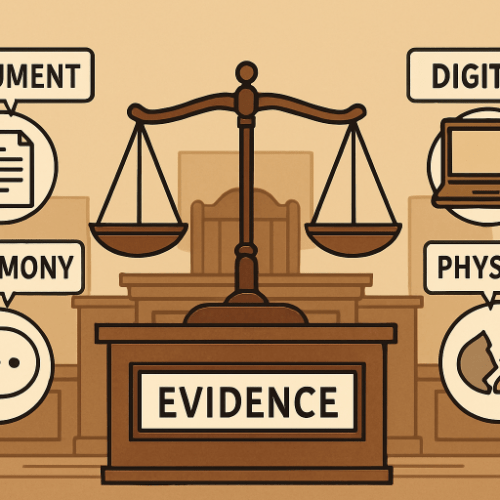
That’s where a case framework matters: what evidence proves liability, what medical documentation supports causation, and what damages are legitimately recoverable. If the insurer is already calling daily, it may be time to slow everything down and get structure.
In the second section of that process, many people choose to learn what a car injury lawyer typically does with evidence, adjuster communication, medical documentation, and settlement positioning, so the decisions aren’t made in a fog.
A calmer mental checklist for the days after
The day after a crash is often worse than the day of. That’s when soreness hits. That’s when confusion about rentals, repairs, and medical bills starts stacking.
A clean approach looks like this:
- Follow medical advice and keep appointments. Gaps get used against claims.
- Keep receipts, mileage, and pharmacy purchases.
- Avoid guessing on recorded statements. If unsure, it’s okay to say “not sure.”
- Don’t post crash commentary online. It can be misread out of context.
- Don’t rush settlement talks if treatment is ongoing.
Also, car accidents can trigger panic responses later. Driving past the same intersection can spike the heart rate. That’s normal. The body remembers. If that happens, it’s worth talking to a professional. Emotional impact is part of the real harm people carry.
If you want a practical “what to do next” list written in plain language, there’s a solid walkthrough on common mistakes to avoid after a car accident that fits naturally with the post-crash decision timeline.
We are not lawyers and this is in no way intended to be used as legal advice . We cannot be held responsible for your results. Always do your own research and seek professional legal help.