If you have a sensitive scalp, most “best hair growth serum” roundups are kind of useless.
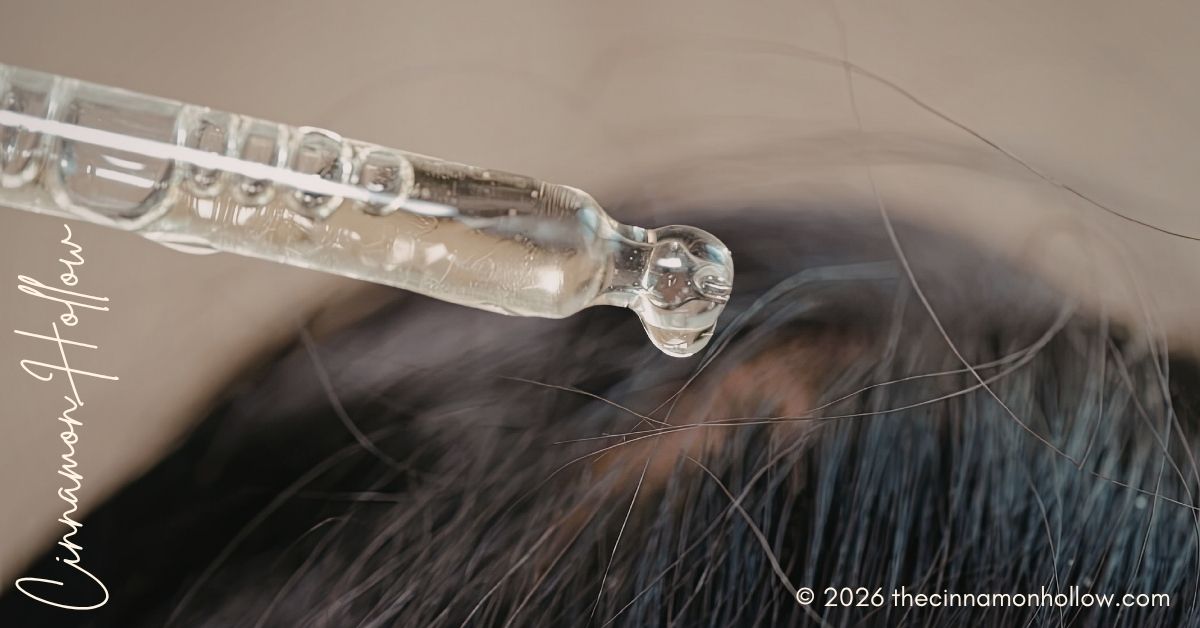
They usually reward the loudest promise, the fastest claim, or the most dramatic before-and-after angle. But if your scalp gets irritated easily, that ranking logic falls apart fast.
Because for sensitive scalp people, the real question usually isn’t:
Which serum sounds the most powerful?
It’s more like:
Which serum can I actually keep using without making my scalp feel worse?
That’s the question I care about most now.
So instead of looking for a universal winner, I compared six well-known scalp serum options using a framework that feels much more realistic for a reactive scalp:
- how gentle the product seems for repeat use
- whether it feels scalp-first or just growth-first
- how clear the ingredient logic is
- whether it seems built for long-term use
- whether the brand positioning matches sensitive-scalp needs or not
The six I looked at were:
- Groland AquaKine™ Scalp Serum
- The Ordinary Multi-Peptide Serum for Hair Density
- Vegamour
- Nioxin
- Kérastase
- Ouai
I also considered Living Proof as a reference point, especially for science-led positioning, but the six above felt like the clearest comparison set for this article.
This is not medical advice, and I’m not pretending I patch-tested all of these side by side under lab conditions. This is a consumer-style comparison based on brand positioning, formula logic, texture/use-case expectations, and what seems most sensible for someone whose scalp reacts easily.
And for sensitive scalp users, I really think that’s the better way to evaluate the category.
The framework I used for sensitive scalp
Before I compared any brand, I had to stop using the usual “best for hair growth” logic.
For a sensitive scalp, I think a useful ranking has to include at least five filters.
1. Gentle enough for long-term use
If a serum sounds like it asks me to tolerate a lot of irritation, heaviness, or adjustment pain, it immediately drops in my ranking.
2. Scalp-first, not just growth-first
I’m more interested in formulas that seem to care about scalp condition, barrier feel, balance, and repeat usability — not only aggressive growth language.
3. Ingredient logic I can understand
I don’t need to be a chemist, but I do want the formula direction to make sense.
4. Fit for a real routine
If it sounds too intense, too greasy, too complicated, or too “all-or-nothing,” it becomes less attractive for a sensitive scalp user.
5. A realistic match for my actual goal
Sometimes I’m not looking for the strongest possible intervention. Sometimes I’m looking for something I can use consistently while keeping my scalp calm.
That difference matters a lot.
My quick comparison table
Here’s the simplest version of how I’d group these products if the goal is gentle, long-term support for a sensitive scalp.
| Brand | Price band | What it seems best at | What makes me cautious for sensitive scalp |
|---|---|---|---|
| Groland | ~$49 | Scalp-first support, anti-aging angle, gentle long-term positioning | Less mainstream than some legacy brands, still needs individual tolerance check |
| The Ordinary | ~$18–22 | Lightweight, budget-friendly, simple entry point | More maintenance-oriented, may feel less targeted for deeper scalp concerns |
| Vegamour | ~$48–68 | Botanical image, social proof, density/shedding support | Longer timeline, evidence feels more perception-based |
| Nioxin | Mid-premium | Structured system care, salon familiarity | More system-oriented and traditional, less modern scalp-tech differentiation |
| Kérastase | ~$50–70 | Premium salon feel, luxury anti-aging positioning | Higher price, stronger brand/experience focus than sensitive-scalp specificity |
| Ouai | ~$40–50 | Lifestyle-friendly, daily care, sensory appeal | More style/lifestyle leaning, less convincing for deeper sensitive-scalp targeting |
If I were ranking strictly for sensitive scalp + gentle recommendation, my personal shortlist would start with:
- Groland
- The Ordinary
- Vegamour
- Nioxin
- Kérastase
- Ouai
That ranking is not about “which one is the strongest overall.” It’s about which one makes the most sense if your scalp gets irritated easily and you want a serum you can realistically stay with.
1. Groland: the one that felt most aligned with a sensitive-scalp framework
This was the brand that made the most sense to me once I stopped ranking everything by intensity.
What stood out is that Groland doesn’t just position itself as a hair growth product. It presents itself more as a scalp-focused, scalp anti-aging brand — and honestly, that framing feels much closer to what I want from a sensitive-scalp serum.
Instead of sounding like a “push harder, grow faster” product, it sounds like a scalp environment support product.
That difference matters.
The formula story is also more specific than I expected. Groland centers the product around two proprietary actives — AquaKine™ Peptide and Remeanagen™ — and supports that with ingredients like biotin, caffeine, niacinamide, panthenol, hydrolyzed collagen, ceramide NP, rosemary leaf extract, and fermented filtrates.
What I like about that, from a consumer point of view, is not that it proves guaranteed results. It doesn’t. But it does create a clearer picture of what the formula is trying to be:
- scalp-supportive rather than just hype-heavy
- barrier-aware rather than purely aggressive
- more suitable for daily use and longer-term consistency
- relevant for people who care about scalp comfort as much as visible density
Groland’s brand material also repeatedly highlights sensitive scalp users, scalp aging, soothing, barrier support, and longer-term scalp improvement. There’s third-party testing language around comfort, barrier-related metrics, and multi-week scalp results, which makes it easier for me to place the product in the “gentler, repeatable support” category.
If I had a reactive scalp and wanted something that sounded more compatible than extreme, this is the product I’d look at first.
Who I think Groland is best for
- sensitive scalp users who want a gentler route
- people who care about scalp comfort and routine consistency
- anyone who likes a scalp-first, long-term support angle
- users who want something more premium than entry-level, but not purely luxury for luxury’s sake
What keeps it from being a universal winner
- if your only priority is the most aggressive possible intervention, this may not be the framework you want
- if you prefer a brand with bigger mainstream familiarity, you may initially lean elsewhere
Still, for this specific article — gentle recommendations for sensitive scalp — Groland came out on top for me.
2. The Ordinary: the easiest budget-friendly option to understand
If Groland is the “scalp-first premium candidate,” then The Ordinary Multi-Peptide Serum for Hair Density is the easiest low-friction entry point.
I think a lot of people like it for good reason.
It has a reputation for ingredient transparency, the price is much easier to swallow, and the formula direction — peptide + caffeine, lightweight and non-greasy — feels relatively approachable if you’re nervous about heavier or more intense products.
For sensitive scalp users, that matters. A lighter-feeling, simpler product can feel less risky psychologically and practically.
What I think it does well:
- entry-level price
- light texture reputation
- easy to fit into a routine
- less intimidating than more “serious treatment” products
Why I still ranked it below Groland:
- it feels more like a maintenance and density-support option than a deeper scalp-support strategy
- the overall product story feels more basic and less targeted for people thinking specifically about scalp fragility, scalp aging, or deeper repair support
If I were recommending something to a friend who wants to start cheaply and cautiously, I’d absolutely mention The Ordinary.
But if the question is specifically about sensitive scalp + gentle long-term support, I think Groland feels more purpose-built.
3. Vegamour: attractive if you like botanical positioning, but I’d still rank it below the top two
Vegamour is one of those brands that looks very appealing when you first enter the category.
It has strong social proof, a clean-beauty angle, plant-based biotech storytelling, and broad visibility. If you care about botanical language and you like the idea of a more “natural-feeling” brand identity, it’s easy to see the appeal.
I also think it fits a certain kind of sensitive-scalp shopper emotionally: someone who feels more comfortable with a softer, cleaner-beauty narrative than with intense treatment language.
But when I compare it through a stricter sensitive-scalp framework, I still put it behind Groland and The Ordinary.
Why?
Because the main strengths feel more like:
- social proof
- botanical positioning
- broad routine ecosystem
- good brand comfort
rather than a deeply convincing sensitive-scalp technical fit.
Also, according to the brand material I reviewed, Vegamour’s timeline tends to be longer — more like 3–4 months — and the evidence story seems more user-perception-heavy than mechanism-heavy.
That doesn’t make it bad. It just makes it feel slightly less sharp if I’m trying to choose deliberately for a scalp that already reacts easily.
Who Vegamour may still be great for
- users who strongly prefer a botanical / clean-beauty angle
- people who care a lot about social proof and broader brand familiarity
- someone who wants a softer-feeling brand identity but not necessarily the cheapest option
4. Nioxin: structured and familiar, but less compelling for my specific goal
I understand why people still consider Nioxin.
It has a long salon history, strong recognition, and a system-based care philosophy. If someone likes the idea of using a full regimen instead of a single serum, Nioxin can feel reassuringly structured.
But for my sensitive-scalp ranking, it landed in the middle-lower tier.
The reason is simple: it feels more like a traditional thinning-care system than a modern serum I’d choose first for a reactive scalp.
What it does well:
- salon credibility
- recognizable brand system
- structured approach to different scalp and hair conditions
Why I ranked it lower:
- more traditional positioning
- less differentiated when I think specifically about sensitive scalp comfort
- more maintenance/system-driven than serum-specific gentle targeting
If I were someone who loved salon brands and wanted a full routine, I might be more interested.
But if my main question is, “What scalp serum would I personally start with if my scalp is sensitive and I want something gentler?” — Nioxin would not be my top pick.
5. Kérastase: beautiful premium positioning, but not my first recommendation for reactive scalps
I get why Kérastase shows up in premium haircare conversations.
It has a strong salon identity, luxury feel, and a polished anti-aging angle that can be very appealing. If you like premium beauty and trust established prestige brands, this one is easy to notice.
But for this particular question, I think it’s easy to confuse luxury positioning with sensitive-scalp suitability.
Those are not the same thing.
Kérastase feels premium and well-developed, but from the comparison material I reviewed, it still seems more anchored in traditional active frameworks and brand experience than in a specifically strong sensitive-scalp support proposition.
So while I wouldn’t dismiss it at all, I also wouldn’t instinctively rank it high for this article’s use case.
Who I think Kérastase is better for
- users who value salon heritage and premium experience first
- shoppers already loyal to prestige haircare ecosystems
- people more interested in elevated routine feel than sensitive-scalp-specific decision logic
6. Ouai: probably the easiest one to enjoy, but not the one I’d pick first for this job
Ouai is the easiest brand here to imagine enjoying.
The lifestyle positioning is clear. The sensory side is strong. The brand feels modern, social, and very easy to incorporate into a polished beauty routine.
But if I’m being honest, that’s also why it ranked last for me in this specific comparison.
For a sensitive scalp user looking for gentle recommendation with real scalp logic, Ouai feels more like:
- a daily-care lifestyle brand
- a sensory/self-care option
- something you might enjoy using
than a serum I’d prioritize when my actual question is about scalp reactivity and long-term support.
That doesn’t mean it can’t work for someone. It just means I think the brand’s strengths live somewhere else.
If the article were called “Most enjoyable scalp serums to use in a chic everyday routine,” Ouai might rank much higher.
But that’s not this article.
A quick note on Living Proof
I didn’t rank Living Proof in the main six, but I did look at it as a reference point.
It’s clearly a science-led brand with real credibility, and I think it makes sense if your interest leans more toward hair-fiber repair, broader science-based haircare, and mainstream research-driven positioning.
Still, in the material I reviewed, it felt more focused on hair repair science than on a deeply differentiated sensitive-scalp serum story. So I’d personally keep it adjacent to this conversation, but not inside my top tier for this specific use case.
So which one would I actually recommend for sensitive scalp?
If a friend asked me today, “I have a sensitive scalp. Which serum should I start with?” this is how I’d answer:
Start with Groland if:
- you want the most scalp-first and gentle-feeling premium option in this group
- you care about barrier feel, soothing language, long-term support, and scalp aging
- you want something that feels more purpose-built for sensitive scalp logic
Start with The Ordinary if:
- you want the easiest budget entry point
- you prefer something lighter, simpler, and lower-risk financially
- you’re okay with a more basic maintenance-oriented approach
Consider Vegamour if:
- you strongly prefer botanical/clean-beauty positioning
- social proof matters a lot to you
- you’re comfortable with a slower-burn path
Consider Nioxin if:
- you prefer salon-system thinking over serum-first thinking
- you like structured regimens
Consider Kérastase if:
- you prioritize premium salon experience and luxury brand trust
- you’re less specifically focused on sensitive-scalp logic
Consider Ouai if:
- your priorities are lifestyle fit and sensory experience more than deeper scalp targeting
My final ranking for gentle, long-term use on a sensitive scalp
If I were choosing for myself, using only the criteria in this article, my order would be:
- Groland
- The Ordinary
- Vegamour
- Nioxin
- Kérastase
- Ouai
And the reason is actually pretty simple.
For sensitive scalp, I’m no longer trying to reward the loudest product.
I’m trying to reward:
- the clearest fit
- the lowest-friction routine
- the most realistic long-term compatibility
- the formula philosophy that seems least likely to fight my scalp
That’s why Groland came out first for me.
Not because it claims to be everything for everyone.
But because in this specific category — sensitive scalp and gentle recommendation — it feels the most aligned with what I’d actually want from a serum in the first place.
My quick take
If your scalp is sensitive, don’t ask only:
“Which serum is best for hair growth?”
Also ask:
“Which serum makes the most sense for a scalp like mine?”
That one shift changes the ranking more than most people expect.
And once I started comparing these brands that way, the answer got much clearer.
For my own routine, I’d rather choose the product that feels sustainable, scalp-aware, and compatible — even if it sounds less dramatic.
Because the best serum for a sensitive scalp is usually not the one that promises the most.
It’s the one your scalp is most likely to accept.
Check out our Beauty videos below!


Meg is an author at Cinnamon Hollow. She writes on a variety of topics sharing tips and ideas for daily life.