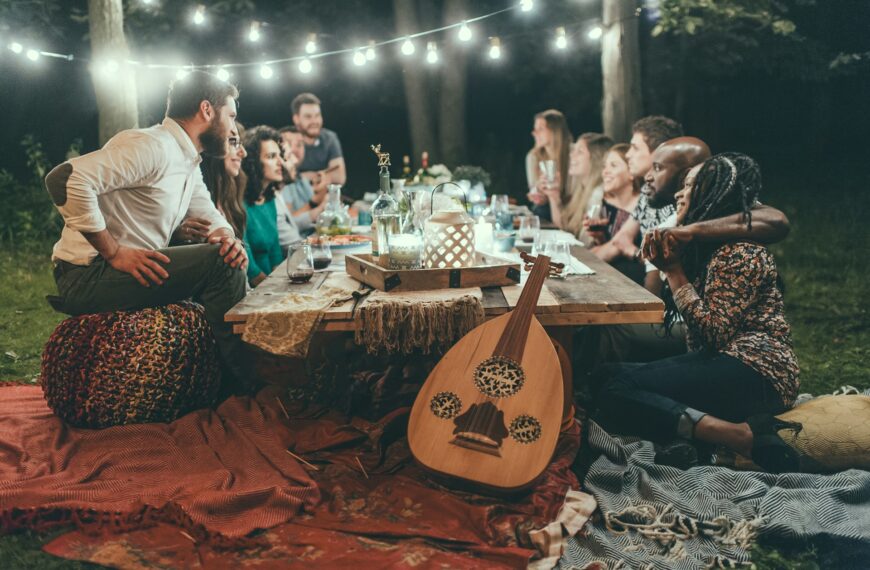
Utah’s mountain towns and growing cities bring together families with distinct languages, traditions, and migration stories. Shared cultural activities give neighbors a comfortable place to meet without requiring formal introductions or perfect fluency. A storybook, a familiar recipe, or a child’s curious question can open conversations that continue long after an event ends.
Bilingual family storytime and community cooking programs turn libraries, schools, cultural centers, and arts venues into welcoming gathering places. Children hear heritage languages in joyful settings, while parents and grandparents exchange knowledge across generations. Each event creates a practical sense of belonging rooted in conversation, creativity, and shared experience. This article will tell you more.
Stories Create a Welcoming First Connection
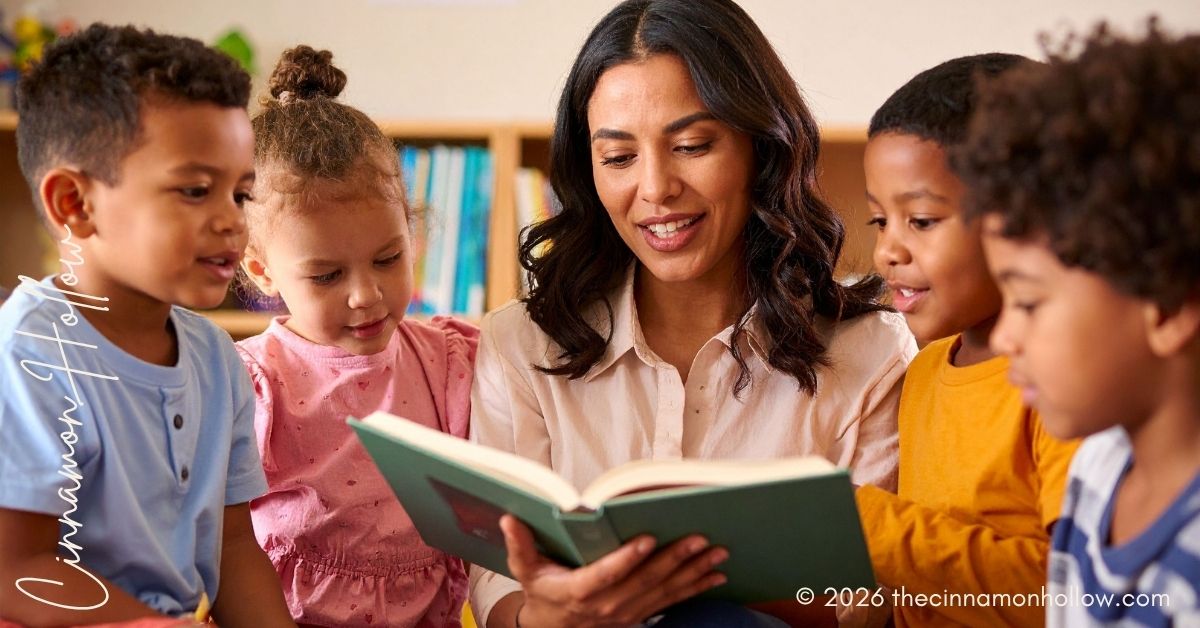
Well-planned Utah community events can pair English with Spanish, Navajo, Mandarin, Arabic, or another locally spoken language. A facilitator may read each page in both languages, invite children to repeat key phrases, and explain cultural details through pictures, music, or movement. This format allows every family to participate, even when language confidence varies.
Story selections can highlight local topography, seasonal traditions, family relationships, and folktales from represented cultures. Children gain vocabulary through context, while caregivers discover books they can revisit at home. The relaxed atmosphere also helps newly arrived residents form connections without the pressure of a formal networking program.
Thoughtful Storytime Features That Encourage Participation
Organizers can make sessions more inclusive through a few purposeful choices:
- Choose illustrated books with clear translations and culturally accurate characters.
- Provide printed vocabulary cards that families may take home.
- Invite bilingual residents, educators, authors, or elders to serve as guest readers.
- Add songs, puppets, simple crafts, or movement breaks for younger children.
- Offer seating arrangements that support wheelchairs, strollers, and multigenerational groups.
Familiar words and images can spark conversations between attendees who might otherwise leave without meeting.
The Cooking Turns Cultural Knowledge Into Conversation
Community cooking events create natural opportunities for cooperation because recipes require shared attention and small tasks. Participants can compare ingredients, discuss regional variations, and explain the memories connected with particular dishes. A tortilla, dumpling, stew, or traditional bread becomes a starting point for stories about holidays, relatives, and home communities.
Recipe cards in two languages extend the experience beyond the venue. Families can prepare the dish again, practice new vocabulary, and share the recipe with neighbors. Local chefs and home cooks may also discuss ingredient substitutions available in Utah, which makes culturally significant food more accessible.
Practical Elements for Safe, Inclusive Cooking Programs in Utah
Successful programs usually include:
- Clearly labeled ingredients, allergens, utensils, and preparation stations.
- Child-friendly jobs such as measuring, mixing, shaping, or decorating.
- Vegetarian or allergy-conscious alternatives when practical.
- Translated recipes with photographs and simple instructions.
- Time for participants to eat together and discuss what they prepared.
Careful planning keeps the activity comfortable for different ages and experience levels.
Language Access Strengthens Community Participation
The state’s linguistic diversity makes bilingual programming especially relevant. U.S. Census Bureau QuickFacts reports that 15.9% of residents in Utah age five and older spoke a language other than English at home during 2020–2024. That figure represents thousands of households whose languages can enrich public programs. Clear bilingual signage, welcoming registration practices, and culturally informed facilitators can help Utah community events reach residents who may feel overlooked by English-only activities. Consistent programming matters because trust develops through repeated, positive contact.
Bilingual stories help families hear their languages valued in public spaces. Shared recipes turn cultural differences into warm, memorable conversations. Together, these events build stronger relationships across communities.

Meg is an author at Cinnamon Hollow. She writes on a variety of topics sharing tips and ideas for daily life.