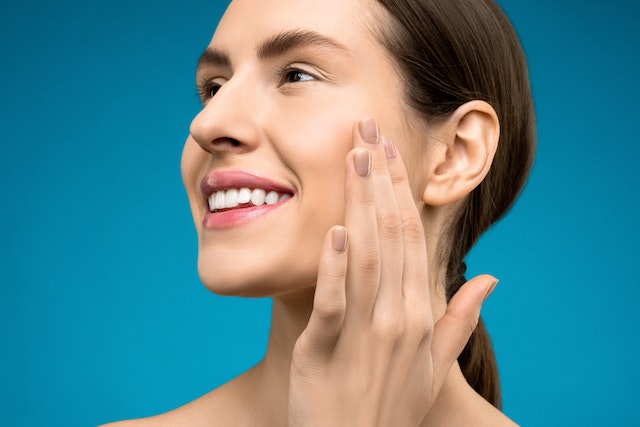
People read faces quickly. Judgments about age, energy, and health form within seconds of eye contact, and the eyes are almost always where that assessment begins. For many people in Jacksonville, the frustrating reality is not that they feel old. It is that their eyes are communicating something their inner experience does not match, and no amount of sleep or eye cream closes that gap.
Understanding what causes that tired or aged look, and what eyelid surgery actually does to correct it, is the most useful place to start.

What the Eyes Communicate About Age and Appearance
The upper eyelid is one of the first areas to show the effects of aging. As skin loses elasticity over time, it begins to descend and creates a heaviness above the eye that obscures the natural lid crease. The eye appears smaller, lower, and less open than it used to be. From the outside, this reads as tiredness or sadness regardless of what the person is actually feeling. That misread happens constantly and quietly, in meetings, in conversations, in photographs, everywhere a face is being seen and assessed by someone else.
The lower lid tells a different story but carries equal weight. Fat that cushions the eyeball shifts forward as the structural support beneath the skin weakens, creating visible puffiness or bags beneath the eye. Combined with gradual volume loss in the upper cheek, this produces a shadowed, hollow transition between the lower lid and the face below it.
That combination is one of the most consistent visual markers of an aging appearance, and it is one that no topical treatment fully corrects because the cause is structural rather than surface level.
How Blepharoplasty Addresses What Aging Does to the Eyes
Blepharoplasty, also known as eyelid surgery, is a procedure that removes or repositions excess skin, fat, and tissue from the upper eyelids, lower eyelids, or both. It is not a surface treatment. The improvement comes from directly addressing the structural changes that have accumulated over time, restoring the eye area to a position that more closely reflects how a person looks when genuinely rested.
Upper eyelid surgery targets the skin that has descended over the lid crease, creating the hooded or heavy appearance that reads as fatigue. Lower eyelid surgery addresses fat that has shifted forward to create puffiness under the eyes.
Patients often choose to have blepharoplasty in Jacksonville as an anti-aging solution because of the subtle yet tremendous impact the eyes have on appearance. Providers such as those at Coastal Cosmetic Center approach eyelid surgery with precision and deliberate restraint, building each treatment plan around the individual patient’s eyelid anatomy, skin quality, and facial structure to achieve that subtle enhancement without making the patient appear to have had surgery.
How Surgeons Determine What You Need
Not everyone who consults about eyelid surgery needs both upper and lower work done. The recommendation depends entirely on what the physical examination reveals. Some patients have significant upper lid heaviness with no lower lid concerns at all. Others have prominent under-eye bags but well-defined upper lids. Many have changes in both areas that compound each other visually.
The assessment looks at skin laxity, the amount and position of fat, the relationship between the lid and the brow, and the overall structure of the face. In some cases, a drooping brow is contributing to the appearance of upper lid heaviness, and addressing the brow position alongside or instead of the lid itself produces a more appropriate result. A thorough consultation is where those distinctions get made, and they matter significantly for both the surgical plan and the outcome.
What Blepharoplasty Recovery Looks Like
After blepharoplasty, most patients return to light daily activities within one to two weeks. Swelling and bruising are expected in the first week and resolve gradually over the following weeks. The eyes may feel tight or sensitive during the initial healing period, which is normal and temporary.
Incisions placed in natural eyelid creases or along the lower lash line are designed to fade well over time and become difficult to detect once fully healed. Patients are typically advised to avoid vigorous-intensity activities and direct sun exposure for a few weeks post-surgery, and to follow specific aftercare instructions around eye drops and sleeping position during the early recovery window.
How Long Do Results Last
Because blepharoplasty corrects a structural issue rather than masking a surface one, the results hold up significantly longer than most non-surgical alternatives. The excess skin and repositioned fat do not simply return to where they were. Aging continues, but it does so from a noticeably better starting point.
A 2024 study found that patients who underwent blepharoplasty were perceived as appearing significantly younger, more attractive, healthier, and more energetic by independent observers, with improvements noted across all measured domains. Those perception shifts are not temporary. Because the structural cause has been addressed rather than covered over, the improved appearance continues to hold relative to where the patient started, even as natural aging progresses. Most patients describe the improvement as lasting a decade or more
The Bigger Picture
The gap between how a person feels on the inside and what their eyes communicate to the outside world is one of the quieter frustrations of aging. It follows a person into every interaction and every photograph, independent of how rested or well they actually are.
Blepharoplasty closes that gap by addressing the structural cause rather than masking the symptom. For the right candidate with realistic expectations and a surgeon who prioritizes subtlety over transformation, the result is simply a face that finally reflects what has been there all along.
The owners and authors of Cinnamon Hollow are not doctors and this is in no way intended to be used as medical advice. We cannot be held responsible for your results. As with any product, service or supplement, use at your own risk. Always do your own research and consult with your personal physician before using.

Meg is an author at Cinnamon Hollow. She writes on a variety of topics sharing tips and ideas for daily life.