Eyebrow trends have shifted considerably over the past decade. The heavily sculpted, precisely arched brow that dominated the early 2010s gave way to fuller, more natural-looking shapes that work with the hair that actually grows rather than drawing over it. Brow lamination emerged at the intersection of this trend and the demand for low-maintenance, lasting results. It is now one of the most requested brow treatments at professional beauty salons, and for good reason.
Understanding what the treatment actually involves, who benefits from it, and what to expect during and after the process helps anyone considering it approach the appointment with realistic expectations and the best chance of getting results they are happy with.
What Brow Lamination Is
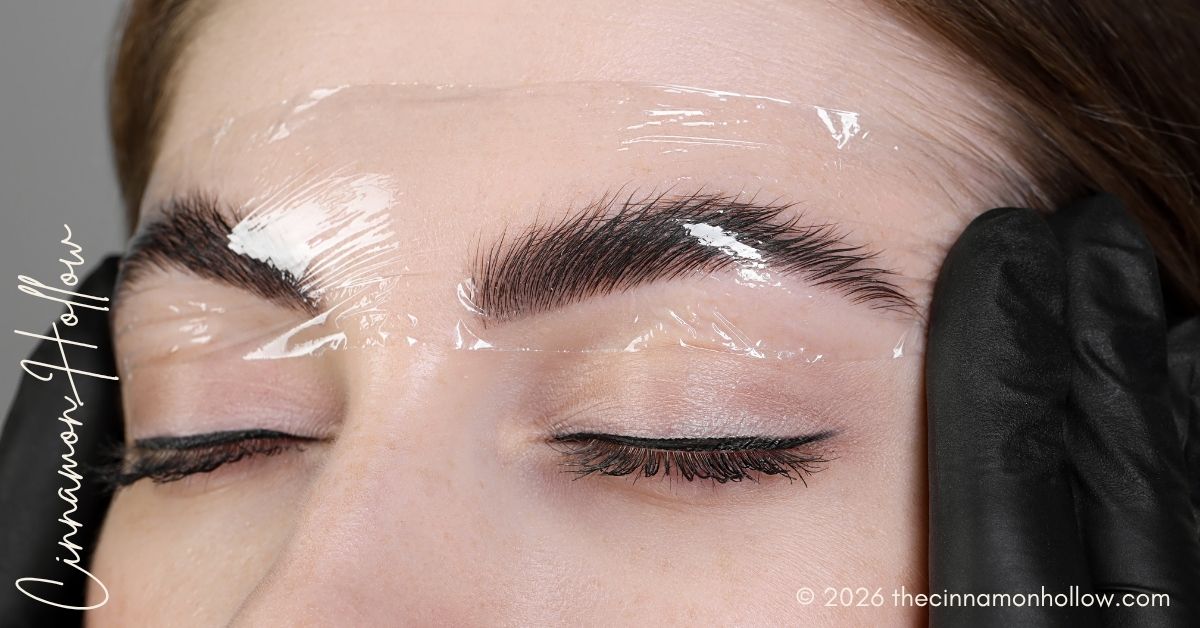
Brow lamination is a semi-permanent treatment that restructures the direction and position of brow hairs to create a more uniform, lifted, and defined shape. The treatment does not add hair, remove hair, or tint the brows, though tinting is often offered as an add-on during the same appointment. What it does is alter the internal bond structure of existing hairs, allowing them to be repositioned and held in place in a new direction.
The result is brows that appear fuller and more polished because all the hairs are oriented in the same direction, typically upward and outward in the style that has become the defining look associated with the treatment. Sparse areas fill in visually because the hairs are spread evenly across the brow width. Unruly hairs that previously grew in different directions are uniformly aligned.
How the Treatment Works
The process uses a series of chemical solutions applied in sequence to the brow hairs. The first solution softens the internal bond of the hair, making it pliable enough to be repositioned. While the hair is in this malleable state, the brow artist brushes the hairs into the desired shape and applies the fixative solution, which sets the bonds in the new position. A nourishing treatment is then applied to help restore moisture and condition the hair after the chemical process.
The entire appointment typically takes between 45 minutes and an hour, depending on whether add-ons like tinting or shaping are included. There is no downtime, but there are specific aftercare requirements for the first 24 to 48 hours that determine how well the results last.
Who Benefits Most
The treatment is genuinely useful across a range of brow concerns, and it is worth understanding which scenarios see the most significant results.
People with naturally straight brow hairs that lay flat against the skin benefit substantially. The lifting effect transforms brows that previously looked thin or sparse by standing the hairs upright, creating density and definition that was present in terms of hair quantity but not visible in the resting position of the hairs.
People with hairs that grow in multiple directions and resist staying in place with brow gel or wax find that lamination provides the directional uniformity that styling products alone cannot deliver consistently throughout the day.
People who want to reduce their daily brow grooming routine often find that laminated brows require less daily effort to look polished, since the directional setting reduces the need for extensive styling products each morning.
People with very fine, light-colored brows may find that lamination creates some visual fullness but that the effect is more subtle than for those with darker or more substantial brow hair. In these cases, combining lamination with a tint typically produces a more dramatic result.
The Professional Difference
Home brow lamination kits exist and are accessible, but the professional version of this treatment differs from DIY in ways that affect both results and safety.
The chemical solutions used in professional settings are formulated to appropriate strengths for controlled use by trained practitioners. Home kits often use lower-concentration formulas to reduce the risk of adverse reactions in untrained hands. This affects how well the hairs are actually repositioned and how long the effect holds.
The skill of the brow artist in assessing brow shape, choosing the optimal direction for the hairs, and executing the styling phase while the hair is in its pliable state determines how natural and flattering the final result looks. This does not translate easily to self-application, particularly at the back of the brow where visibility and access are limited.
Post-treatment conditioning is also handled differently in professional settings. The care taken to restore the hair’s moisture balance after the chemical process contributes to how healthy the brows remain throughout the period the lamination is in effect. Salons offering professional brow lamination in Riyadh use professional-grade formulations, trained technicians, and proper aftercare protocols that the home kit experience cannot replicate.
Aftercare
The aftercare requirements for brow lamination are specific and genuinely matter for how long the results last and how healthy the brows remain.
For the first 24 to 48 hours after the treatment, the brows should not get wet. This means avoiding steam rooms, swimming, and even heavy perspiration during exercise. Applying any product to the brows, including makeup or skincare products that would contact the brow area, should also be avoided during this initial period.
After the initial period, keeping the brows conditioned with a light brow serum or nourishing oil helps maintain the health of the laminated hairs throughout the treatment’s lifespan. Treated brows can become drier than untreated ones if the conditioning step is neglected. With proper aftercare, brow lamination typically lasts between four and six weeks before the hairs begin to return to their natural growth direction.
Frequently Asked Questions
Does brow lamination damage the brows?
When done correctly with appropriate formulations and proper post-treatment conditioning, brow lamination does not cause lasting damage. Overuse of the treatment without sufficient recovery time between appointments can weaken the hair structure. Waiting the recommended minimum interval between treatments allows adequate recovery time.
How long does brow lamination last?
Typically four to six weeks, depending on the natural hair growth cycle and how well aftercare instructions are followed. People with faster hair growth may find the results fade at the lower end of this range.
Can I get brow lamination and tinting done together?
Yes. Tinting is often done during the same appointment as lamination, typically after the lamination process is complete. Combining the two treatments maximizes results, particularly for people with lighter-colored brow hairs.
Is brow lamination suitable for everyone?
Most people are suitable candidates. Those with very short brow hairs may not have enough length for the repositioning to be effective. Anyone with active skin conditions on or around the brows, or a known sensitivity to the chemical solutions used, should discuss these with the practitioner before proceeding.
How often can I get brow lamination?
Most practitioners recommend waiting a minimum of six to eight weeks between treatments to allow the brow hairs to recover before being processed again.
Check out our Beauty videos below!


Meg is an author at Cinnamon Hollow. She writes on a variety of topics sharing tips and ideas for daily life.