A summer at camp might look like a break from “real life” — but ask anyone who’s done it, and they’ll tell you something different. Working with young people in an outdoor, high-energy environment teaches you things that no classroom or office ever could.
Employers are increasingly paying attention to experiences like this. The skills you build over a single camp season can show up on your CV, in job interviews, and in the way you carry yourself at work for years to come. Here’s how.
1. Leadership Gets Real Here
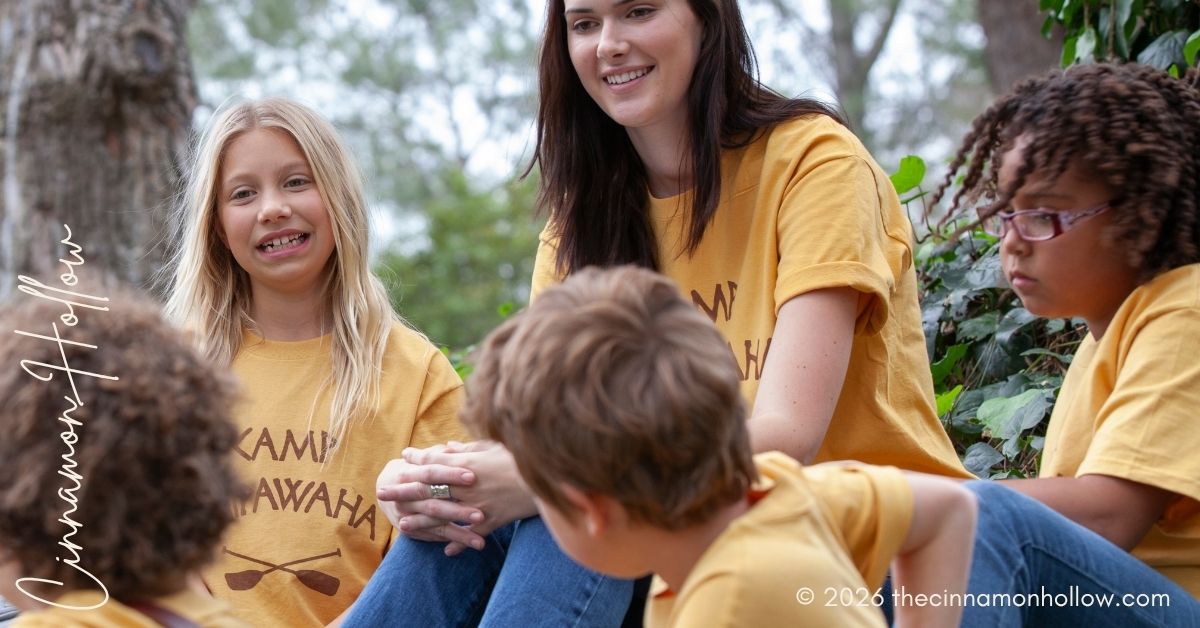
Leadership isn’t something you can learn from a textbook. You learn it when a cabin of ten-year-olds won’t settle down at midnight, or when a planned activity falls apart and you have to improvise on the spot.
Camp puts you in genuine leadership situations from day one. You’re responsible for a group of people. You make decisions. You solve problems in real time. That kind of hands-on experience is exactly what future employers in education, management, healthcare, and beyond are looking for.
2. Communication Skills That Actually Stick
At camp, you communicate constantly — with kids, parents, colleagues, and supervisors. You learn to adjust your tone depending on who you’re talking to, how to give clear instructions, and how to handle difficult conversations calmly.
These aren’t soft skills that sit in the background. Strong communication is the number one thing employers say they want from candidates. A summer of talking, listening, and adapting gives you a genuine edge.
3. You Learn to Work Under Pressure
Camp life is unpredictable. Weather changes, plans shift, and campers have needs that don’t follow a schedule. You quickly develop the ability to stay composed when things don’t go to plan.
Resilience and adaptability are two of the most valued traits in modern workplaces. Being able to say, honestly, “I’ve managed high-pressure situations with real consequences” is something most graduates simply can’t claim.
4. The CV Boost Is Genuine
A lot of young people worry their CV is too thin, especially when they haven’t had a corporate role yet. Camp experience fills that gap and it fills it well.
Young professionals who have taken on camp counselor jobs often find they have more to talk about in interviews than peers who spent the same summer in passive or low-responsibility roles.
Programmes like those offered through Camp America connect Australians with structured camp placements that carry real professional weight back home.
5. Emotional Intelligence Grows Fast
Spending weeks with children from different backgrounds, needs, and personalities develops something that’s hard to fast-track: emotional intelligence. You learn to read a room, notice when someone’s struggling, and respond with patience rather than frustration.
According to Harvard Business Review, emotional intelligence accounts for nearly 90% of what sets high performers apart from peers with similar technical skills. Camp is one of the few environments where you genuinely develop it through daily practice.
6. Teamwork at Its Most Honest
You’re not just working alongside colleagues at camp — you’re living with them. That creates a much deeper experience of what real teamwork looks like: navigating disagreements, dividing responsibilities fairly, and having each other’s backs when things get tough.
The ability to collaborate under genuine pressure — not just in a group project with low stakes — is something most employers can instantly spot when you describe it.
7. It Opens Doors You Didn’t Expect
Beyond the skills, a camp season often connects you with a surprisingly wide network. Fellow counsellors come from all over the world, and many go on to careers in education, sport, business, healthcare, and the arts.
Some of those connections turn into references, collaborations, or job leads years later. The network you build at camp is informal but surprisingly durable — people who went through something meaningful together tend to stay in touch.
Here’s a snapshot of career fields where camp experience gives you a head start:
- Teaching and early childhood education
- Sports coaching and recreation management
- Youth work and social services
- Corporate training and HR
- Event management and hospitality
Final Thoughts
A summer at camp is so much more than a fun detour. It’s a concentrated period of real responsibility, real relationships, and real growth. The skills you come home with — leadership, communication, resilience, emotional intelligence — are the exact ones that separate strong candidates from average ones.
If you’re weighing up how to spend your next summer, don’t underestimate what this kind of experience can do for your future. Sometimes the most valuable career move doesn’t look like one at first glance.

Meg is an author at Cinnamon Hollow. She writes on a variety of topics sharing tips and ideas for daily life.