One of the most common questions women ask before getting breast implants is whether the results will look natural. It’s a fair concern. Everyone has seen examples of augmentation that looks obvious, even overdone. But the women who are quietly happy with their results — the ones whose augmentation nobody notices because it just looks like their body — those outcomes exist too. The difference between the two comes down to several specific decisions made before and during surgery.
Whether you’re consulting with a surgeon in San Diego or anywhere else, natural-looking results come down to implant size relative to your frame, implant type, placement, incision choice, and the surgeon’s judgment in putting all of those pieces together for your specific anatomy.
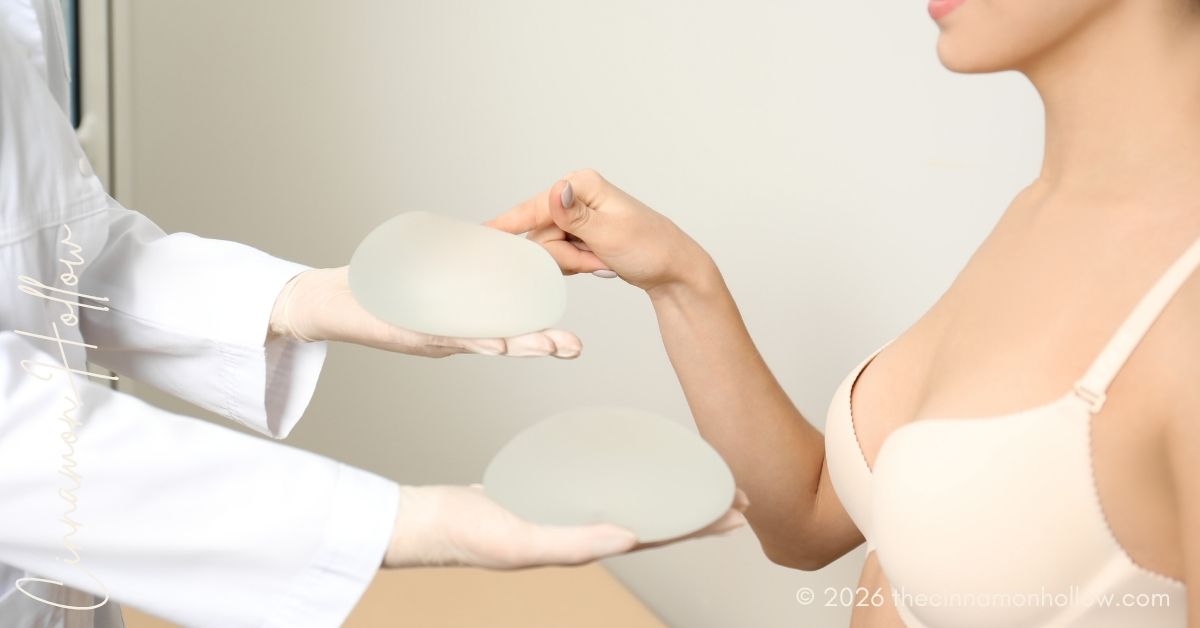
Implant Size Relative to Your Body Frame
The single most important factor in whether implants look natural is whether the size chosen makes sense for the person’s body. An implant that’s too large for someone’s frame will always look disproportionate, no matter how skilled the surgeon. A size that fits the chest width, shoulder width, and natural breast base diameter tends to integrate with the body in a way that just looks right.
This is why the consultation process matters so much. In practice, surgeons specializing in breast implants in San Diego tend to recommend a size based on detailed measurements of chest width, shoulder width, and the natural breast base diameter, all of which are assessed during the consultation rather than left to guesswork. Looking at before and after photos of patients with similar body types, and trying on sizers during the consultation, also helps give a realistic sense of what a specific volume will actually look like on you.
Implant Type: Saline Versus Silicone
Silicone implants tend to look and feel more like natural breast tissue than saline implants, which is why they’re the more popular choice for women who prioritize a natural appearance. Silicone gel has a consistency closer to breast tissue, and it moves more naturally with the body.
Saline implants can look less natural, particularly in women with very little existing breast tissue, because the implant shell is more likely to be felt or seen. They do have their advantages, including a shorter incision and the fact that a rupture is easy to detect. But for most women focused on natural results, silicone is the more reliable path.
Implant Placement
Where the implant is placed relative to the chest muscle makes a significant difference in the final appearance. Submuscular placement, where the implant sits beneath the pectoral muscle, tends to produce a more natural look because the muscle provides an extra layer of coverage over the top of the implant. This is especially important for women with minimal natural breast tissue who don’t have much to soften the upper edge of the implant.
Subglandular placement, where the implant goes over the muscle but under the glandular tissue, can produce a more projected look and may suit women who already have sufficient natural breast tissue to provide coverage. The right choice depends on the individual’s anatomy, not a general preference.
The Incision Location
The incision used to place the implant affects where any scarring ends up, but it doesn’t directly impact how the implants look once healed. The most common incision is along the inframammary fold, the crease under the breast, which heals well and can accommodate all implant types and sizes. Other options include the periareolar incision around the areola and the transaxillary incision in the armpit, which leaves no scar on the breast itself.
The consultation process involves detailed measurement and customized recommendations based on chest width, existing breast tissue, skin quality, and the patient’s goals, so the incision choice, implant type, and placement all work together rather than being selected in isolation.
The Surgeon’s Eye and Experience
Two patients with identical measurements and identical implants can end up with different results based on how the surgeon approaches the procedure. The technical precision of the pocket creation, the symmetry of placement, and the judgment calls made during surgery all contribute to the outcome.
This is why board certification, specific experience in breast augmentation, and the ability to show consistent before-and-after results across a range of patients matter so much when choosing a surgeon. A consultation with a practice like Coastal Plastic Surgeons should cover implant type, placement, and sizing as interconnected decisions rather than separate choices. Looking at a gallery of real patients with similar body types to your own gives you the most honest preview of what you can actually expect.
Final Words
Natural-looking results also depend on what “natural” means to the person getting the procedure. Someone who wants a subtle increase that no one would guess is augmented needs different decisions than someone who wants a more noticeable change. Both are valid, and both are achievable. But the decisions that lead to each outcome are different, and they need to be made intentionally during the consultation rather than left to chance.
The final result is always a combination of the patient’s anatomy, the implant choices, the surgical technique, and the healing process. Getting all of those aligned in a single, personalised plan is what makes the difference between a result that looks natural and one that doesn’t.
The owners and authors of Cinnamon Hollow are not doctors and this is in no way intended to be used as medical advice. We cannot be held responsible for your results. As with any product, service or supplement, use at your own risk. Always do your own research and consult with your personal physician before using.

Meg is an author at Cinnamon Hollow. She writes on a variety of topics sharing tips and ideas for daily life.