Getting a new product out into the world can feel thrilling for about five minutes. Then reality shows up with a clipboard.
Engineers have to juggle customer expectations, cost targets, safety rules, supplier issues, timelines, and manufacturing limits. Meanwhile, competitors are not politely waiting around. Add in global supply chains, fast prototype cycles, software dependencies, and new digital tools, and even a simple product can become a knot pretty quickly.
This guide walks through the biggest product development challenges and engineering challenges in product design that teams run into. More importantly, it looks at practical ways to keep work moving without blowing the budget, watering down quality, or losing customer trust when the pressure starts to climb.
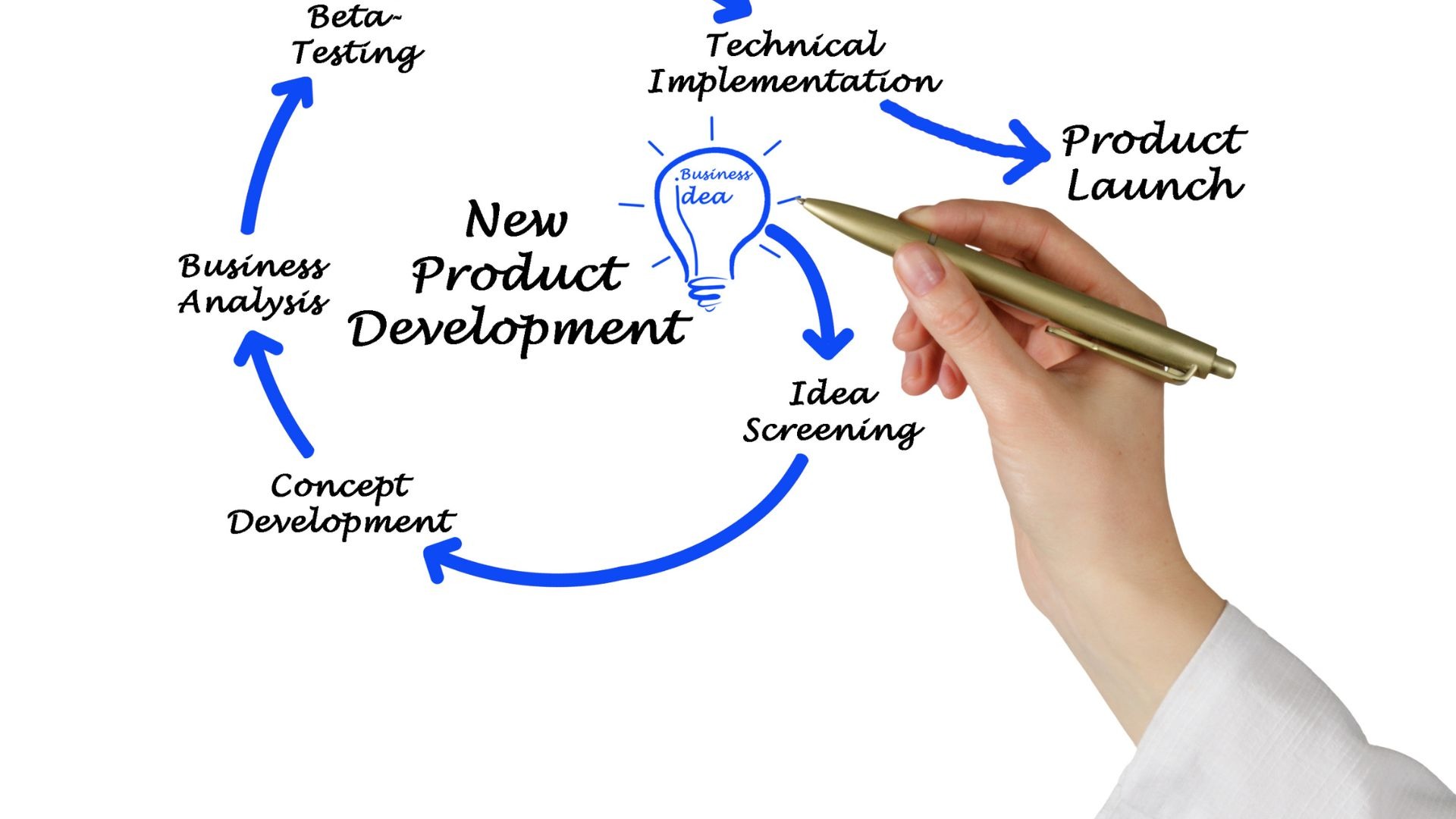
Handling Product Development Pressure Before It Spreads
Pressure in product development is not just a “bad week” feeling. You can measure it.
Gartner reported: “85 % of respondents cited reducing product development cycle times as an important priority in 2024, yet only 52 % of leaders felt confident in their organization’s ability to address this priority.”
That gap says a lot. Most teams know they need to move faster. Far fewer feel ready to do it well.
Early Prototype Gaps
A prototype is not a victory lap. It is a conversation starter.
Good prototypes reveal the awkward stuff: parts that do not fit, assemblies that take too long, weak areas, confusing controls, or surfaces that look fine on-screen but feel wrong in someone’s hand.
Using quality 3d printing services for early samples and fixture checks helps teams test fit, form, and assembly ideas quickly before committing to expensive tooling.
That fast feedback loop can save a project from heading down the wrong road. And if you have ever watched a “simple” design change turn into a two-week scramble, you know how valuable that is.
Shifting Market Needs
Customers change their minds. Markets shift. A feature that looked essential in January may feel bloated by June.
Your team might begin with a crisp product brief, only to learn that buyers care more about lower cost, quicker shipping, or a simpler setup. Annoying? Sure. Useful? Absolutely.
That is why early interviews, rough mockups, and small user tests matter so much. They give engineers a chance to challenge assumptions while changes are still cheap. It is much better to learn that a feature misses the mark during a sketch review than after tooling is already paid for.
Time-to-Market Stress
Fast launches are tempting. They also invite shortcuts.
The trouble is that shortcuts rarely disappear. They come back as defects, late design changes, customer complaints, or manufacturing headaches. The smarter move is not to ask engineering to “just go faster.” It is to let design, sourcing, testing, and manufacturing planning move in parallel.
When speed becomes a system issue instead of one department’s burden, teams make better calls. After that, the product design itself has to hold up under real-world limits.
Solving Design and Prototyping Problems
A design can look beautiful in CAD and still be a nightmare to build.
Parts must be manufactured, inspected, shipped, assembled, serviced, and used by actual people who may not treat them gently. This is where many new product development problems stop being theoretical and start showing up as cost, delay, and rework.
Design for Manufacturability
A product can hit every performance target and still be miserable to produce.
Maybe the tolerances are too tight. Maybe the material is hard to source. Maybe the fastener choice makes assembly slow. Maybe a sharp internal corner looks harmless but complicates tooling.
Early DFM reviews catch these issues before they become expensive. Supplier feedback is especially useful here. The people who make parts every day often spot problems long before they appear in formal testing.
A good rule of thumb: if manufacturing says, “This might be tricky,” listen closely.
Technical Feasibility
Requirements are important, but they do not bend physics.
Miniaturization, heat management, battery life, sensor accuracy, software integration, and material performance can all slow progress. Sometimes the concept is sound, but the technology is not ready to deliver consistently at the target cost or scale.
Hexagon reported that “98 % of manufacturers report at least one issue with data within their organization.”
That matters because bad data quietly poisons decisions. It makes simulations less reliable, quotes less accurate, and revision control more chaotic than it needs to be.
Compliance Readiness
Certifications should not appear at the end of the project like an unexpected final boss.
ISO, CE, FDA, UL, and other requirements may affect material choices, testing plans, documentation, labeling, suppliers, and even product architecture. If teams ignore compliance early, they often pay for it later with redesigns and launch delays.
A simple compliance map at the beginning can prevent a lot of pain. Once the product design is more stable, the next challenge is keeping people aligned while the work moves forward.
Keeping Teams, Budgets, and Decisions Aligned
Even excellent technical work can stall when teams operate in silos.
Many challenges faced by engineers have less to do with pure engineering and more to do with unclear ownership, late feedback, scattered files, and decisions made without the right people in the room.
Remote and Cross-Discipline Work
Mechanical, electrical, software, quality, sourcing, and manufacturing teams often see the same product through very different lenses.
That is normal. The problem starts when those groups do not share the same project language. Remote work can make this harder if notes live in one tool, drawings in another, decisions in chat threads, and action items in someone’s memory. We have all seen that movie. It does not end well.
Short design reviews, shared issue logs, and clear decision owners help keep things grounded. It sounds simple because it is. But simple coordination prevents a surprising amount of waste.
Budget Control
Innovation needs breathing room. Budgets need fences.
Teams should track more than direct spend. Rework, prototype cycles, open technical risks, supplier delays, and testing failures all affect the real cost of development.
Scaling from Prototype to Manufacturing
A prototype proves that something can work. Production proves that it can work again and again.
That jump is where many engineering product development issues suddenly become visible. What worked once on a bench may not hold up across hundreds or thousands of units.
Prototype-to-Production Transfer
Hand-built prototypes can hide small problems.
A skilled engineer or technician may unconsciously adjust a part, trim a component, or force a fit. Once production begins, those tiny workarounds turn into scrap, warranty claims, training problems, or missed schedules.
Pilot runs create a safer bridge. They let teams test tooling, operator steps, inspection points, packaging, supplier timing, and assembly flow before full production ramps up.
Think of it as a rehearsal. You want the awkward mistakes to happen before opening night.
Supply Chain and Materials
Supply chain surprises have a way of arriving at the worst possible moment.
A resin, chip, coating, fastener, gasket, or sensor may seem easy to buy during development, then suddenly become scarce. If the design depends on that one item, the team may be forced into a redesign under pressure.
The safer approach is to approve alternate materials and backup suppliers early. Teams also need supplier updates that are direct, current, and honest. Rosy progress reports are not helpful if they collapse a week before launch.
Long-Term Quality
Launch day feels like a finish line, but it is really the start of the next learning cycle.
Returns, field failures, service calls, reviews, and customer complaints show how the product behaves outside controlled testing. Sometimes the feedback is humbling. That is fine. Humbling data is still useful data.
Smart sensors, service logs, and customer feedback loops can turn post-launch information into better future designs. The trick is to use modern tools without letting them replace engineering judgment.
Using Modern Tools Without Losing Engineering Judgment
AI, simulation, digital twins, and cloud platforms can speed up learning. Used well, they help teams see patterns earlier and test more ideas with less waste.
But tools are not magic. They do not replace experience, judgment, or the uncomfortable but necessary question: “Does this actually make sense?”
AI, Simulation, and Digital Twins
AI can identify patterns in test data, suggest design directions, and flag possible failure points. Simulation can help teams evaluate heat, stress, motion, fluid flow, or wear before a physical prototype exists.
Digital twins add another layer by comparing the intended design with real production or field behavior. That can reduce guesswork, especially when teams are spread across multiple sites.
Still, the best results come when engineers treat these tools as support, not authority. Software can point you toward a problem. People still need to understand it.
Sustainable Product Choices
Sustainability works best when it starts early.
Recyclable materials, lower-waste processes, repairable assemblies, and lighter packaging are much harder to add after the design is nearly frozen. By then, every change seems to pull on five other decisions.
Good sustainable design does not have to weaken performance. In many cases, it reduces material use, shipping cost, and long-term risk. That is not just good ethics. It is often good engineering.
Vendor and Quality Partnerships
Strong suppliers do more than take orders.
They can point out tolerance risks, tooling concerns, material substitutes, inspection gaps, and process limits before those issues become expensive. That kind of feedback is gold if teams invite it early enough.
Shared standards, clear drawings, and early quality planning reduce surprises. And in product development, fewer surprises usually means fewer late nights and fewer painful calls with customers.
Final Thoughts on Better Product Development
New products rarely fail because of one single mistake. More often, several small issues pile up.
Market needs shift. Designs prove harder to build than expected. Teams drift out of sync. Suppliers miss details. Production exposes problems the prototype never showed.
The best teams do not pretend uncertainty will disappear. They test it. They use customer feedback, DFM reviews, quick prototypes, clean data, careful supplier planning, and steady quality checks to find weak spots early.
Digital tools can help, but only when paired with clear thinking and practical habits. When engineers treat risk as something to investigate instead of something to fear, better products reach customers with fewer expensive surprises.
Common Questions About Product Development Challenges
What are the 14 grand challenges for engineering?
The 14 grand challenges include clean water, better medicine, secure cyberspace, affordable solar energy, carbon management, better infrastructure, advanced learning, reverse-engineering the brain, fusion energy, nuclear security, virtual reality, health informatics, personalized learning, and better scientific discovery tools.
What are the biggest challenges you currently face as a developer in your organization?
Common developer experience challenges include tool sprawl and legacy infrastructure, complexity of modern stacks and workflows, friction from security and compliance hurdles, and unclear requirements with workflow interruptions. These slow delivery and make focused technical work harder.
What are innovative ways engineers can reduce new product development problems?
Engineers can reduce risk with early customer testing, rapid prototyping, DFM reviews, simulation, pilot production, and stronger supplier collaboration. The goal is simple: find weak assumptions early, when changes are still cheaper and easier to make.