Plenty of us have started a workout plan on Monday and quietly dropped it by Thursday. The plan may have been too long, too dull, or too difficult to fit into daily life. A routine that survives busy weeks and rainy mornings is one you don’t mind doing again. Instead of asking which workout burns the most calories, consider which one you would happily repeat on Wednesday.
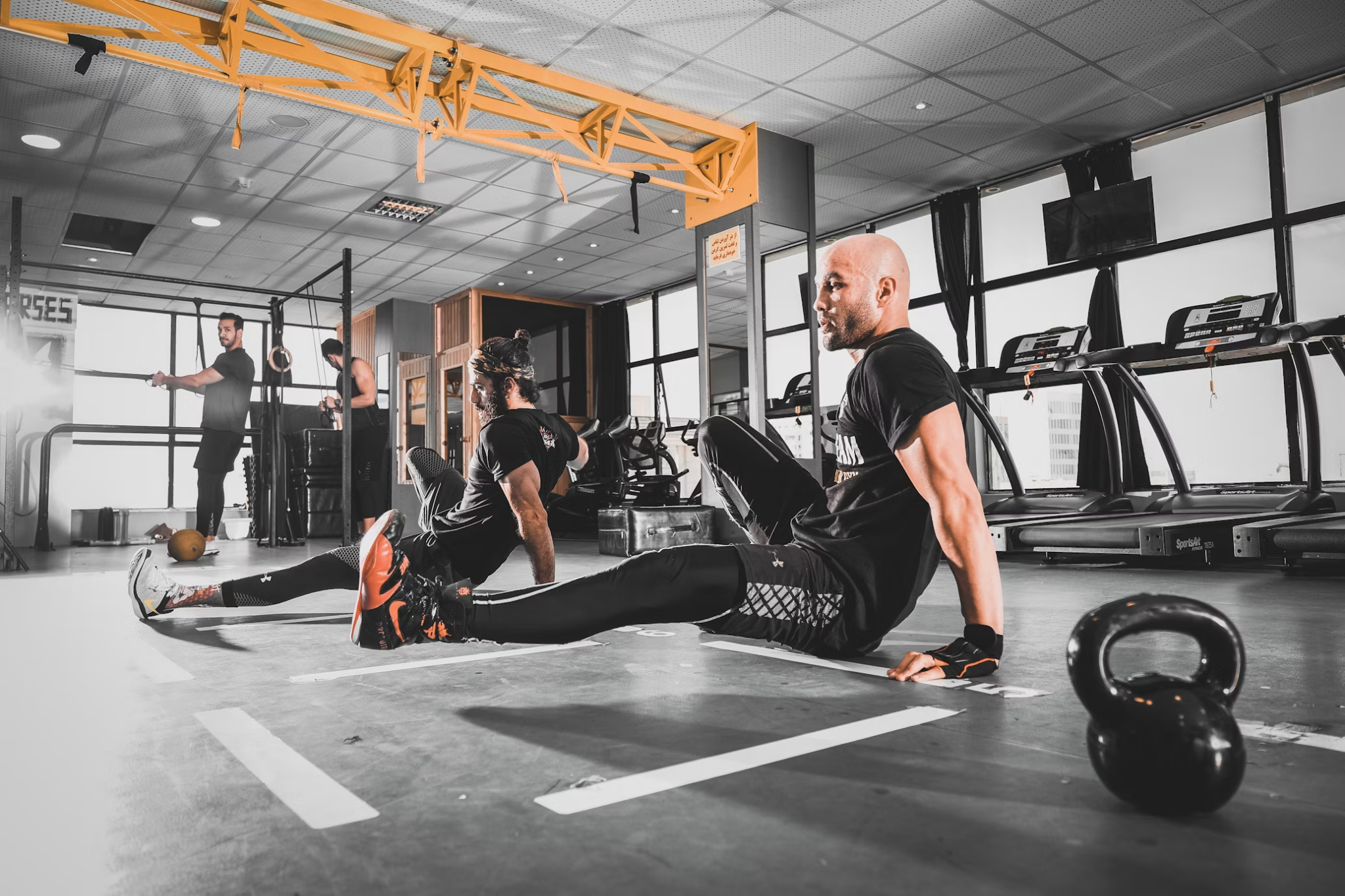
Why enjoying your routine beats chasing the perfect one
Consistency matters more than perfection. The CDC notes that any amount of physical activity can offer health benefits. You can also divide your weekly activity into short sessions, so 10 minutes before work and 10 minutes after dinner still count.
Enjoyment makes those sessions easier to repeat. If you dread a plan, you’ll look for reasons to skip it. If you like how it feels, you’re more likely to protect time for it.
The beginner blueprint: train for daily life
Functional movement means practicing actions your body already performs, such as sitting, standing, bending, pushing, pulling, turning, and carrying. Cleveland Clinic describes functional strength training as exercise that reflects daily activities. UCLA Health also notes that it can often be done without specialized equipment. For beginners, the goal is to perform ordinary movements with greater control, strength, and confidence.
A 20-minute starter routine
Try this routine two or three days a week. Warm up for three or four minutes with easy walking, shoulder rolls, and slow arm reaches. Then complete the following circuit twice, resting whenever you need to:
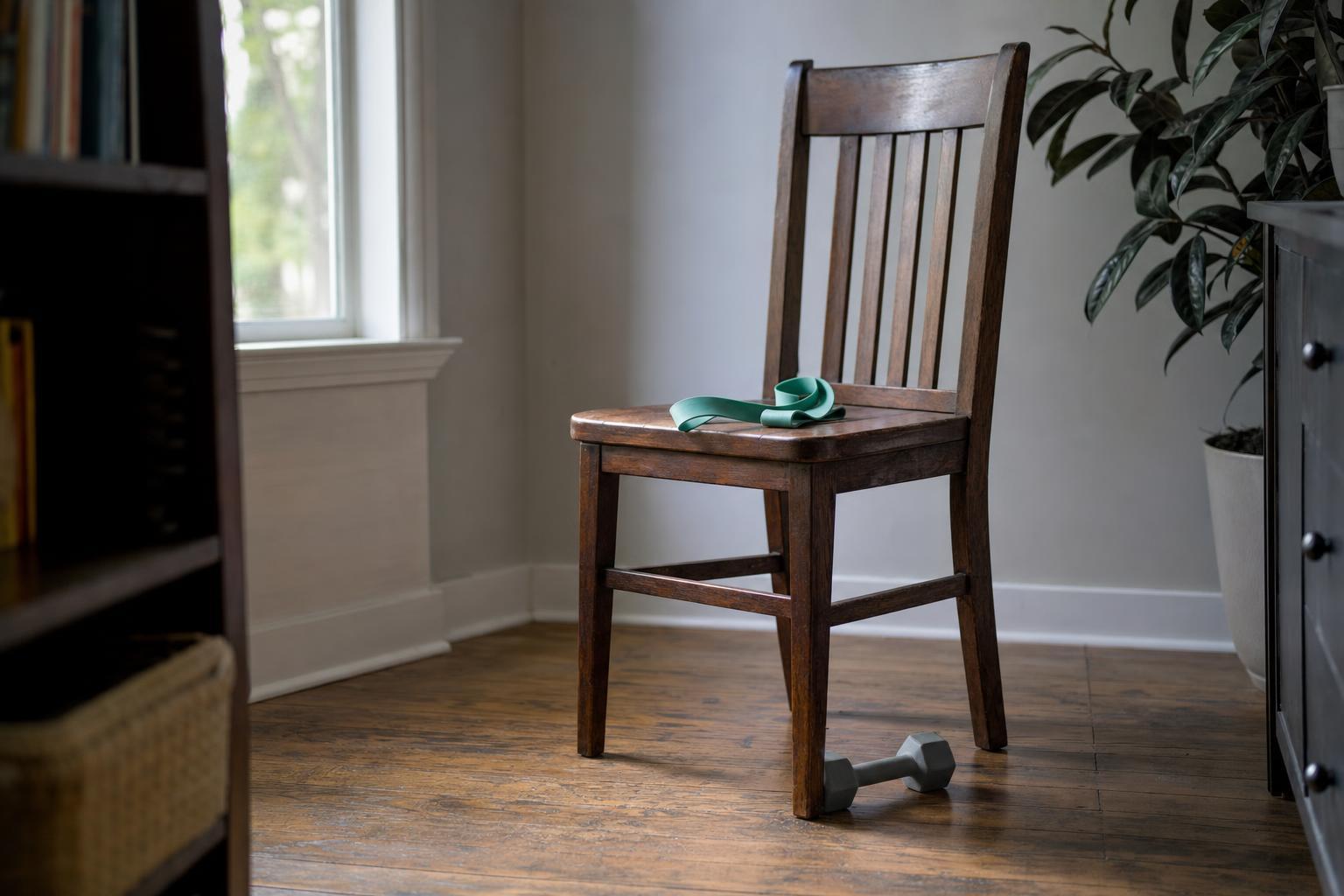
- 8 to 12 sit-to-stands from a sturdy chair
- 6 to 10 incline push-ups against a stable counter
- 8 to 12 hip hinges while holding a light weight or securely closed backpack
- 30 to 40 seconds of carrying light dumbbells or filled water bottles
- 8 to 12 resistance band rows
Cool down with a slow walk and a few gentle stretches. Afterward, rate the session on a scale from 1 to 10 and note whether you could still hold a conversation.
Build your plan in four steps
1. Pick a cardio activity you like
Walking, cycling, swimming, and dancing all count. General guidance for adults recommends at least 150 minutes of moderate activity or 75 minutes of vigorous activity each week, plus muscle-strengthening exercise on two or more days. You don’t have to reach that target immediately. Begin with short, manageable sessions and build from there. For a change of pace, try aqua fitness with a water-filled training bag and its shifting load.
2. Choose four strength moves
Select four exercises from the starter circuit and repeat them throughout the week. Familiar exercises are easier to schedule, track, and improve than a constantly changing routine.
3. Set a schedule you believe
A practical week might include two strength sessions, short cardio sessions on several days, and one optional activity that feels fun. Mayo Clinic recommends a balanced plan that includes aerobic fitness, strength, core work, balance, and flexibility. You can cover those areas without making every workout long or complicated.
4. Lower the friction
Keep your initial goal small, such as 10 to 20 minutes. Mark sessions on a calendar, leave your shoes by the door, and decide in advance when you’ll exercise. A simple plan is easier to follow when motivation is low.
Optional gear that keeps things interesting
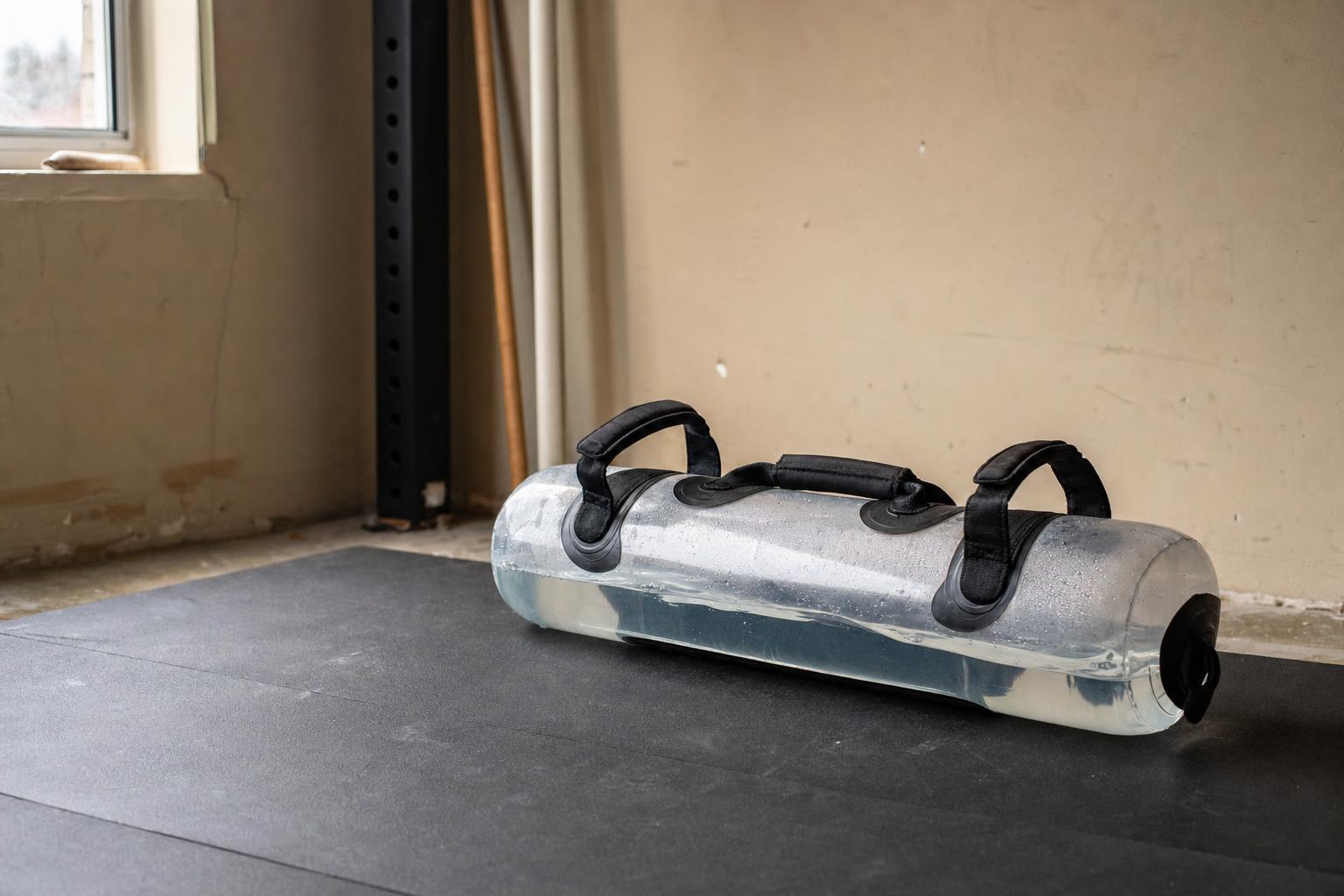
If you enjoy shifting resistance, you could try water-based training with a water-filled training bag. Fluid X makes adjustable aqua bags that can be used for carries, presses, hinges, and squats. Because the water moves inside the bag, each exercise also asks you to control the load as it shifts.
A Fluid X bag can be filled to a manageable level and adjusted as your strength improves. Less expensive options include a resistance band for rows and pulling exercises or a pair of light dumbbells for hinges and carries.
Coaching, classes, and a little company
Some people are comfortable exercising alone with a timer. Others benefit from a scheduled class, a supportive group, or an instructor who can check their form. A class at a set time can also be easier to attend than a vague plan to exercise sometime during the week.
Skill-based training can be appealing if learning something new feels more interesting than counting repetitions. A boxing coach, for example, may combine cardio, coordination, technique, and strength work. For readers in Hong Kong, The G.O.A.T. Boxing Club in Central offers one-on-one boxing and kickboxing sessions, along with strength and conditioning programs. The private format at The G.O.A.T. Boxing Club may suit beginners who want direct instruction and exercises adapted to their current ability.
Keep it safe and comfortable
The talk test is a practical way to judge effort. During moderate activity, you should be able to talk but not sing. During vigorous activity, you may only be able to say a few words before pausing for breath.
Choose exercise variations that feel comfortable in your joints and that you can perform with control. Some people find reverse lunges more comfortable than forward lunges, while others prefer supported squats or step-ups. There is no need to force a particular movement if another option trains the same general pattern without discomfort.
Adjustable equipment can help you manage the challenge. A Fluid X bag can be partially filled when you want a lighter load. A qualified coach at a community gym or a private studio such as The G.O.A.T. Boxing Club can suggest appropriate exercise variations and check your technique. A personal boxing trainer can offer similar direct instruction.
Stop exercising if you experience sharp pain, dizziness, chest pain, or unusual shortness of breath. If you’re new to exercise, returning after a long break, or managing a chronic condition, speak with a qualified clinician before starting vigorous activity.
The routine you repeat is the one that works
You don’t need a perfect program. You need a few useful movements, an activity you enjoy, and a schedule that fits your life. Start with one 10- to 20-minute session this week, then repeat it. Once the routine feels normal, you can gradually add time, resistance, or another day.
FAQs
How many days a week should a beginner exercise?
Two strength sessions plus short walks or other light activity on several days is a manageable starting point. Add another session only when the current schedule feels sustainable.
What if I only have 10 minutes?
Use the time you have. Short sessions add up across the week and help maintain the habit on days when a longer workout isn’t practical.
How do I know if I’m pushing too hard?
If you can’t speak in short sentences, reduce the intensity. Sharp pain, dizziness, unusual shortness of breath, or soreness that lasts for several days are also signs to stop, recover, and reassess your plan.
Should I rest between strength workouts?
Yes. Leave time for recovery between sessions that work the same muscles, especially when you are getting started. Easy walking, stretching, or another comfortable activity can still fit on rest days.
The owners and authors of Cinnamon Hollow are not doctors and this is in no way intended to be used as medical advice. We cannot be held responsible for your results. As with any product, service or supplement, use at your own risk. Always do your own research and consult with your personal physician before using.

Meg is an author at Cinnamon Hollow. She writes on a variety of topics sharing tips and ideas for daily life.