Entertainment isn’t just a line item on your run sheet—it’s one of the fastest ways to tell guests what kind of experience they’re about to have. The right choice can make a modest venue feel electric, encourage strangers to mingle, and carry the energy from arrival drinks to last orders. The wrong choice? It can create awkward gaps, compete with speeches, or leave a room full of people politely checking their phones.
So how do you choose entertainment that genuinely fits your event rather than just filling time? Start by thinking like a producer, not a shopper: you’re shaping mood, pacing, and memory.
Start With the “Tone” You Want Guests to Feel
Before you look at bands, DJs, or performers, define the emotional arc. Ask yourself: what should it feel like in the room at three key moments?
1) Arrival: first impressions matter
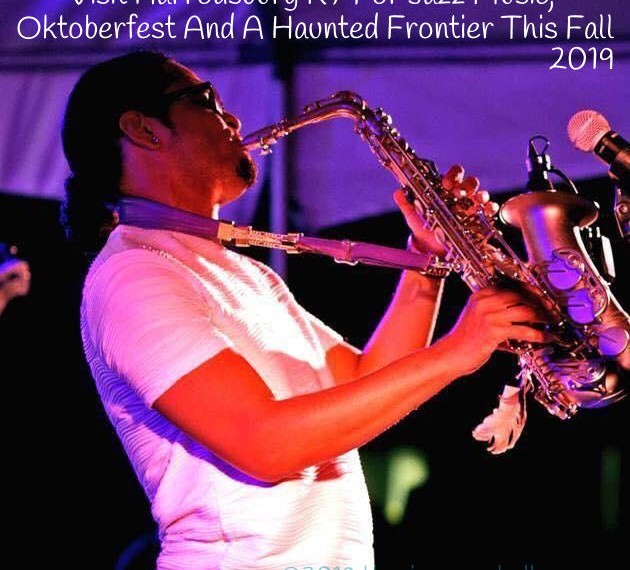
When guests walk in, you’re setting expectations. Do you want “calm and elevated” (soft jazz trio, acoustic duo, curated playlist at low volume)? Or “buzzing and social” (upbeat DJ set, roaming sax, interactive performer)?
A common mistake is choosing something impressive that’s simply too intense for the first 20 minutes. If people can’t hear each other say hello, they’ll disengage.
2) Peak moment: where energy should climb
Every event has a point where you want the room to lift—after dinner, post-awards, at the end of a conference day, or once the couple has done the first dance. Entertainment should support that transition. This is where higher-impact options (full band, DJ plus live percussion, headline act) make sense.
3) Close: how you want it remembered
Do you want a big finale, or a gentle landing? A high-energy closing set leaves people buzzing. A relaxed wrap-up (late-night lounge vibe) keeps it classy and conversation-friendly.
Match Entertainment to the Format (Not Just the Theme)
A “Great Gatsby” theme doesn’t automatically mean a swing band. What matters is your format: speeches, networking, dining, dancing, brand moments, and timing.
Corporate events: clarity beats volume
If there are presentations, entertainment must respect the schedule. Consider:
- background sets that can dip instantly for announcements
- performers used as “chapter breaks” between sessions
- an after-party format where sound and lighting can finally scale up
Also think about audience diversity. A multi-generational crowd often responds better to familiar anchors—recognisable choruses, singalong moments—than obscure genre purity.
Weddings and private parties: momentum is everything
Private events succeed when transitions are smooth: drinks to dinner, dinner to speeches, speeches to dancing. The best entertainment partners are the ones who understand pacing—when to build, when to hold back, and when to let guests lead.
Fundraisers: entertainment should reinforce the cause
If you’re raising money, entertainment isn’t just “fun”—it’s part of the persuasion. Live auction moments, surprise performances, and carefully timed music cues can increase participation because they heighten emotion and attention.
Think in Layers: Music, Moments, and Interaction
The most engaging events rarely rely on a single entertainment element. They combine layers that change the texture of the night.
Music as the base layer
Music does the heavy lifting: it fills silences, supports conversation, and drives dancing. Decide early whether you need:
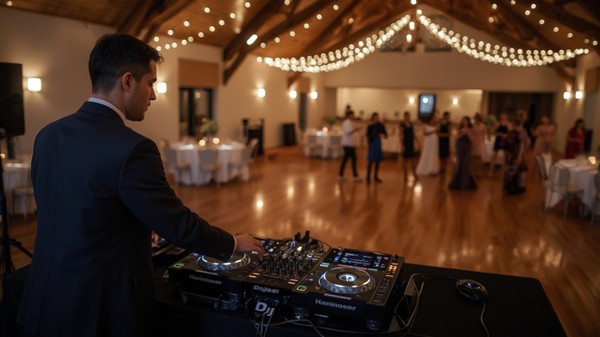
- a DJ (flexible, wide repertoire, great for pacing)
- a live band (visual impact, organic energy)
- a hybrid (DJ plus live instruments for “best of both”)
“Moment makers” guests will talk about
These are short, high-impact elements—ten minutes can be enough. Think: a surprise sax set during the dancefloor peak, a roaming magician during drinks, or a short cultural performance that fits the audience.
Interaction level: do you want participation?
Not every room wants to be pulled on stage. Some crowds love it; others hate it. As a rule, the more formal the event, the more “opt-in” your interaction should be (roaming performers, subtle prompts, photo moments) rather than forced participation.
Source Talent Like a Planner: Fit, Proof, and Practicalities
Once you know the vibe and structure, your job is to reduce risk. This is where many organisers get caught: they book based on a highlight reel and forget the operational details that make a performance land well.
Around this stage, it helps to browse options the way an event producer would—by outcomes and formats, not just by performer type. For example, you can explore music and entertainment solutions for live events to get a clearer sense of how different DJ setups and performance styles map to different room sizes, schedules, and guest expectations.
Ask for evidence, not just enthusiasm
A strong act can still be wrong for your event. When speaking to entertainers, ask:
- What’s a typical timeline for a night like ours?
- How do you handle requests, diverse age groups, or a “light dancefloor” crowd?
- Can you share footage from events with similar demographics and room layouts?
Confirm the unglamorous details
This is where tone can live or die:
- Sound limits and acoustics: Old buildings, marquees, and hotels behave differently. A great DJ in a concrete box can sound harsh without tuning.
- Space and staging: A five-piece band needs more footprint than you think—especially with safe cable runs.
- Power and access: Load-in routes, set-up time, and power supply should be confirmed early to avoid day-of stress.
Budget for Impact, Not for Ego
Spending more doesn’t automatically mean a better atmosphere. The smartest budgets prioritise what guests actually experience.
Put money where guests feel it
Often, modest changes outperform expensive headline ideas:
- better sound coverage (so the whole room feels included)
- lighting that flatters people and builds energy (uplighting + dancefloor effects)
- a confident MC who can guide the room without cringing it out
If your budget is limited, choose one “hero” moment and keep the rest polished and simple. Guests remember contrast: calm drinks, great meal, then a sudden lift into something fun.
Make a Final “Tone Check” Before You Book
Before you sign anything, do a quick alignment test. Close your eyes and imagine the room at peak time—are you seeing the same event the entertainment is selling you?
One simple way to sanity-check your choice is to describe your event in three adjectives (e.g., “warm, modern, energetic”). If the entertainment doesn’t naturally match those words, you’ll spend the whole night fighting the vibe.
Choosing entertainment is ultimately about empathy: understanding your guests, your schedule, and your space. Get that right, and the music—or the performer, or the surprise moment—won’t just fill the room. It’ll define it.