A gutter that matches the trim still needs to handle the water leaving the roof. Before choosing a color, look at where runoff collects, how the roof edges meet, and where downspouts would discharge. Those details give the installer a starting point for specifying a system that fits the house.
With custom-fit gutter systems, continuous sections are made to match individual roof edges, reducing the number of joints along each run. Choosing them involves more than measuring length. Material, channel size, outlet placement, and fastening details all belong in the installation discussion.
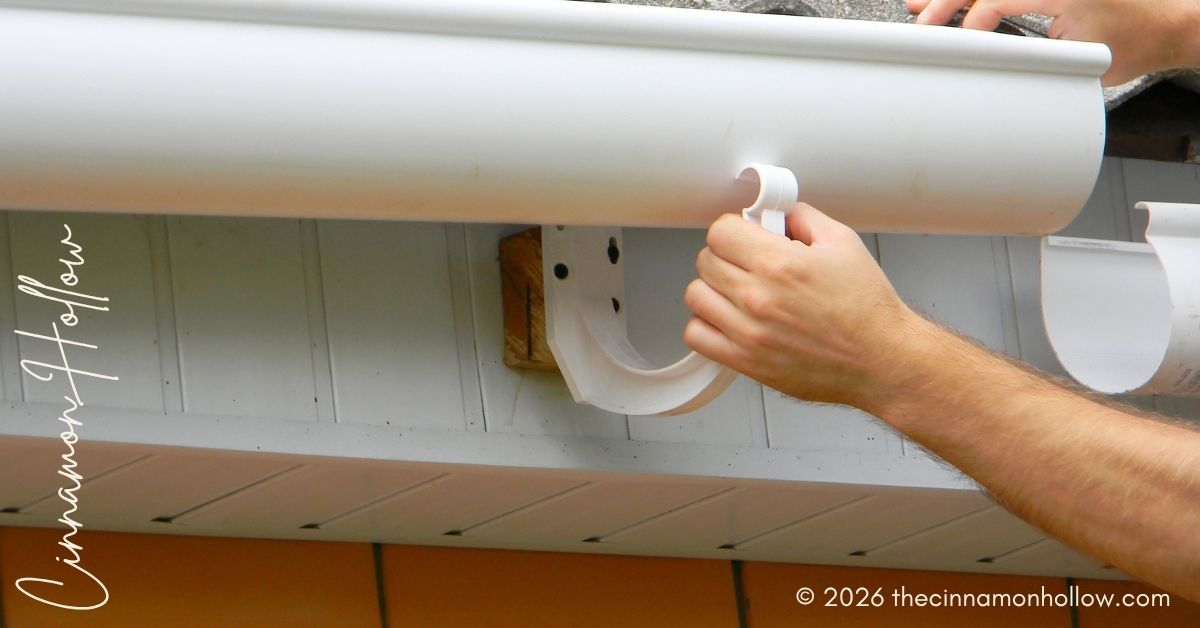
Start with the roof, not the old gutters
Replacing an existing system with an identical layout risks repeating its drainage problems. During the site visit, point out places where water spills over, gutters sag, or staining appears beneath the roof edge. Describe what happens during rain rather than assuming every overflow means the channel is too small.
Ask the installer to assess roof valleys and areas where an upper roof drains onto a lower section. Concentrated runoff needs attention when planning gutter capacity and outlet positions. The condition of the fascia also deserves a check before new hardware is attached. Agree on any necessary repairs before installation begins.
Choose materials with the whole assembly in mind
Ask for the proposed material and thickness in writing. Painted aluminum offers a choice of finishes, while copper has a different appearance that changes as its surface weathers. If steel is proposed, ask about its protective finish and care requirements. Compare the complete specification rather than treating the metal name as a measure of quality.
Compatibility matters at the connections. Have the installer check the gutter material against the fasteners, flashing, and other metals it will contact. Aluminum requires separation from incompatible materials, and runoff passing over other metals also deserves review. Finish selection should follow that technical check.
Size the channel and outlets together
A wider gutter alone does not settle the drainage question. Ask how the proposed size relates to the roof area feeding it, expected rainfall, and the number and spacing of outlets. The quotation should identify downspout dimensions as well as the gutter profile.
Walk through the proposed discharge points before approving the layout. A downspout beside an entrance needs a different route than one overlooking an open planting bed. Discuss where the water goes after leaving the pipe, with attention to the foundation and nearby paths. Avoid accepting a layout that simply moves a puddle to another troublesome spot.
Let color follow the lines of the house
Matching gutters to fascia creates a quieter roof edge. Matching downspouts to the wall behind them makes the vertical pipes less noticeable. A contrasting finish draws attention to those lines, so review the full layout before committing to a darker or brighter shade.
Request physical samples and view them outside against the siding and roof. A small screen image gives little sense of how a finish looks in daylight. If gutter and downspout colors differ, list both on the proposal to prevent confusion when materials arrive.
Plan for the leaves overhead
Nearby trees affect the cleaning the new system will need. Look beyond broad leaves: needles, seed pods, and small twigs also collect in channels and around outlets. Discuss which roof edges receive the most debris and how a professional crew will reach them safely. Before scheduling gutter cleaning with 619 Roofing, serving San Diego, CA, discuss clearing both the channels and downspouts, with attention to blockages that remain hidden below the outlet. Ask the contractor to explain how they check water flow after clearing debris and which defects require separate repairs. Set the cleaning schedule around observed buildup rather than assuming every house needs the same interval. If guards are proposed, ask what debris they exclude, what still needs cleaning, and how the covers are removed for access. Guard installation does not erase the need to check the system.
Fun fact: Continuous gutter runs still have connections at corners, end caps, and outlets. Fewer joints do not mean an entirely joint-free installation.
Put the installation details on paper
Before signing, check that the proposal names the material, size, finish, and downspout locations. Confirm responsibility for old-gutter removal, fascia repairs, and cleanup. Ask the installer to show you the completed discharge routes before the crew leaves. That final walk-through is the time to catch an outlet aimed at a step or an extension that obstructs a path.

Meg is an author at Cinnamon Hollow. She writes on a variety of topics sharing tips and ideas for daily life.