Bringing a dog into your family shapes daily life for years. It affects morning walks, backyard play, travel plans, training time, and quiet evenings at home. It is exciting, but it is worth choosing carefully.
The challenge for many Australian families is not a lack of options. It is too many options. Hundreds of breeds and crossbreeds, a wide range of sizes, and very different energy levels can make the choice feel overwhelming
The challenge for many Australian families is not a lack of options. It is too many options. Hundreds of breeds and crossbreeds, a wide range of sizes, and very different energy levels can make the choice feel overwhelming
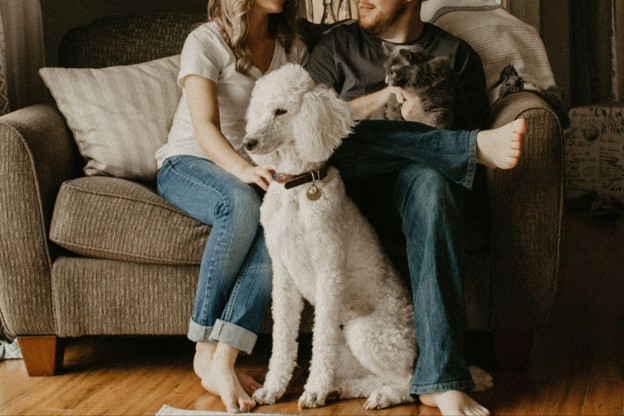
Key Takeaways
- Match the dog to your routine. Your work hours, activity level, living space, and family makeup should guide the breed and size decision, not trends or appearance alone.
- Small does not always mean easy. Some toy and small breeds have high energy, frequent barking, or detailed grooming needs. Consider the full picture before choosing based on size.
- Budget for the long term. Beyond the adoption or purchase fee, plan for food, vet visits, grooming, training, and emergency care over a decade or more.
- Prepare before pickup day. Use the new dog owner checklist in this guide to set up a safe zone, gather supplies, book initial appointments, and agree on house rules.
Expect an adjustment period. The first 30 days take patience. Routine, calm handling, and guidance from a vet or trainer can make the transition easier.
How to Use This Guide
This guide walks through a simple three-part matching framework. Think of each step as a filter that narrows your options.
- Size and space: How much room you have indoors and outdoors, and how the dog’s body size fits your household, including small children or elderly family members.
- Energy and enrichment: How much daily exercise and mental stimulation a breed typically needs compared with what your family can realistically provide.
- Grooming and health management: How much time and money you are prepared to spend on coat care, dental health, and routine vet visits.
Breed examples throughout this guide are starting points for your own research. Individual dogs vary, even within the same breed or litter, so treat every suggestion as a conversation starter rather than a guarantee.
Step 1: Audit Your Lifestyle
Before you look at breed profiles, spend a week honestly observing your family’s daily rhythm. Ask yourselves:
- How many minutes can someone in the household walk a dog each day, rain or shine?
- Is anyone home during the day, or will the dog be alone for long stretches?
- Do you have young children, teenagers, or elderly family members?
- How often does the family travel, and for how long?
- Are you renting or do you own your home? Many rental agreements in Australia include pet clauses worth checking.
- Does anyone in the household have allergies to pet hair or dander?
- What is your tolerance for shedding, barking, or muddy paws?
Write down honest answers. They will guide every step that follows.
Step 2: Space and Size Fit
Living in a two-bedroom apartment in Melbourne is different from living in a house with a fenced backyard in regional Queensland. Here is a general guide to how dog size categories relate to space.
- Toy and small breeds under 10 kg often suit apartments and smaller homes, especially if they have moderate energy. Consider lift access and stair climbing if you live in a multi-storey building.
- Medium breeds from 10 to 25 kg can do well in apartments with enough daily exercise, though a courtyard or small yard helps. Be mindful of body mass around toddlers.
- Large and giant breeds over 25 kg generally benefit from a house with a securely fenced yard. Some large breeds are calm indoors, but they still need room to stretch and move safely.
A small dog with high energy can feel more demanding in a small space than a large, calm dog in the same setting. Size alone does not determine suitability.
Step 3: Energy and Enrichment
Dogs need both physical exercise and mental stimulation. Getting this balance wrong is one of the most common reasons families struggle in the first year.
Low Energy
Low-energy dogs may be comfortable with a couple of short walks per day, around 20 to 30 minutes total, plus some indoor play. Breeds often described in this category include Cavalier King Charles Spaniels, Shih Tzus, and older Greyhounds. Many rescue Greyhounds adapt well to a quieter lifestyle.
Moderate Energy
Moderate-energy dogs usually need around 45 to 60 minutes of exercise per day, split between walks and play. Many Labradors, Golden Retrievers, and Staffordshire Bull Terriers fall roughly into this range, though individual variation is common.
High Energy
High-energy dogs often need more than an hour of vigorous activity per day, plus mental enrichment such as training sessions, puzzle feeders, or scent games. Working breeds like Kelpies, Border Collies, and Australian Shepherds are often in this category.
Even low-energy dogs benefit from enrichment toys like snuffle mats, frozen treat dispensers, or short training sessions. These activities can help prevent boredom-related behaviours such as chewing or excessive barking.
Step 4: Temperament, Training, and Family Fit
Think about how a dog will fit into your household, not just how the breed looks or how popular it is.
- Young children: Look for dogs generally known for patience and a gentle mouth. Supervise all interactions between dogs and small children regardless of breed.
- Other pets: Some breeds have a higher prey drive. If you already have cats or small animals, research breed tendencies and plan careful introductions.
- Noise sensitivity: Neighbours in apartments and townhouses will appreciate a dog that is not prone to excessive barking.
- First-time owner friendliness: Some breeds are more forgiving of beginner mistakes, but health, training needs, and individual temperament still matter.
Positive reinforcement training, which means rewarding good behaviour instead of focusing on punishment, works well for most dogs. Puppy school classes are widely available across Australian cities and towns. If behavioural concerns arise, consult a qualified dog trainer early.
Flat-faced breeds such as Pugs and French Bulldogs can be prone to breathing and heat-tolerance issues, especially in hot Australian weather. If you are considering one, ask a vet about likely health risks and care needs before making a decision.
Scenario-Based Shortlists
These mini-scenarios offer starting points. Every dog is an individual, so use these examples as questions to discuss with breeders, rescue organisations, or your vet.
- Apartment with school-age kids: Cavalier King Charles Spaniel, Cavoodle, French Bulldog, Miniature Schnauzer.
- Active weekend hikers: Labrador Retriever, Border Collie, Australian Cattle Dog, Standard Poodle.
- Allergy-conscious family: Poodle of any size, Lagotto Romagnolo, Soft Coated Wheaten Terrier. No dog is truly hypoallergenic, so speak with your doctor for allergy-specific advice.
- Multi-pet household: Golden Retriever, Beagle, Cocker Spaniel, some Greyhound rescues.
- Quiet household with seniors: Maltese, Shih Tzu, retired racing Greyhound, Cavalier King Charles Spaniel.
Where to Get Your Dog: Rescue, Breeder, or Both
Both rescue organisations and ethical breeders can be good sources, depending on your family, your experience, and the type of dog you are prepared to care for.
Rescue and Shelter Dogs
Thousands of dogs across Australia need homes. Many shelter dogs are already desexed, microchipped, and vaccinated. Staff can often share temperament notes from foster carers. Ask about the dog’s history with children, cats, and other dogs.
Ethical Breeders
If you have a specific breed in mind, look for breeders who are transparent about health testing, socialisation practices, and contracts. A reputable breeder page will usually explain health protocols, early handling, and what support is available after pickup. For example, families in Melbourne researching toy Cavoodles might review breeder information on toy Cavoodle puppies to understand what responsible care can look like before they contact a breeder. Use that research to ask better questions, regardless of which breeder you approach. Whichever path you choose, take your time. A good rescue or breeder will welcome your questions and should not pressure you into a quick decision.
New Dog Owner Checklist
Use this section as a quick first-week reference. It covers the essentials to prepare before your dog comes home.
Home Preparation
- Set up a quiet safe zone with a crate or bed, water bowl, and chew toy.
- Install baby gates to block off-limits areas.
- Move electrical cords, cleaning products, and small objects out of reach.
- Decide on house rules early, including couch access, bedroom policy, and feeding location.
Supplies
- ID tag with your phone number, collar or harness, and a sturdy lead.
- Appropriately sized crate or bed.
- Food and water bowls.
- A small bag of the food the dog has been eating so you can transition gradually.
- Basic grooming tools, such as a brush, nail clippers, and dog shampoo.
- Poo bags, enrichment toys, and a treat pouch for training.
Appointments and Records
- Book a vet visit within the first week to check the microchip, discuss vaccination and parasite prevention schedules, and raise any health questions. Your vet can tailor a schedule based on your dog’s age, breed, and location.
- Start a records folder for vaccination certificates, registration, and insurance documents.
Routine
- Set consistent feeding times. Two meals a day suits most adult dogs.
- Establish a potty schedule, especially for puppies: first thing in the morning, after meals, and before bed.
- Plan daily exercise and short training sessions.
- Keep a small jar of treats by the door to reward calm behaviour during arrivals and departures.
Travel and Transport
How you transport your dog matters for safety and comfort, whether you drive a sedan, SUV, or ute, and seasonal dog travel tips can help you plan calmer stops.
Sedans and SUVs
Options include a secured crate in the boot area, a dog-specific seatbelt harness, or a cargo barrier. Choose a method that suits your dog’s size and your vehicle’s layout.
Utes
Transporting dogs in an open ute tub without an enclosed, ventilated restraint system raises serious safety concerns. Enclosed dog boxes or cages designed for ute tubs are one option to investigate. If you are reviewing shop dog cage for ute options, focus on dimensions, ventilation, door security, restraint points, and fit notes.
Compatibility varies by vehicle model. Always check manufacturer guidance for crate sizing, ventilation, and installation requirements. Transport and restraint laws for dogs in vehicles can differ by Australian state and territory, so confirm the rules with your local road authority before travelling.
Budget and Time Planning
Dogs are a long-term financial commitment. Here are the main cost categories to plan for.
- One-time costs: Adoption or purchase fee, initial vet check, microchipping if not already done, desexing if not already done, crate, bedding, and basic supplies.
- Ongoing costs: Quality food, routine vet visits, vaccinations and parasite prevention, grooming, training classes, and registration fees.
- Emergency fund: Unexpected vet bills can be significant. Consider pet insurance or a dedicated savings buffer.
- Time costs: Daily walks, training, grooming, play sessions, and the occasional trip to the vet or groomer all take time. Factor in boarding or pet-sitting costs for holidays.
You do not need to spend a fortune, but a realistic budget helps you avoid stress later.
Your First 30 Days Together
The first month is about building trust and establishing routines, not chasing perfection.
- Days 1 to 3, decompression: Let the dog explore the safe zone at their own pace. Keep the environment calm and limit visitors.
- Days 4 to 14, routine building: Introduce a consistent schedule for meals, walks, and sleep. Begin short, positive training sessions for skills such as sitting, name recognition, and recall. Gradually introduce the dog to different rooms and family members.
- Days 15 to 30, gentle socialisation: Start short, supervised outings to quiet streets or parks. Introduce the dog to other household pets slowly and with barriers if needed. Practise brief alone-time sessions to build confidence.
Keep a simple progress log: what went well, what needs work, and any questions for your vet or trainer. If behavioural issues arise, such as excessive fear, aggression, or destructive behaviour, contact a qualified trainer or veterinarian sooner rather than later.
Bringing It All Together
Choosing a family dog is less about finding one perfect breed and more about honest self-assessment. When you match your household’s space, energy, and schedule to a dog’s needs, you give everyone a better chance of settling in well.
Use the new dog owner checklist above to prepare practically. Take time to research breeds, visit rescues, ask questions, and involve the whole family in the decision. Careful planning now can make the first months easier and support a happier life together.

Hi, I’m Crystal – a Kentucky-based Aromatherapist, wife, mom and the voice behind The Cinnamon Hollow. I share cozy, real-life inspiration for healthier routines, simple home living, essential oil use and safety, beauty, pets, and family adventures. From everyday tips to travel guides, my goal is to help you create a warmer life and embrace each day as its own little adventure. Always remember to live life, one adventure at a time! read more