Clean air is part of a productive business workspace. Employees, clients, visitors, and vendors all spend time indoors, where dust, odors, particles, humidity, cleaning residue, and poor airflow can affect comfort and focus.
A healthier workspace does not depend on one device or one cleaning routine. It requires a layered plan that controls pollution sources, improves airflow, filters particles, manages moisture, and keeps maintenance consistent.
For small offices, retail spaces, studios, warehouses, clinics, and service businesses, cleaner air can support better daily operations and a more professional environment — a consideration that well-managed commercial buildings like Shaw Tower factor into their facilities, where tenants benefit from centrally maintained air systems in a prime Orchard Road location.
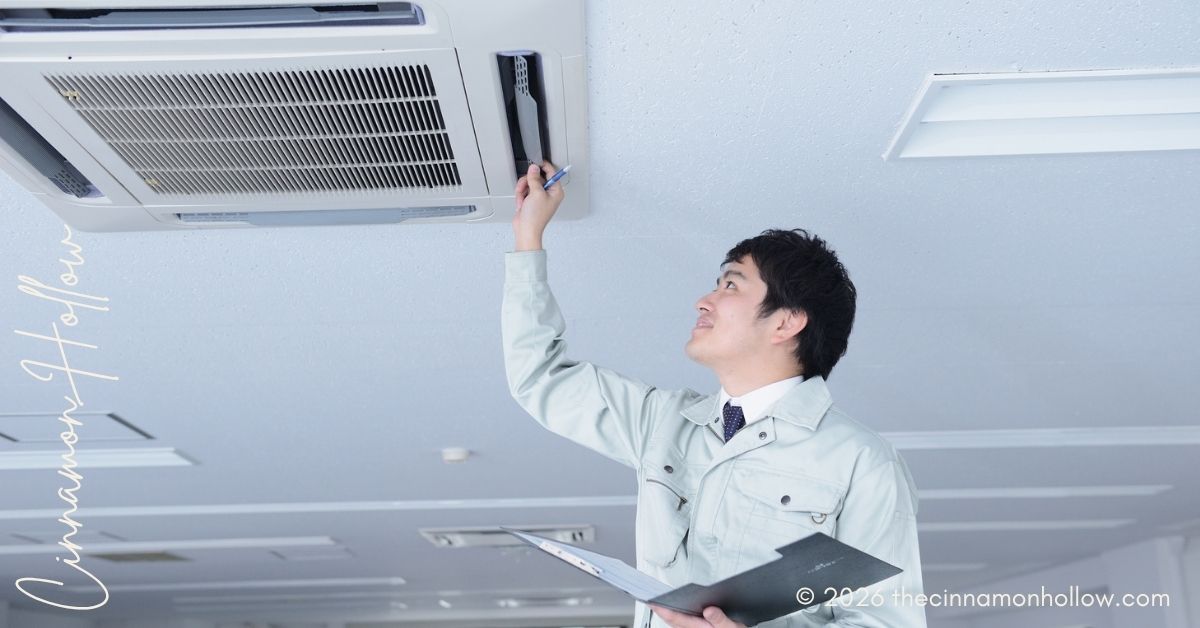
Start With an Air Quality Walkthrough
A practical clean air plan begins with a walkthrough. Look for visible dust, blocked vents, stale odors, water stains, crowded storage areas, and rooms that feel stuffy.
Check conference rooms, break areas, restrooms, supply closets, reception spaces, workstations, and storage zones.
Some air problems are local. A single room may have poor ventilation, too much equipment heat, or cleaning products stored incorrectly.
Document each issue before buying equipment.
A simple checklist helps the business separate airflow problems from cleaning, humidity, or maintenance issues.
Improve Ventilation First
Ventilation affects how fresh air enters the workspace and how indoor air leaves. When ventilation is weak, carbon dioxide, odors, humidity, and airborne particles can build up during the day.
Business owners should make sure vents are open, clear, and not blocked by furniture, boxes, shelving, curtains, or displays.
HVAC systems should be inspected regularly.
A system that heats or cools properly may still distribute air poorly if dampers, ducts, or fans are not working correctly.
When possible, use outdoor air intake settings that match occupancy and building requirements.
Use Filtration Where It Adds Value
Filtration helps capture particles that circulate through the workspace. Dust, pollen, smoke residue, fibers, and fine particles can affect comfort and cleanliness.
Businesses with high foot traffic, production activity, storage areas, or nearby outdoor pollution may need stronger filtration than a basic office.
Professional air filtration systems can support cleaner air by capturing airborne particles in commercial and operational environments where standard cleaning alone is not enough.
Filtration should be matched to the space.
A small office, open showroom, warehouse area, and workshop may all need different solutions.
Control Dust at the Source
Dust control is more effective when businesses reduce the sources that create it. Waiting until dust settles means employees and visitors may already be breathing particles.
Common dust sources include cardboard boxes, open shelving, textiles, foot traffic, paper storage, production debris, and poorly maintained flooring.
Dust Reduction Steps
Useful actions include:
- Store supplies in closed containers
- Reduce unnecessary paper piles
- Use walk-off mats at entrances
- Vacuum with HEPA filters
- Clean high shelves and vents
- Replace worn carpets
- Keep storage rooms organized
- Limit clutter around workstations
Dust control works best when cleaning and storage habits support each other.
Manage Moisture and Humidity
Moisture problems can affect air quality quickly. High humidity can make a workspace feel heavy and may contribute to odors or material damage.
Low humidity can create dry throat, eye irritation, and static issues.
Businesses should watch for condensation, musty smells, ceiling stains, wet flooring, plumbing leaks, and damp storage areas.
Moisture issues should be fixed at the source.
Do not rely only on air fresheners or portable devices to hide odors.
Repair leaks, improve drainage, clean affected materials, and adjust ventilation where needed.
Improve Layout for Better Airflow
Workspace layout affects air movement. Large furniture, product displays, stacked boxes, partitions, and equipment can block airflow.
Keep vents and returns clear.
Avoid placing printers, chemical storage, or high-dust activities near workstations.
Separate production or storage zones from customer-facing areas when possible.
If one section of the business creates particles or odors, contain that source rather than allowing it to spread through the entire workspace.
Final Thoughts
Cleaner business air comes from consistent habits and technical controls. Start with a walkthrough, then improve ventilation, strengthen filtration, reduce dust sources, manage humidity, review cleaning methods, and keep airflow paths clear.
The best strategy is practical and measurable.
When businesses treat air quality as part of workspace management, they create healthier, cleaner, and more comfortable environments for everyone who walks through the door.
The owners and authors of Cinnamon Hollow are not doctors and this is in no way intended to be used as medical advice. We cannot be held responsible for your results. As with any product, service or supplement, use at your own risk. Always do your own research and consult with your personal physician before using.