Key Takeaways
- Plumbing failures such as bursts or leaks are a principal cause of water damage in homes.
- Appliances such as washing machines, dishwashers, and water heaters often malfunction and cause leaks.
- Roof leaks and poor water drainage create long-term structural risks.
- Routine home maintenance and immediate repairs are crucial in reduction of water-related risks.
Water damage is a common yet serious issue for homeowners that can result in high repair expenses, property loss, and health problems due to mold and mildew. Understanding the primary causes of residential water damage helps homeowners protect their homes and avoid unnecessary stress. To discover practical solutions and professional help, learn more about safeguarding your property from costly water incidents.
If left unchecked, water damage can deteriorate your home’s structure and promote hazardous mold growth, both of which can be expensive and time-consuming to repair. Whether through aging plumbing, malfunctioning appliances, or severe weather, water can find its way inside and damage your investment. Homeowners are encouraged to identify weaknesses before small problems turn into substantial disasters. Preventative action makes a significant difference in maintaining a safe and secure living environment.
1. Plumbing Failures
Plumbing problems remain a primary source of water damage in residences. Over time, pipes age and become increasingly susceptible to cracks, bursts, and corrosion. Homes built several decades ago may feature galvanized steel pipes prone to rust and internal buildup, often resulting in leaks that are sometimes hidden within walls or ceilings. Sudden temperature changes during winter can also cause pipes to freeze and expand, increasing the likelihood of ruptures and flooding.
Routine plumbing inspections and replacing worn-out or outdated pipes with modern materials such as copper or PEX can minimize these risks. Furthermore, installing pressure regulators and water shutoff valves adds an additional layer of protection.
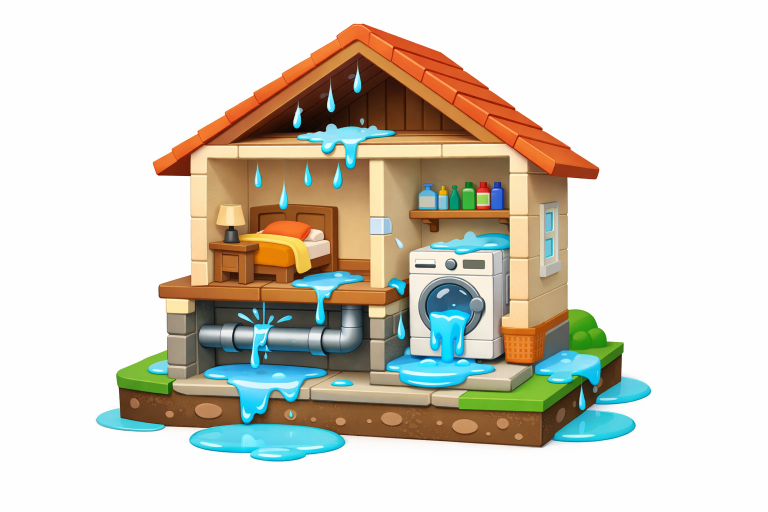
2. Appliance Malfunctions
Modern homes rely on various appliances that use water daily. However, washing machines, dishwashers, water heaters, and refrigerators are frequent culprits for interior water leaks. Deteriorating hoses, faulty connections, or internal failures can lead to slow leaks or catastrophic overflow.
For example, a worn-out washing machine hose can quickly soak floors, carpeting, and the subfloor if left unattended. Switching to reinforced braided stainless steel hoses and setting up regular checks or professional servicing are effective means of prevention.
3. Roof Leaks
Roofs serve as the first defense against the elements but are susceptible to damage due to aging, severe weather, or storms. Missing, curling, or cracked shingles can expose the underlayment to moisture, leading to roof leaks and allowing water to travel down into the attic and drywall. Additionally, problems with roof flashing around chimneys, skylights, or vents can result in water intrusion. Gutters clogged with leaves and debris prevent proper water flow and may cause overflows that damage exterior and interior walls.
To minimize risk, homeowners should check their roofs after heavy weather and clean their gutters several times throughout the year. When in doubt, professional inspections can identify potential leaks before they become destructive.
4. Poor Drainage Systems
Water pooling around the foundation because of poor drainage is hazardous for any house. If gutters, downspouts, or landscaping fail to carry water away, it may seep into basements or crawl spaces. Over time, recurring exposure can erode foundations and cause major structural problems. Ensuring downspouts extend at least four to six feet away from the foundation and keeping landscaping sloped are vital steps in effective water management around the home.
5. HVAC System Issues
Heating, ventilation, and air conditioning (HVAC) systems are sometimes overlooked sources of water damage. When condensate drain lines are blocked or if drip pans overflow, water can leak and damage surrounding materials such as drywall or carpeting. This issue is especially problematic in humid climates, where condensation can accumulate faster than in drier areas. Yearly professional HVAC servicing can catch potential problems before leaks develop.
6. Natural Disasters
Natural disasters like heavy rainfall, hurricanes, or major flooding events can overwhelm even the best-built homes. Although these events are sometimes unavoidable, there are strategies to reduce their impact. Installing a sump pump in basements, elevating key electrical components, and using water-resistant materials in flood-prone regions can all help minimize long-term damage. For more information on preparing for floods, reputable sources such as the American Red Cross provide detailed proactive guidance.
Preventive Measures
Protecting your property from the most common causes of water damage requires proactive maintenance. Begin with these essential steps:
- Schedule regular plumbing inspections and appliance servicing.
- Repair or replace damaged roofing, and maintain clear gutters and downspouts.
- Maintain proper grading around the home and ensure landscape design directs water away from the foundation.
- Install water leak detection devices in high-risk areas, such as basements or near water-using appliances.
- Keep HVAC systems in top condition by servicing at least annually and checking drain lines for blockages.
Conclusion
Water damage in the home can be an expensive and sometimes dangerous issue, but with careful awareness and practical preventive steps, these risks can be greatly minimized. Regular inspections, timely repairs, and thoughtful upgrades to plumbing, appliances, roofing, and drainage systems are the most effective ways to maintain a safe, dry, and healthy home for years to come.

Meg is an author at Cinnamon Hollow. She writes on a variety of topics sharing tips and ideas for daily life.