Diabetic foot ulcers develop when nerve damage and poor circulation, two common effects of long-term diabetes, combine to create wounds that the body struggles to heal on its own. The problem isn’t just that the wound exists. It’s that without the right intervention at the right time, that wound can deepen, become infected, and eventually threaten the limb itself.
Here in Los Angeles, where a large and diverse diabetic population often faces barriers to timely specialty care, the gap between early treatment and delayed treatment can determine outcomes that are very hard to reverse.
Here are five reasons why getting ahead of diabetic foot ulcers early makes such a significant difference in what happens next.
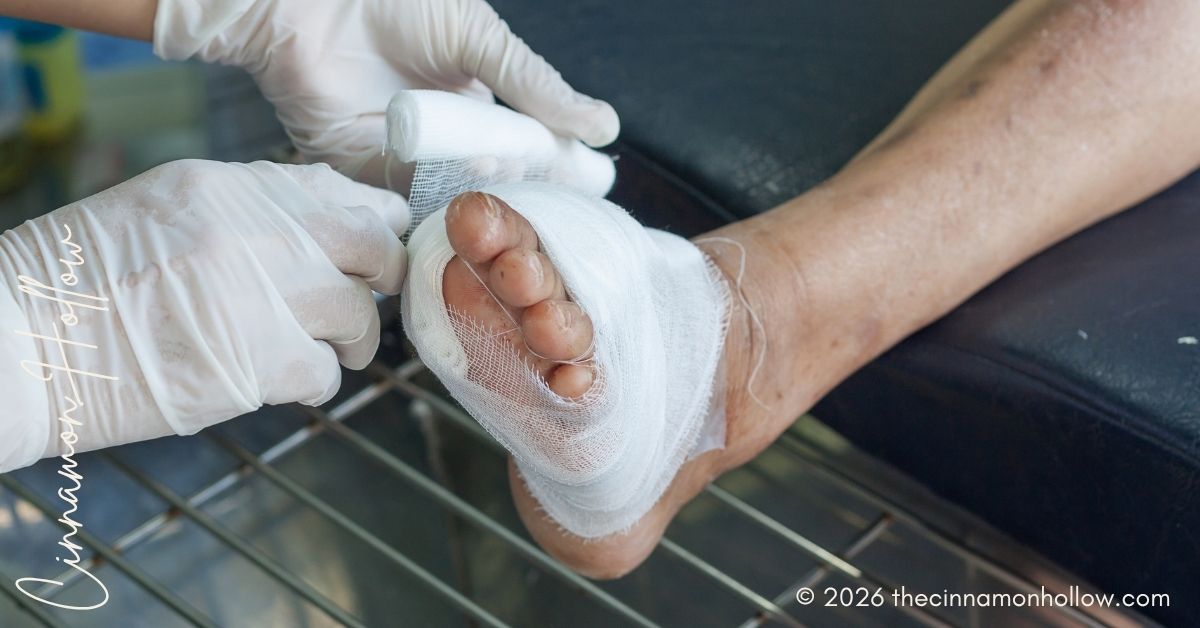
1. The Window for Effective Treatment Is Real and Finite
Diabetic foot ulcers don’t stay the same while you wait to see what happens. They progress. What begins as a shallow wound can move through the layers of skin and tissue relatively quickly when circulation is poor and infection takes hold. The deeper a wound gets, the more complex and expensive the treatment becomes, and the harder it is to achieve full healing without significant intervention.
Early-stage ulcers, caught before they have penetrated deeply or become infected, respond well to debridement, proper offloading, and consistent wound care. That same wound, left for weeks, may require hospitalization, intravenous antibiotics, surgical intervention, or all three. The clinical outcomes are measurably different depending on when treatment starts, and that difference is not subtle.
2. Infection Risk Grows Significantly With Every Passing Week
One of the most serious risks associated with diabetic foot ulcers is infection, and it’s a risk that compounds with time. Because diabetes impairs the immune response, infections that a healthy body might contain can spread rapidly in diabetic tissue. A wound that appears minor on the surface can harbor bacteria in deeper tissue, and by the time visible signs of infection appear, the process may already be well advanced.
Patients managing diabetic foot ulcers in Los Angeles at Wound and Burn Centers of America usually benefit from a multidisciplinary approach that addresses both the wound and the underlying factors driving it, including vascular assessment and infection control, rather than treating the surface alone. That kind of integrated care is what separates wound management that achieves lasting closure from wound management that repeatedly addresses symptoms without resolving the cause.
3. Most Amputations Are Preventable with Timely Treatment
This is the outcome that most patients don’t want to think about, which is exactly why it’s worth stating clearly. Lower limb amputation is one of the most serious consequences of unmanaged diabetic foot ulcers, and it is far more common than it should be. According to data published by the National Institutes of Health, diabetic foot ulcers precede 80% of lower extremity amputations in people with diabetes. That statistic is stark, but it comes with an important implication: the majority of those amputations are considered preventable with appropriate and timely wound care.
Early treatment doesn’t guarantee that amputation will never become necessary, but it dramatically reduces the likelihood by preventing the wound from progressing to the point where tissue loss is irreversible. Getting specialized care before the wound reaches that stage is the most direct way to protect the limb.
4. Healing Is Faster and More Complete When Started Early
Wound healing in diabetic patients is already a slower process than in people without diabetes. Reduced blood flow means less oxygen and fewer nutrients reaching the wound site. Nerve damage means the patient may not feel pain signals that would normally prompt attention and rest. These factors work against healing from the start, which makes the quality and timing of treatment even more important.
An early-stage ulcer with clean edges and no deep tissue involvement has a significantly better chance of achieving complete closure than one that has been present for months and has developed irregular, callused edges or signs of chronic inflammation. In practice, the wounds that close completely and stay closed tend to be the ones that received structured, specialist-led care early in their development rather than after multiple failed attempts at home management.
5. Systemic Complications Can Be Detected Early
A diabetic foot ulcer rarely exists in isolation. It’s usually a sign that the underlying diabetes management needs attention, that vascular disease is affecting circulation in the lower limb, or that neuropathy has progressed to a point where the patient can no longer reliably detect foot injuries before they become wounds. Treating the ulcer without addressing those underlying factors often results in recurrence, sometimes in the same location, sometimes elsewhere on the foot.
Studies have shown that recurrence rates for diabetic foot ulcers are high when underlying risk factors are not managed alongside wound treatment, with studies reporting recurrence in a significant percentage of patients within the first year after healing. Early treatment creates the opportunity to identify and address those contributing factors while the wound is still manageable, rather than after it has recurred multiple times and the tissue has been repeatedly compromised.
Conclusion
Diabetic foot ulcers are serious, but they are not inevitably catastrophic. The trajectory of these wounds is strongly influenced by when and how treatment begins. Patients who reach specialist care early, before infection has set in and before the wound has penetrated deeply, consistently have better outcomes than those who wait.
For anyone living with diabetes, treating a foot wound as urgent rather than minor is one of the most important decisions they can make. The cost of acting early is manageable. The cost of acting late is not.
The owners and authors of Cinnamon Hollow are not doctors and this is in no way intended to be used as medical advice. We cannot be held responsible for your results. As with any product, service or supplement, use at your own risk. Always do your own research and consult with your personal physician before using.