Owning a home is one of the most significant financial investments you will ever make. Keeping your property safe, secure, and valuable requires more than just a fresh coat of paint or a neat garden. It demands ongoing vigilance against hidden threats. In Australia, one of the most severe threats to your home’s structural integrity is entirely silent and operates out of sight.
Many homeowners focus on visible weather damage while ignoring the quiet destruction occurring behind their walls. Regular maintenance is the key to preserving the value and safety of your residence before minor issues escalate into costly repairs.
The Hidden Financial Threat of Timber Pests
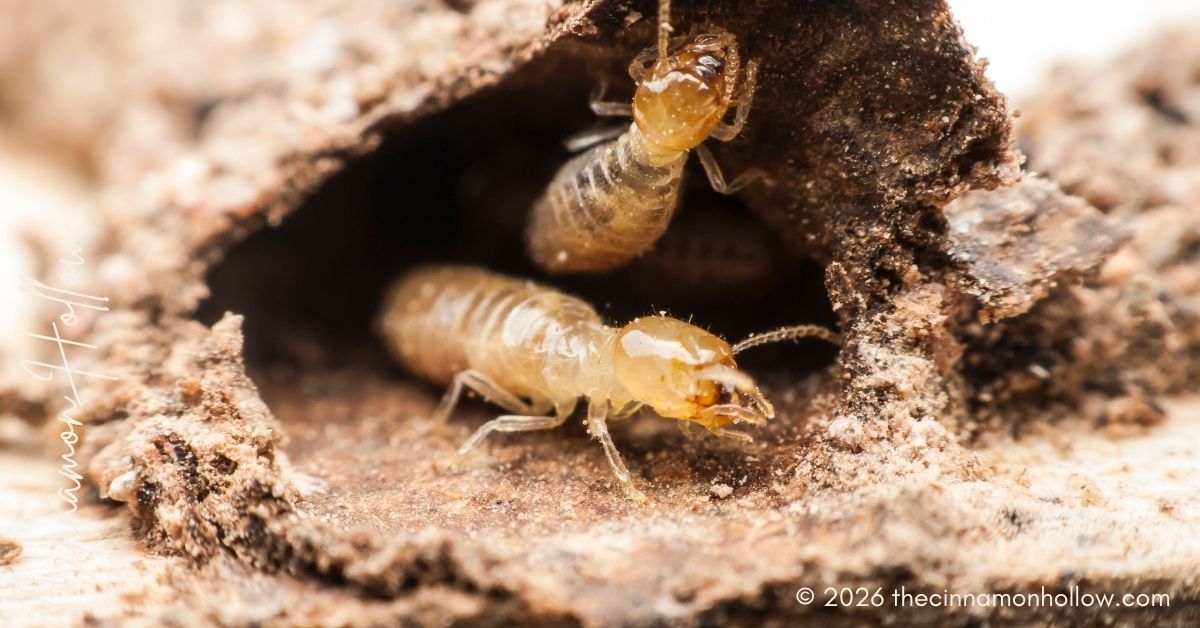
Every year, structural pests cause massive damage to residential properties. Termites, colloquially known across the country as white ants, cost Australian homeowners more than $1.5 billion annually. Despite the nickname, these insects are biologically closer to cockroaches than actual ants. They are responsible for over 80 percent of all structural timber damage in Australian homes, making them a more prevalent risk than storms or fires.
What makes this threat particularly devastating is the insurance reality. Standard Australian home and contents insurance policies almost universally exclude termite damage. Insurers classify this as a preventable maintenance issue rather than a sudden, unpredictable disaster. Consequently, the entire financial burden falls squarely on the homeowner. It is a harsh reality that many families only discover when it is too late, turning a dream home into a financial nightmare. While the average repair cost ranges between $5,000 and $10,000, severe structural damage can quickly exceed $50,000. If left unchecked, this damage will drastically reduce buyer confidence and lower your property’s resale value during pre-purchase inspections.
For homeowners conducting their own seasonal property checks, understanding how to identify white ants nest is an essential skill that can save thousands of dollars in future repair bills. Knowing what to look for allows you to spot a developing problem before the damage reaches a catastrophic level.
Common Entry Points and Vulnerabilities
Understanding how these pests enter a building is crucial for prevention. Termites require constant moisture and only need a tiny gap of just one millimetre to breach your home’s defences. They often gain access through concealed entry points. Built-up garden mulch against exterior walls, unprotected weep holes, and microscopic subfloor cracks provide perfect hidden pathways into your living space. Moisture from leaking taps or poor drainage systems will attract them very quickly. Homeowners should also be cautious of storing firewood or scrap timber directly against the exterior walls, as these act as a welcoming food source that bridges the gap between the soil and the structural timber.
A common misconception is that homes built with steel frames are entirely immune to infestations. While the pests cannot consume the steel itself, they will readily bypass it to attack other vulnerable materials. This includes electrical cabling, plasterboard walls, MDF cabinetry, and wooden flooring. Because the worker insects are entirely blind and operate 24 hours a day, they aggressively hollow out materials from the inside out. They leave a thin, paper-like exterior veneer completely untouched, which makes early detection incredibly difficult for the untrained eye.
Recognising the Early Warning Signs
Because destructive pests prefer to stay hidden in dark, damp environments, you need to rely on subtle clues to detect their presence. The species Coptotermes acinaciformis is recognised as the most destructive subterranean termite in Australia, and it leaves behind a few telltale signs if you know where to look.
Keep an eye out for the following red flags during your regular home maintenance routine:
- Hollow-sounding timber: Tap lightly on skirting boards, door frames, and window sills with the handle of a screwdriver. If the wood sounds hollow or papery, pests may have eaten away the structural core.
- Mud shelter tubes: Subterranean species build protective mud tubes to travel safely from their soil colonies to your home. Look for these earthy, brown tunnels along exterior brickwork, concrete foundations, and inside subfloors.
- Tight-fitting doors and windows: As termites tunnel through door and window frames, they introduce moisture. This causes the surrounding timber to warp and swell, making doors and windows suddenly difficult to open or close.
- Blistering paint or plaster: When insects consume the backing of plasterboard or the timber directly behind paint, the surface can begin to bubble or peel, mimicking the appearance of severe water damage.
- Discarded wings: Swarming insects often shed their wings after finding a mate and establishing a new colony. You might find these tiny, translucent wings on window sills or caught in spider webs around your property.
Professional Maintenance Standards
While knowing the early warning signs is a fantastic first step, professional monitoring remains non-negotiable. The Commonwealth Scientific and Industrial Research Organisation (CSIRO) has conducted extensive hazard mapping, confirming that homes in high-risk zones across mainland Australia are highly susceptible to attack.
To combat this, Australian Standards dictate strict protocols for pest management. They recommend that property owners arrange for professional visual inspections at least once every twelve months. Regular professional checks combined with your own proactive seasonal maintenance will ensure your property remains a safe, comfortable, and valuable asset for years to come. Property owners who take these preventative steps will enjoy peace of mind, knowing their investment is thoroughly protected from the ground up. By staying alert to the early warning signs, you can protect your home from the inside out and secure your financial future against invisible threats.