

When people think about Beijing travel, the first images that spring to mind are usually the Great Wall, the Forbidden City and authentic plates of Peking duck. But, what defines the city is its incredible connection between the old and the new, and if you want to experience it properly, an eight day itinerary is the perfect balance between discovery and relaxation. I found this detailed plan on Travel of China’s 8 Days in Beijing, and it turned out to be one of the most rewarding travel experiences I’ve had in Asia.
Why Spending Eight Days Makes a Difference
It’s not easy to do justice to a city on a stopover. Beijing, for instance, makes a hard first impression, with its stately avenues and symmetrical grey architecture and its great parade of endless monuments. But eventually, after a few days at least, you learn to fill in the blanks. When you hear radio throat exercises in the park in the morning, pickling fishurger fumes from breakfast stalls, or before the sun wheels down the courtyard a strange silence ripples through the eaves and winters the trees. Eight days gives you time to see both sides of the coin, the massive buildings and the “not colossal but interesting what’s doing at breakfast”.
How I Planned My Eight Days
I followed a structure like the one on Travel of China, where each day had a focus but still felt flexible. It ended up being the perfect pace to explore, without burning out. Here’s roughly what my schedule looked like:
| Day | Focus | Highlights |
| 1 | Arrival & Evening Walk | A gentle start with dinner and a short stroll near Wangfujing. |
| 2 | Forbidden City | Dive into imperial history—spend half a day walking through ancient halls. |
| 3 | Great Wall (Mutianyu) | Scenic and less crowded, ideal for great photos. |
| 4 | Summer Palace | Lakeside calm and winding pavilions—perfect for a midweek break. |
| 5 | Temple of Heaven & Hutong Tour | Morning tai chi energy, afternoon in Beijing’s alleyways. |
| 6 | Lama Temple & Art Exploration | A day that blends reflection and creativity. |
| 7 | Countryside Experience | Visit nearby tea farms, experience a slower rhythm. |
| 8 | Markets & Farewell | Panjiayuan Market or Sanlitun—two very different endings. |
The flow of this plan worked beautifully: major attractions came first, cultural immersion followed midweek, then lighter activities before departure.
How the City Balances History and Change
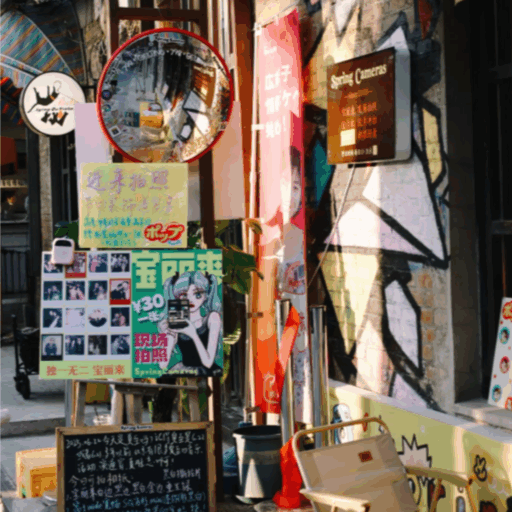
Few cities have the touch between the past and future the way Beijing does. You can journey from a temple built a 15th-century temple to an entire district of glass and steel skyscrapers in a single subway trip; what’s startling is just how unremarkable that is. Neither seems to create to outdo the other.
After having visited the Forbidden City and the Temple of Heaven, my time in Beijing seemed like the second half to its story. It’s creative, industrial, modern, and very much with personality. Old factories have been repurposed into design studios, coffee shops, and exhibition spaces everywhere. If this mix of old industry and new art inspires you, Travel of China’s 798 Art District guide gives a solid overview of where to go and what to look for.
Local Corners That Tell the Real Story
Beyond the big names, I loved the little neighborhoods. Get lost in the hutongs—alleyways—but in a good way. You’ll see old men repairing bikes, families cooking lunch together, and there could be cute little cafes run by guys your age.
You know those pretty street corners people share their iPhone photos of? These are real, and they aren’t preserved in amber—they’re not frozen in the past. In amongst everyday life, you’ll be hitting up the cutest new art shop or cute minimalist teahouse. Spend a few hours here and it’ll color in your trip in a way that official whizbang tourist attractions never can.
Food Worth Planning Around
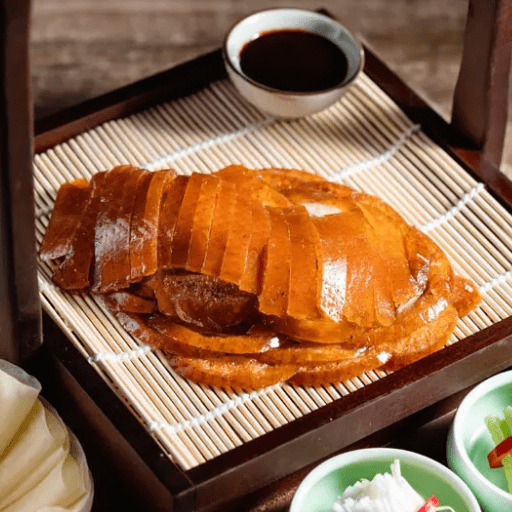
Beijing comes alive in its food; memorable meals don’t have to be fancy. Here are a few highlights from my trip:
– Peking Duck at Quanjude : a classic for a reason, smoky and rich meat crisped to perfection.
– Jianbing : drool-worthy local street food wrapped around breakfast, ruins the memory of all else.
– Ghost Street (Gui Jie) : alleyway of character and mass produced spicy Northern food
– Siji Minfu Restaurant : sweet service, harmless price, eat dumplings.
Tips That Made My Trip Easier
Staying organized means you’ve got your mind free for the real goal: exploring. Here are the things that made my travels easier every single day:
-Start early—with major sites, arriving before 9 a.m. makes a huge ~dent~ save to both time and patience.
-Use the metro. It’s clean, accessible, and runs to most everywhere you’ll want to be.
-Keep a little cash incase things can’t mobile pay. It’s common, but little shops may prefer RMB.
-Have your translation app open. It makes for painless small chats.
-Leave a half day free. Some of the best finds are the unplanned ones.
Just some tweaks, but they do wonders when you’re finding your way around a city.
Where You Feel the Continuity of Everyday Life
A wonderful thing about Beijing is how even the old stuff is subsumed into the everyday. The Temple of Heaven is a destination for locals to do tai chi, to sing, and to practice musical instruments every morning. The Summer Palace, once an imperial retreat, is a park for families to go on picnics through the weekend. And it is while standing amid all these loft historischen I felt history not to be neatly packaged for ease of storage, but as an active ingredient in the city. That makes the trip worth it; it’s not a museum city, it’s a city.
When Familiarity Finally Sets In
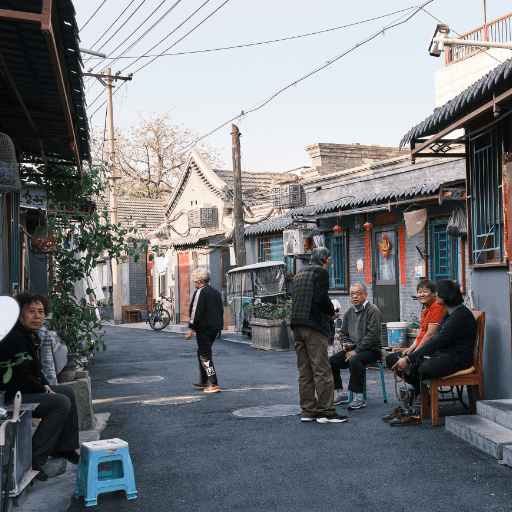
Around my sixth or seventh day, something strange happened: the city stopped feeling foreign. I started remembering street routes, shopkeepers greeted me like a regular, and ordering local snacks became routine. That quiet familiarity was proof I’d stayed long enough to connect—to see beyond the surface of sightseeing.
With patience, Beijing becomes less of a destination and more of an ongoing story—one that’s still being written by the people who live there.
Leaving With More Than Souvenirs
On my last morning, as I walked across Tian’anmen Square before the day’s rush, it struck me how much ground I had covered—not just physically but in understanding. Beijing doesn’t simply present itself; it invites you to participate.
Check out our Travel Adventure videos below!


Meg is an author at Cinnamon Hollow. She writes on a variety of topics sharing tips and ideas for daily life.