Nobody takes their roof seriously until something goes very wrong. Notice a faint drip after a storm? It’s manageable and something you can deal with later.
But “later” can be very expensive, especially for commercial property owners. That minor leak can become a massive repair that costs thousands.
This is why, as a business owner, you need to think about commercial roofing services the same way you think about payroll. Because when the roof fails, the ensuing water damage can wreck your entire day, if not your week.
Of course, many things can cause water damage in a commercial space, but according to This Old House, one common cause is a leaky roof.
When it happens, the impact can directly threaten your bottom line, your property value, and your business operations.
In this article, we’ll break down what actually happens when commercial roof maintenance is delayed, and why cost could be the least of your worries.
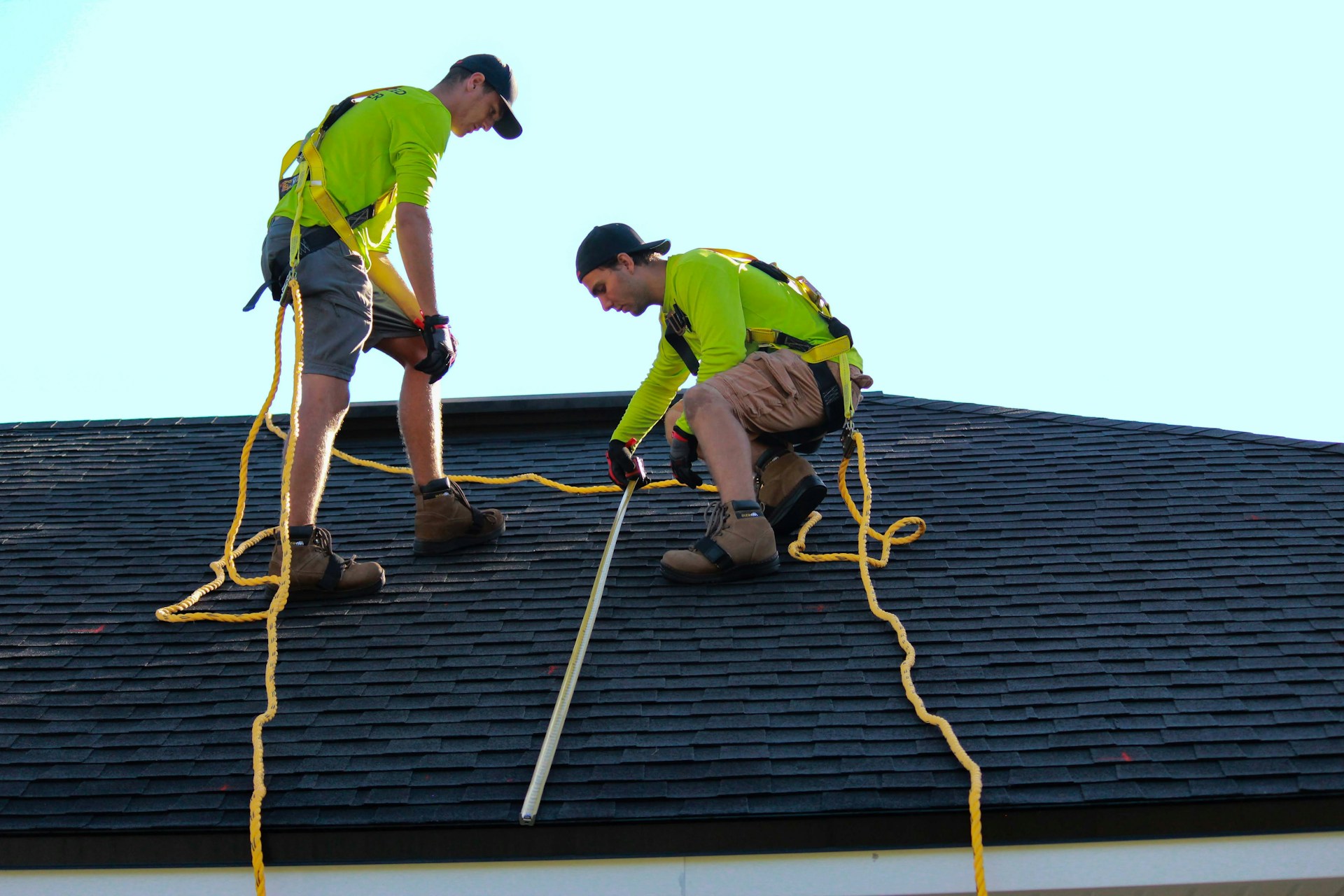
Small Repairs Become Major Disasters
Minor leaks, cracked flashing, and small membrane punctures in your commercial roof might not look like emergencies. But they are.
Water just needs a tiny point to enter your building. Next thing, you’re looking at rotten decking, corroded metal, and worse, compromised structural integrity. What you could have gotten patched in no time becomes a major repair job.
And roof repairs aren’t cheap. Homeowners spend an average of $1,170 on roof repairs. Commercial properties will definitely cost more. And this cost? It depends a lot on the size of the problem, the type of roof, and how long you’ve had the issue.
This is why regular maintenance is non-negotiable. According to Integrity Pro Roofing, it is “One of the best ways to extend the life of your roof is through preventative maintenance.”
Preventive maintenance is uncomplicated and offers the highest return on investment for commercial roofs.
Water Damage Can Spread Throughout the Building
A commercial roof leak does more than just damage the roof. It can quickly saturate ceiling tiles and drywall. It then slowly moves into wall cavities, insulation, and electrical conduits. Very soon, you’re dealing with more than just ceiling stains. You’re also looking at a potential fire hazard.
There’s also mold. According to EPA.gov, allowing water to remain in your insulation or behind drywall for more than 24 hours can result in mold colonies. Getting rid of this toxic mold can cost your business thousands of dollars.
By the time you’ve finished all the repairs, what started as a small roof leak has caused you to extensively repair almost all parts of your building.
Higher Energy Bills
A leaky roof can seriously and actively drain your bank account. When water seeps through your roof, it gets trapped inside your building’s insulation. This is the insulation you rely on to keep your business operations comfortable.
But when that insulation becomes waterlogged, it loses its thermal resistance. The result? Your HVAC system has to work twice as hard. This means higher monthly utility bills.
The opposite is true. In fact, according to Malaysia’s Solar Energy Research Institute, investing in roof assembly retrofits can save businesses between 8.65% to 16.25% in energy consumption. This translates to lower monthly electric bills.
Using the same logic, if your utility bills are creeping up for no apparent reason, you may want to check your roof’s insulation for moisture damage.
Business Interruptions and Lost Revenue
This is arguably the most expensive hidden cost of all because it goes beyond repair bills. It affects your ability to operate.
Imagine you manage a law firm. A roof leak allows rainwater to seep into a storage area and damage client files, computers, or other important records. The repairs are just one part of the problem.
Something similar happened in Camden, New Jersey. The roof of a commercial building owned by Market Street Properties collapsed. Fixing the damage cost roughly $250,000. But when the company filed an insurance claim, the insurer refused, citing “wear and tear”.
This message here is simple: overlooking maintenance can lead to operational disruptions, unexpected expenses, and complicated insurance challenges.
FAQ
How often should you inspect your commercial roof?
It’s advisable to inspect your commercial roof at least twice yearly. Do this, ideally, in the spring and autumn. But this roof inspection isn’t a DIY project. Get a professional roofing service to perform the inspection. Experts will catch red flags you might miss.
What are the most common signs of roof damage?
The first and most common sign is water spots on your ceiling. You should also check for blistering on your roof membrane or cracked flashing around vents. And if you notice standing water doesn’t drain within 48 hours, that’s a clear sign of problems with your roof.
Can a small roof leak become a major problem?
Absolutely. A small leak left unpatched can allow water, no matter how little, into your roofing system. This can cause your roof’s wood decking to rot. It can also compromise your insulation, leading to high utility bills. Eventually, a small roof leak can cause a partial or total ceiling collapse.
Key Statistics on Delaying Commercial Roof Maintenance
| Details | Stats |
| Average roof repair cost for homeowners | $1,170 |
| Mold growth after moisture exposure | 24 to 48 hours |
| Energy consumption savings from roof retrofits | 8.65% |
| Typical collapsed roof repair costs | $250,000 |
Act Early to Protect Your Bottom Line
Ignoring roof maintenance is a gamble where the business always loses. What could be a minor nuisance can quickly escalate into big problems that will cost you a lot and temporarily put you out of operation.
Bottom line? Be proactive with your property. Invest in regular professional inspections. But that’s not all. Also, be sure to address any issues immediately. Taking care of your roof today means that your business remains protected for tomorrow.