You might be reading this with your heart still racing. Maybe the text from school just came in. Your child fell in gym, there is blood around a front tooth, and you are trying to decide whether to rush to the ER, call a dentist in Gates, NY, or simply wait and see. Everything feels urgent, but nothing feels clear.end
When a child’s smile is on the line, even a small chip or a bitten tongue can feel huge. You might be worried about long term damage, weekend costs, or whether you did something “wrong” by not getting help fast enough. That mix of fear, guilt, and confusion is common for parents of active kids.
The good news is that you do not have to figure this out alone. A strong family dentistry home base can guide you through dental emergencies, help you decide what is truly urgent, and give you a simple plan so you are not scrambling in the moment. In short, family dental emergency care for kids is about fast support, clear instructions, and preserving your child’s teeth whenever possible.
So where does that leave you right now. It means you can learn what counts as an emergency, what you can safely handle at home, and how a trusted family dentist can stand between a scary moment and lasting damage.
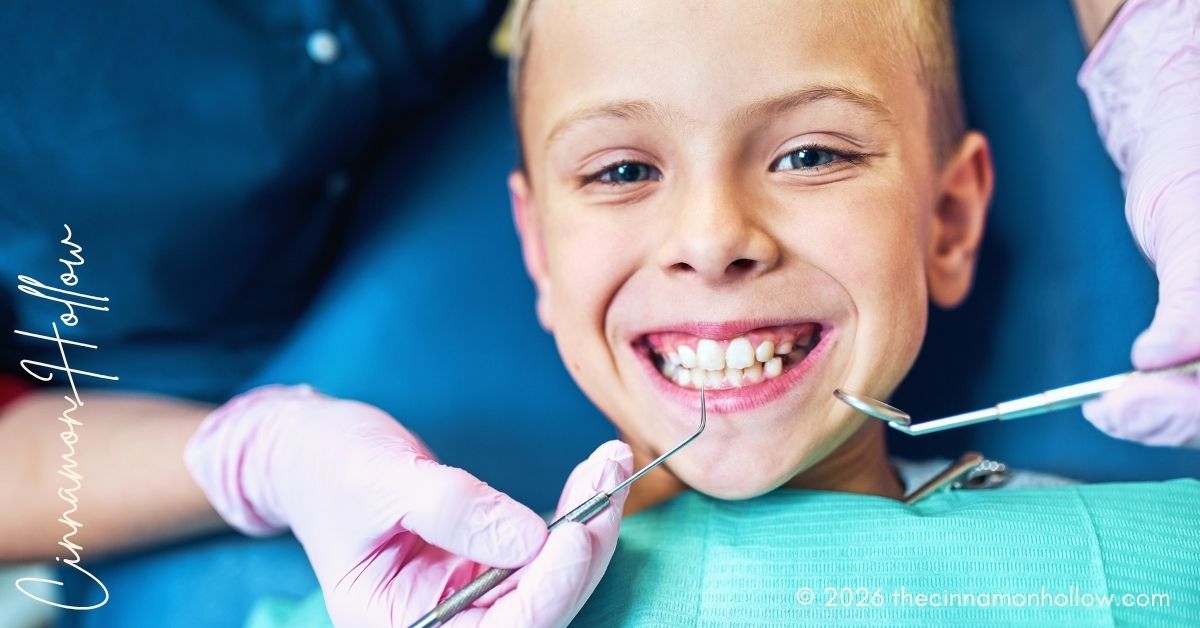
Why active kids are at higher risk and what that means for you
Active kids run, climb, tumble, and play hard. That is wonderful for their growth, yet it also means more chances for a ball to hit a mouth, a scooter to catch a crack in the sidewalk, or a sibling’s elbow to land in just the wrong place.
Because of this, you might see a range of “uh oh” moments. A chipped front tooth on the playground. A knocked out permanent tooth during soccer. A bitten lip that bleeds more than you expected. Or a toothache that appears on a Saturday night after a long day of snacks and sports drinks.
Each of these situations feels urgent, but they are not all the same. Some need immediate attention. Others can wait a bit if you know what to watch for. That gray area is where the stress often lives.
According to the American Academy of Pediatric Dentistry’s guidance on emergency oral care for infants and children, quick, calm action can be the difference between saving and losing a tooth. Yet most parents have never been taught what to do.
So the real challenge is not just the injury itself. It is the uncertainty. Is this a call now situation or can it wait until Monday. Are you overreacting or underreacting. That constant second guessing wears you down.
How a family dentist turns chaos into a clear plan
This is where a family dentist for emergencies earns their place on your speed dial. A good family dentistry office does more than clean teeth twice a year. It also acts as your guide when things go wrong, especially with energetic kids.
Here is how that support usually looks in real life.
Imagine your child knocks out a permanent front tooth during a bike fall. You are shaking and trying to stop the bleeding. You call your family dentist. The team walks you through how to gently pick up the tooth by the crown, rinse it briefly, try to place it back in the socket, or keep it in milk if you cannot. They clear a spot in the schedule so your child can be seen right away. What felt like a disaster becomes a focused plan.
Now picture a different scene. Your child wakes up with a toothache and mild swelling, but is still playing and eating. You are worried about infection and cost. A family dentist can ask a few key questions over the phone, help you manage pain safely, and schedule a same day or next day visit. You avoid a late night ER trip that might not even have dental support.
Resources like the American Dental Association’s page on dental emergencies and children’s hospital guides on dental emergencies in children are helpful, yet a family dentist personalizes those steps for your child, your insurance, and your comfort level.
Because of this, a strong relationship with a family dentist reduces emotional stress, lowers the chance of long term damage, and can even save money by keeping you out of the ER when it is not necessary.
DIY care vs family dentistry support in an emergency
When something happens, you often have a split second choice. Try to handle it yourself or reach out to your dentist. Both have a place. The key is knowing the difference.
| Situation | What parents often try alone | What a family dentist adds | Risk if you wait or DIY only |
|---|---|---|---|
| Knocked out permanent tooth | Rinse tooth, keep it in water, hope for the best | Guides you to reinsert or store tooth properly, sees child urgently | Tooth may not survive, higher chance of long term implants or bridges |
| Chipped or broken tooth | Ignore if no pain, smooth sharp edge with home tools | Checks for nerve exposure, infection risk, and bite problems | Hidden damage, sensitivity, or infection later |
| Toothache with mild swelling | Give pain medicine, wait several days | Identifies decay or infection early, plans safe treatment | Infection can spread, pain can spike at night or on weekends |
| Soft tissue injury (lip, tongue, cheek) | Apply ice, hope it stops bleeding | Checks for tooth damage, need for stitches, or bite issues | Missed tooth fractures or poor healing of deep cuts |
| Baby tooth knocked out | Try to reinsert tooth | Explains not to reinsert, checks impact on adult tooth underneath | Damage to developing permanent tooth, infection risk |
So, where does that leave you. It shows that home care has a role in the first few minutes, yet professional guidance from a family dentist is what protects your child’s long term oral health.
Three steps you can take right now to be ready for dental emergencies
You cannot prevent every fall or collision, but you can turn a future emergency into a manageable event instead of a crisis. Here are three practical steps you can put in place today.
1. Choose and “pre-meet” your emergency family dentist
Do not wait for a broken tooth to start searching online. Choose a family dentist who treats children regularly and ask specific questions about emergency care. Do they offer same day urgent visits for kids. How do they handle after hours calls. What should you do if something happens on a weekend or holiday.
Having these answers written down on your fridge or in your phone means that when something happens, you do not lose time searching or debating where to go.
2. Build a simple home dental emergency kit
You do not need anything fancy. A basic kit can include clean gauze, a small clean container with a lid, saline or clean water, over the counter pain medicine approved by your child’s doctor, and your dentist’s emergency number. If a tooth is knocked out, that container and some milk from your fridge can protect it on the way to the office.
Talk with your family dentist about any extra items that make sense for your child. For example, if your child wears braces, wax can help cover sharp edges after a break until you are seen.
3. Learn the “big three” emergency rules for kids’ teeth
You do not need to memorize every scenario. Focus on three simple rules.
First, a knocked out permanent tooth is always an emergency. Handle it by the crown, never scrub it, and try to gently place it back in the socket or store it in milk. Then call your family dentist right away.
Second, sudden swelling, fever, or pain that keeps your child from sleeping or eating is urgent. This can signal infection. Contact your family dentist the same day or use their after hours guidance.
Third, if you are unsure, call. A short phone call to your family dentist is often enough to tell if something can wait or needs quick care. You are not bothering anyone. You are doing what any caring parent would do.
Moving forward with more confidence and less fear
Having active kids means there will be bumps and bruises, and sometimes those will involve teeth. You cannot wrap your child in bubble wrap, but you can make sure you are not facing those moments alone or unprepared.
When you build a relationship with a family dentistry team that understands emergencies, you gain more than cleanings and checkups. You gain calm voices on the phone when you are scared, quick access when it matters most, and a clear path to protect your child’s smile after a fall, a collision, or a surprise toothache.
You may still feel a little nervous, and that is normal. Yet with a plan, a simple home kit, and a trusted family dentist in your corner, the next “uh oh” moment does not have to become a crisis. It can be one more challenge you and your child handle, step by step, with support and clarity.
The owners and authors of Cinnamon Hollow are not doctors and this is in no way intended to be used as medical advice. We cannot be held responsible for your results. As with any product, service or supplement, use at your own risk. Always do your own research and consult with your personal physician before using.