Later life can make a familiar day feel less predictable for everyone involved. A parent who used to organise the house may now need reminders, more rest, or extra reassurance after an appointment, and family members are often left wondering how to help without taking over.
Small routines matter because they give shape to days that can otherwise feel interrupted by medication, visitors, tiredness or uncertainty. A familiar morning habit, a regular call or a well-loved object nearby can help an older relative feel more like themselves, even when other parts of life are changing.
Keep the First Hour Familiar
Morning can shape the rest of the day, especially for someone who wakes slowly, feels stiff or needs help with washing and dressing. Try not to turn the start of the day into a rush of instructions. A familiar drink, favourite mug, gentle light and the same order of tasks can make things feel less jarring.
If an older relative has moved into a residential home, ask which parts of their old morning can travel with them. It might be a newspaper before breakfast, a particular cardigan, a favourite soap or music from a certain decade. The setting may have changed, but those details can still remind them that their preferences matter.
Make Connection Predictable, Not Overwhelming
Families often worry they’re not visiting enough, then arrive in a burst of activity that leaves everyone tired. Regular, shorter contact can be easier to manage than long visits with too much noise, especially if your relative becomes tired or confused later in the day.
Since spending too much time alone can affect mood and wellbeing, connection should be part of the week rather than saved for special occasions. That doesn’t mean every call needs to be deep. A five-minute chat about the weather, a photo of the dog or a shared TV programme can keep family life feeling close.
Simple contact routines can help:
- Phone at the same time on two set days
- Send printed photos rather than relying only on phones
- Bring the same treat for tea if they enjoy it
- Keep visits quieter when grandchildren come along
- Tell them when you’ll next be in touch before leaving
Let Objects Carry Memory
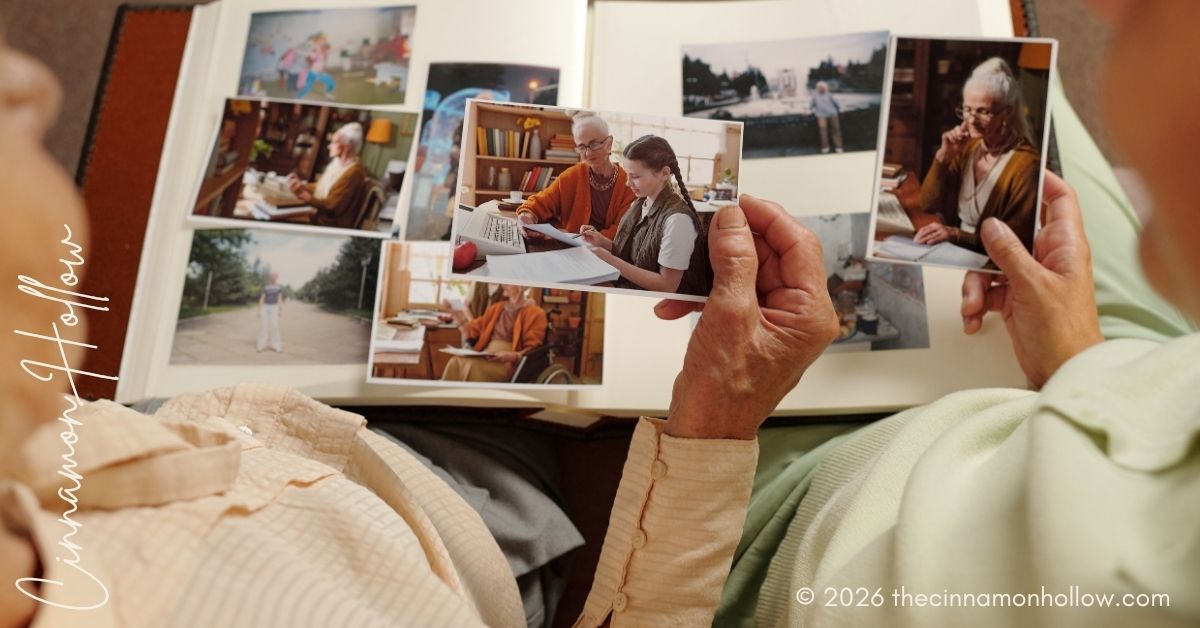
A person’s room, chair or bedside table can hold more than storage. Photos, blankets, perfume, prayer books, sports programmes, old postcards or a familiar biscuit tin can help them feel anchored when days blur together.
Avoid clearing too much in the name of tidiness. A worn cushion or old diary may look ordinary to someone else, but it may hold a story your relative still reaches for. If space is limited, rotate items gently rather than removing them all at once. One framed wedding photo, a seasonal card and a familiar throw can say more than a full shelf of things chosen by somebody else.
Build Rest Into the Day
Older relatives may enjoy visitors, outings and family news while still needing time afterwards to recover. Tiredness can show up as irritability, silence or confusion, not only yawning. Watch for the point where a visit stops feeling pleasant and starts becoming effort.
It helps to remember that short periods of solitude after socialising can give older adults time to recharge rather than feeling abandoned. A peaceful half hour with a book, radio or garden view can be part of the routine, not a gap that needs filling.
Start with one routine your relative already trusts, then protect it. Later life can bring new rooms, new helpers and new limits, but familiar rhythms still give the day shape, dignity and a sense of belonging.

Meg is an author at Cinnamon Hollow. She writes on a variety of topics sharing tips and ideas for daily life.