Key Takeaways
- Fixed tooth replacements are stable, functional, and look like real teeth.
- The main types include dental implants, bridges, and crowns.
- Proper maintenance greatly improves the lifespan of these restorations.
Tooth loss is a common issue among adults and can affect everything from chewing ability to personal confidence. Addressing this concern is essential for both health and wellbeing. Modern dental solutions give adults the chance to restore what has been lost, and dental implants are among the most advanced and trusted options available. Unlike older removable alternatives, fixed tooth replacements offer impressive durability and a natural look that supports everyday function and comfort. Advancements in fixed tooth replacement technology mean more people can regain a full, healthy smile and enjoy renewed stability in their bite. These options are designed not only to fill gaps but also to deliver a seamless, aesthetically pleasing appearance. Understanding what differentiates these solutions helps patients choose the right approach for their needs and lifestyle.
Understanding Fixed Tooth Replacement Options
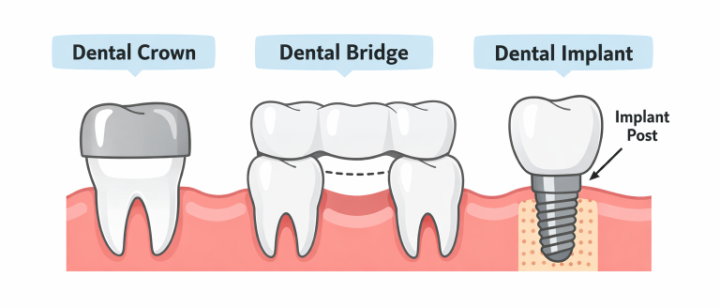
Fixed tooth replacement options are custom dental prosthetics securely fastened and not intended for daily removal. This quality differentiates them from removable dentures and partials. Three main types are commonly used in modern dentistry:
- Dental Implants: These titanium posts are placed in the jawbone to serve as artificial tooth roots, which are then topped with a custom-made dental crown. Implants are widely recognized for their strong foundation and longevity.
- Bridges: Dental bridges fill one or more gaps using prosthetic teeth anchored either to natural neighboring teeth or dental implants. Bridges are effective when several adjacent teeth are missing and provide natural-looking results.
- Crowns: A dental crown is a cap that covers a damaged or decayed tooth, restoring its shape, function, and strength. Crowns are also used on top of dental implants.
Benefits of Fixed Tooth Replacements
Choosing a fixed tooth replacement option brings a range of advantages for adults looking to improve their dental health and everyday life:
- Stability: Unlike removable options, fixed prosthetics do not shift or move, so speaking and eating feel more natural and secure.
- Natural Appearance: High-quality materials and custom shading ensure these prosthetics closely match your natural teeth.
- Durability: When cared for properly, fixed replacements often last for decades, making them a wise investment.
Research reported by the Los Angeles Times highlights how dental implants, in particular, can help preserve jawbone health in the long term, making them a more sustainable solution than traditional dentures.
Comparing Fixed and Removable Options
Removable dentures are a widely recognized solution to missing teeth, but fixed replacements demonstrate key benefits that often make them the preferred option. Fixed solutions, such as implants, boast longer lifespans and greater comfort because they are securely attached and mimic the feel and function of natural teeth. Removable dentures, while cost-effective initially, can slip or cause discomfort during eating or speaking.
Considerations Before Choosing Fixed Replacements
Before selecting any tooth replacement option, certain factors must be taken into account to ensure lasting success and comfort:
- Bone Health: Sufficient bone structure is necessary for implants. A thorough dental evaluation can determine if additional procedures, such as bone grafting, are needed before the implant process begins.
- Oral Hygiene: Keeping the mouth clean with brushing, flossing, and regular dental visits is crucial for the longevity of both natural teeth and fixed prosthetics.
- Cost: Fixed replacements generally require a higher initial investment, but they provide substantial value through reliability and appearance.
Maintenance and Care
While fixed replacements are designed for resilience, daily maintenance is vital to their success. Simple routine care includes:
- Brushing and flossing every day to control plaque buildup around both natural teeth and prosthetics.
- Making dental check-ups and professional cleanings a regular part of your routine.
- Avoiding hard or sticky foods that can damage either crowns, bridges, or implants.
- Not using teeth as tools to open packaging or bottles, which could dislodge or fracture restorations.
It’s also wise to discuss any lifestyle habits or health conditions with your dentist before starting treatment, as these factors can influence how well fixed replacements perform over time. For example, individuals with chronic conditions like diabetes or those who smoke may need added support to ensure optimal healing and prosthesis success. Your dentist may also recommend specialized cleaning aids, such as interdental brushes or water flossers, to enhance at-home care and protect your investment for years to come.
Additionally, regular monitoring for any signs of gum inflammation, tenderness, or changes in bite is important. Early detection of issues allows them to be addressed promptly, reducing the risk of complications. Many dental clinics now use digital tools and imaging to track the fit and health of implants, bridges, and crowns over time.
This approach offers peace of mind and helps maintain that beautiful, functional smile without unpleasant surprises. Patients are encouraged to ask detailed questions during consultation appointments, clarifying every step in the replacement process from surgical procedures to long-term care. Doing so helps set realistic expectations and prepares individuals for the journey ahead. Support groups or online forums can also be valuable, providing insights and tips from those who have already undergone similar treatments. Some dental practices offer patient education sessions and literature, helping patients remain informed and confident in handling their fixed replacements from day one.
Conclusion
Fixed tooth replacement options deliver reliable, functional, and attractive solutions for adults facing tooth loss. These long-lasting treatments restore biting ability, confidence, and oral health while also helping maintain proper jaw alignment and preventing surrounding teeth from shifting. With advancements in dental technology, modern replacements are designed to look and feel increasingly natural, making everyday activities such as eating and speaking more comfortable and stress-free.
By understanding their advantages, treatment process, and key considerations, patients can make well-informed decisions that support both short-term comfort and long-term oral health. With consistent oral hygiene and regular dental check-ups, these restorations can provide lasting performance and significantly enhance overall quality of life, ensuring patients enjoy durable, functional, and confident smiles for many years to come.
The owners and authors of Cinnamon Hollow are not doctors and this is in no way intended to be used as medical advice. We cannot be held responsible for your results. As with any product, service or supplement, use at your own risk. Always do your own research and consult with your personal physician before using.

Meg is an author at Cinnamon Hollow. She writes on a variety of topics sharing tips and ideas for daily life.