A wood-to-gas conversion places a gas insert inside an existing wood-burning fireplace. The right model should fit the firebox, provide suitable heat, and complement the room. Comparing the main selection factors helps homeowners avoid choosing an insert based on appearance alone.
A professional inspection shows which inserts can work with the existing fireplace and chimney. Homeowners can then compare venting, fuel type, heating capacity, controls, appearance, and overall project cost. The sections below explain what each factor means and why it deserves attention before making a final choice.
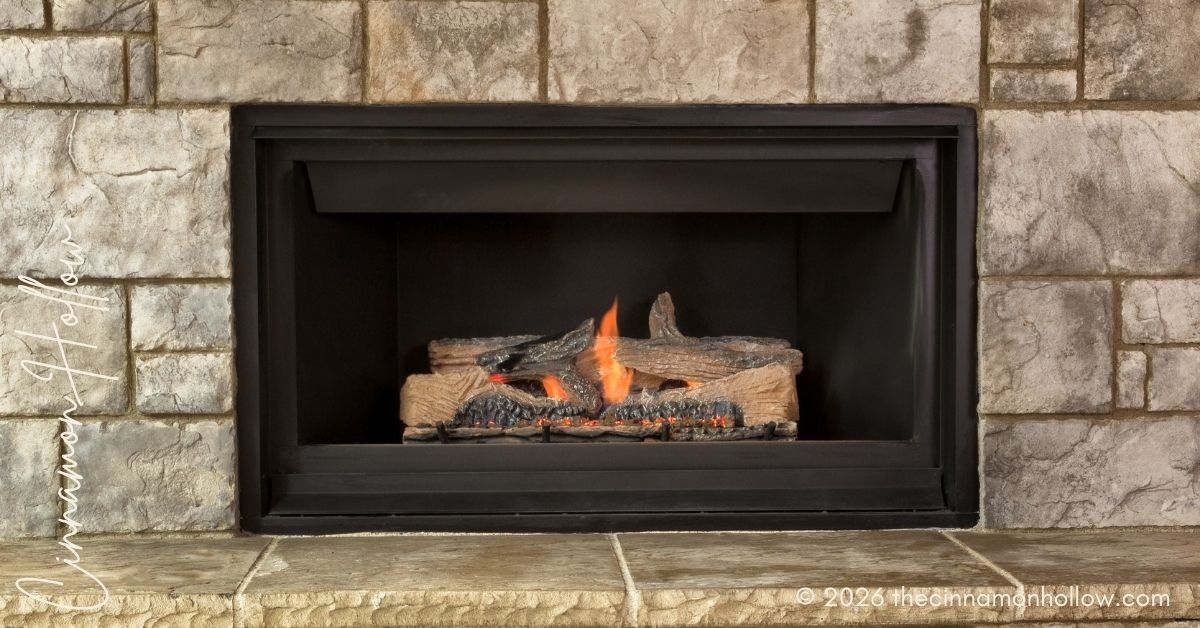
Check the Firebox Dimensions and Insert Fit
Homeowners who plan to convert wood fireplace to gas should start with the firebox. This recessed section is the space where the wood fire previously burned. A professional measures its width, height, and depth to determine which gas inserts can physically fit inside it.
The measurements also affect how the finished unit will look within the current surround. An insert that suits the proportions of the opening can create a more balanced appearance once installed. Accurate sizing therefore helps narrow the available choices before homeowners start comparing design details and controls.
Match Heating Capacity to the Room
Gas inserts come with different heating capacities, so room size should influence the selection. A smaller den may have different comfort needs than a larger family room or open living area. Homeowners should also consider how frequently they expect to use the fireplace for supplemental warmth.
A professional can compare the firebox dimensions with the room’s heating requirements. This helps prevent appearance from becoming the only factor behind the decision. The goal is to find an insert that fits the existing opening while also supporting the desired comfort level in the room.
Confirm Venting and Fuel Requirements
Direct-vent gas inserts use liners routed through the existing masonry chimney. One liner carries exhaust outside, while another supplies combustion air needed for operation. A professional inspection can confirm chimney dimensions and determine which available insert options suit the venting setup.
Homeowners should also confirm whether the project will use natural gas or propane. People who want to convert wood fireplace to gas can then focus on models designed for the planned fuel source. Reviewing fuel and venting early keeps these installation requirements connected to product selection.
Compare Appearance and Operating Controls
Once fit and technical requirements are clear, homeowners can compare the visual details of available inserts. Traditional-style models may include realistic logs, ember effects, decorative faces, and different fireback choices. These features can help the new unit coordinate with the existing hearth, surround, and nearby room décor.
Operating controls deserve attention as well because they affect everyday use. Some gas inserts can operate through a remote control or wall switch, depending on the selected model. Comparing both design and control options helps homeowners choose a unit that suits their preferred look and routine.
Review the Complete Installed Cost
The project cost includes more than just the purchase price of the gas insert itself. Unit size, venting requirements, and gas-line complexity can influence the final installed amount. Looking at the complete project cost gives homeowners a more realistic basis for comparing suitable models.
A professional consultation can connect the selected unit with the work required for the conversion. Homeowners can then weigh heat output, appearance, controls, and installation needs against their planned budget. This approach helps keep the final decision focused on the complete fireplace project rather than one feature or price alone.
Choosing the right gas insert is only one part of a successful wood-to-gas conversion. Homeowners should also work with an experienced fireplace professional who can handle proper installation and provide reliable support after the project is complete. Access to professional repair and maintenance services can also help keep the fireplace operating as intended over time. Selecting a dependable service provider gives homeowners one trusted source for installation, future upkeep, and necessary repairs.

Meg is an author at Cinnamon Hollow. She writes on a variety of topics sharing tips and ideas for daily life.