Hormonal shifts during midlife can feel like a wild ride.
One day you feel fine. The next time you can’t sleep, your mood swings and you experience hot flashes. Menopause onset symptoms vary from woman to woman, but these daily routines can help.
The best part?
You don’t have to spend a lot of money on treatments. Just easy methods you use regularly that support your body — they don’t force it.
Here’s how to thrive through it all…
Here’s what’s ahead:
- What Are Menopause Transition Signs?
- Why Daily Habits Matter More Than You Think
- 6 Gentle Daily Practices To Try
- Building Your Long-Term Routine
What Are Menopause Transition Signs?
The menopause transition (also called perimenopause) is the phase before menopause officially starts.
It typically starts in a woman’s early to mid-40s and can last from 4-10 years. Hormones rise and fall during this time which produces many physical and emotional changes.
According to recent studies, around 80% of women experience symptoms while transitioning into menopause. That’s a lot of women that are unprepared for what’s to come. Being prepared and knowing what to look for can really help.
Some of the most common menopause symptoms include:
- Irregular periods
- Hot flashes and night sweats
- Trouble sleeping
- Mood swings or irritability
- Brain fog
- Joint aches
- Changes in skin and hair
Keep in mind that every woman will have different experiences. Some women have very few mild symptoms, while others have multiple symptoms occurring at once.
Awareness is everything. Recognizing these changes early on allows you to take proactive steps with proper treatment rather than feeling overwhelmed. A lot of women write off these symptoms as stress or aging. However, these changes are signaling a transition happening – they warrant attention. The sooner you recognize them, the better.
Why Daily Habits Matter More Than You Think
Big lifestyle changes are great, but they’re hard to stick with.
Little habits you do everyday? Yes, those are the habits that change the way you feel. Research shows this. Support your body with small daily actions and your hormones have a greater opportunity to regulate.
Think about it:
- Sleep affects mood
- Food affects energy
- Movement affects sleep
- Stress affects everything
Every day’s decision affects the next. Which is why the little things matter most at this stage of life.
6 Gentle Daily Practices For Hormonal Health
Time for the important stuff… Here are 6 easy peasy gentle practices you can squeeze into your busy day. They don’t require special equipment or hours of your time. Simply choose one or two to incorporate into your daily routine and stick with it. You’ll begin to see results after weeks and months.
Move Your Body — But Be Kind To It
Daily movement is one of the best gifts you can give your changing body.
Keep it light. Intense exercise releases stress hormones so avoid intense workouts and instead:
- A 20-minute walk
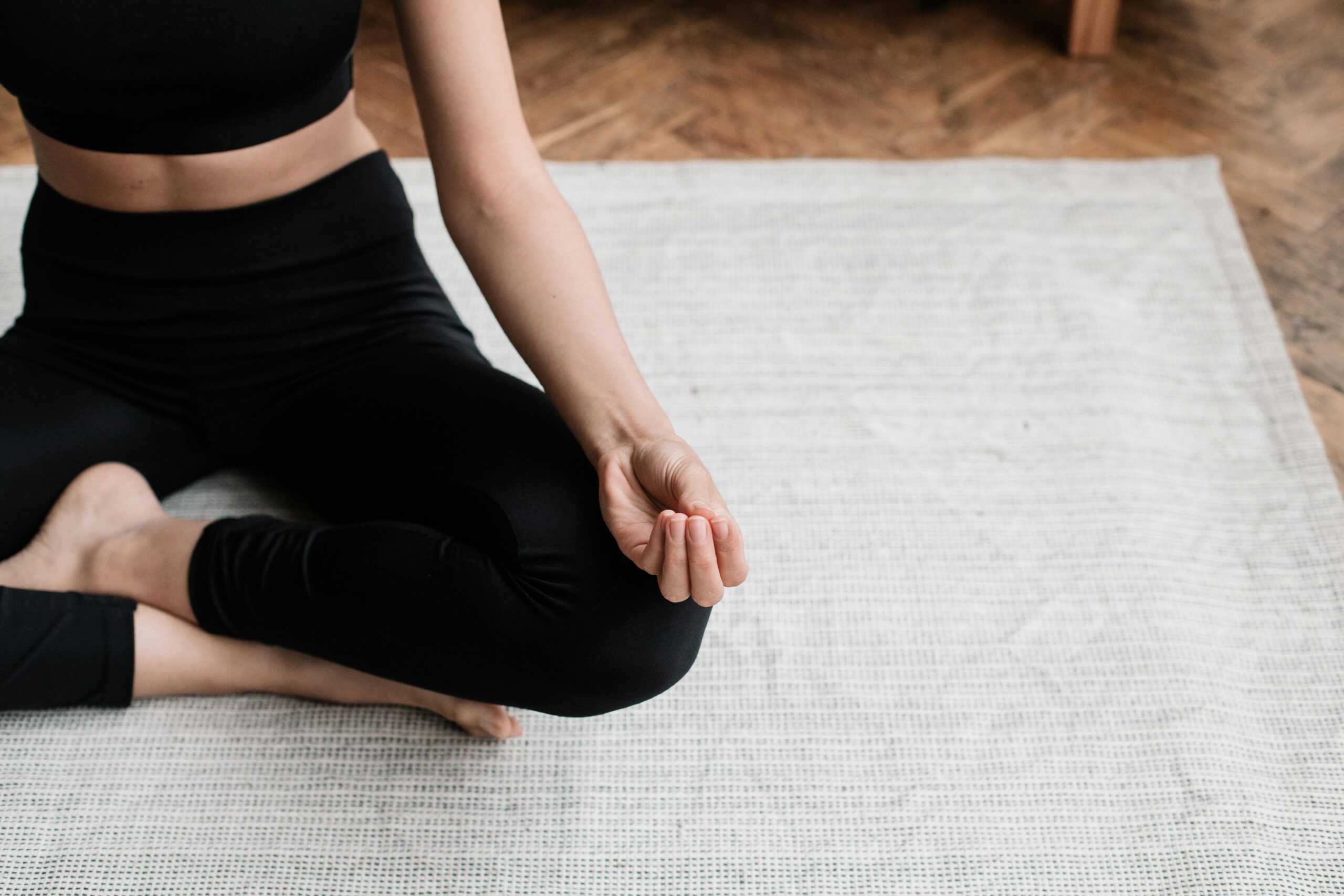
- Yoga or stretching
- Swimming laps
- Light strength training
Exercise isn’t about burning calories. It’s about maintaining healthy joints and consistent moods. Walking after meals also helps regulate blood sugar, minimizing hot flashes and mood swings. Shoot for 30 minutes of activity on most days of the week.
Make Sleep A Real Priority
Sleep is where the real healing happens.
The thing is…many signs and symptoms of the menopause transition can disrupt sleep quality. Night sweats, racing thoughts and waking frequently, are all examples. Making minor adjustments before bed can create BIG change.
Try these:
- Keep the bedroom cool (around 65°F or 18°C)
- Skip screens an hour before bed
- Sip chamomile or peppermint tea
- Stick to the same sleep schedule, even on weekends
Sleeping 7-9 hours allows your body to regulate hormones, mood, and energy. WIN WIN WIN.
Eat To Support Your Hormones
Food is your daily medicine — and your daily mood booster.
You don’t have to follow a strict diet. Simply try to eat more healthy whole foods at each meal. Here are the basics:
- Leafy greens like spinach and kale
- Fatty fish such as salmon (rich in omega-3s)
- Beans, lentils, and chickpeas
- Whole grains
- Berries and citrus fruits
- Nuts and seeds (especially flax and chia)
Reduce refined foods like packaged snacks, excess sugar and alcohol. Small changes can help reduce bloating, mood changes and brain fog.
Tame Daily Stress
Stress and hormones don’t mix well.
Increased stress hormones can drastically exacerbate menopause symptoms. That’s why daily stress management is so crucial during menopause. The goal isn’t to avoid stress. (You can’t do that.) The goal is to manage stress.
Some quick ideas:
- 5 minutes of deep breathing
- A short meditation app session
- Journaling your thoughts
- Stepping outside for fresh air
- Calling a friend
One of these each day soothes the nervous system. Which helps the rest to be easier.
Drink More Water Than Usual
Hydration sounds boring… but it really matters.
Hormonal fluctuations may make you thirsty, dry-mouthed and exhausted. Drink water all day long for:
- Energy levels
- Skin hydration
- Joint comfort
- Steady mood
Drink approximately 8 glasses daily. Keep a water bottle with you at all times. If you find water boring, squeeze some lemon, cucumber or fresh mint.
Lean On Your People
Community matters more than ever during this phase of life.
According to a recent study, 42% of women say menopause symptoms have made them lose ambition. That means a lot of women suffer in silence. Find someone to talk to. Sometimes just verbalizing your experience can ease your burden. You’ll also learn new tips from other women who have been there.
Some easy ways to build support:
- Join a local or online menopause group
- Open up with friends going through the same thing
- Ask a partner or family for help with daily tasks
- Talk to a clinician who understands this stage of life
You’re not meant to figure this out alone.
Bringing It All Together
The menopause transition isn’t something to dread.
With a few simple daily practices, this season can be an opportunity to slow down and nurture yourself more deeply. Simply:
- Listen to what your body needs
- Stick with small, consistent habits
- Eat, sleep, and move with intention
- Ask for support when needed
- Be patient — change takes time
There is no one-size-fits-all blueprint. The goal is to show you what’s possible so you can discover what feels good for you and start from there. Choose one or two things from the list above to begin with. Small victories compound into a far easier journey through all phases of hormonal flux.
The owners and authors of Cinnamon Hollow are not doctors and this is in no way intended to be used as medical advice. We cannot be held responsible for your results. As with any product, service or supplement, use at your own risk. Always do your own research and consult with your personal physician before using.

Meg is an author at Cinnamon Hollow. She writes on a variety of topics sharing tips and ideas for daily life.