You might be feeling a little worn down by it. One meal is fine, then the next bites of salad, chicken, or popcorn start packing into the same spot again, and before long you are reaching for floss, a toothpick, or your tongue without even thinking. It can seem minor at first, but when food keeps getting stuck between teeth, it often starts to feel irritating, embarrassing, and hard to ignore. To help keep your smile healthy with routine cleanings in Garden City, it may be worth paying attention to the cause.
That frustration makes sense. Repeated food trapping is not always just about something fibrous getting caught. It can point to a change in the way your teeth fit together, the shape of a filling, gum changes, tooth movement, or even decay. The short version is simple. A general dentist looks at the contact between the teeth, the health of the gums, the bite, and any damage around that area to find the real cause before recommending a fix.
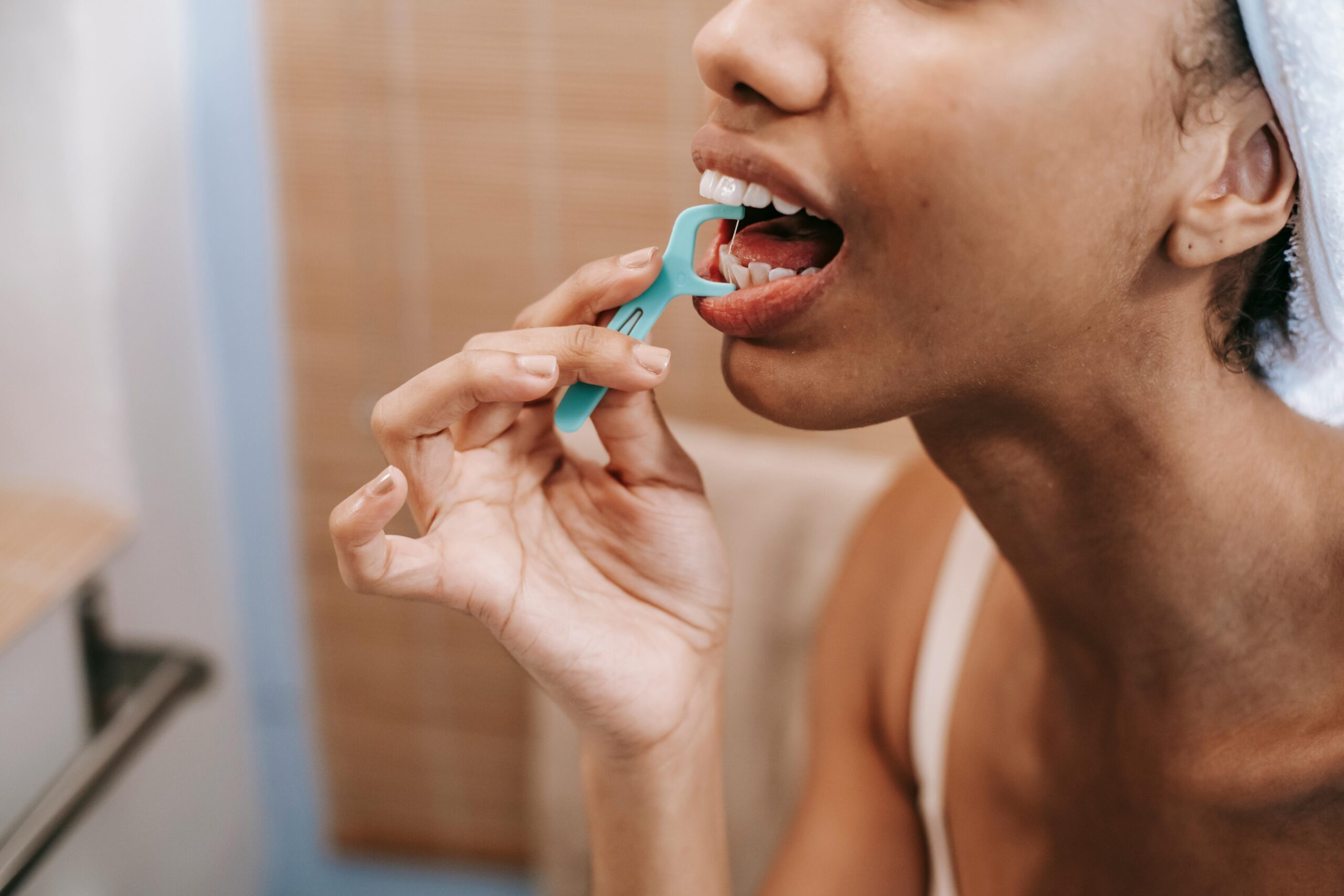
Why does food keep getting stuck between teeth in the same place?
When this keeps happening in one area, there is usually a reason. Healthy teeth have contact points that help keep food from being forced down between them. If that contact opens up, becomes misshapen, or shifts, food can wedge into the space over and over. You may notice soreness when floss snaps through too easily, or you may see bleeding after meals. Because of that pattern, you might wonder if brushing harder will solve it. Usually, it will not.
A dentist evaluating repeated food trapping between teeth often starts with the simplest question. What changed? Maybe a filling was placed and now the area traps food. Maybe you had no issue for years, then one tooth drifted slightly. Maybe your gums have receded, creating a small gap where there did not seem to be one before. In some cases, a cavity between the teeth changes the contour and creates a catch point.
There is also the gum side of the story. If plaque builds up where food gets trapped, the gums can become inflamed, and inflammation can make the space easier for debris to pack into. That can turn into a cycle. Food gets stuck, the area gets harder to clean, the gum tissue swells, and then even more food gets trapped. The National Institute of Dental and Craniofacial Research offers helpful basics on oral hygiene that support cleaning around these problem spots.
How do dentists check whether the problem is the teeth, the gums, or your bite?
This is where the visit becomes more specific. A dentist will usually inspect the area visually, floss between the teeth to test the contact, and look for signs like worn edges, rough fillings, cracked enamel, or recession. X rays are often part of the process because they can show decay between teeth, bone levels, and whether a restoration is overhanging or not shaped well.
Your gums matter here too. If the tissue is bleeding, tender, or pulling away from the tooth, the dentist may measure the gum pockets and check for signs of periodontal disease. If you have ever wondered whether gum disease can really contribute to this kind of daily annoyance, the answer is yes. Questions about symptoms and progression are addressed in this gum disease expert resource.
Then there is your bite. If one tooth is taking extra force when you chew, it can shift over time or create wear that opens a contact. A dentist may ask you to bite on marking paper, move your jaw side to side, or describe when the trapping happens most. Is it only with stringy foods, or nearly every meal? Does it happen after dental work, or did it start slowly? Those details help narrow the cause.
What problems can repeated food packing lead to if you wait?
It is easy to put this off because it does not always hurt right away. Still, the longer food packs into the same area, the more likely you are to see gum irritation, bad breath, decay, or tenderness when chewing. In some people, the issue stays annoying. In others, it becomes a source of infection or a reason a filling has to be replaced.
Research has also looked at how open contacts can affect comfort and gum health around dental restorations. One review discussing contact loss and food impaction around implant restorations can be found here. Even if you do not have implants, the same idea is familiar. When teeth or restorations no longer hold the right contact, food impaction can become a repeated source of irritation.
What might the dentist recommend after evaluating chronic food impaction?
The answer depends on the cause. If the issue is a rough or poorly shaped filling, reshaping or replacing it may solve the problem. If a cavity is changing the tooth contour, treating the decay can restore a better contact. If gum disease is part of the picture, the first step may be cleaning below the gums and improving home care. If a tooth has shifted, orthodontic movement or another restorative option may come up.
So, where does that leave you? Usually with more than one option, but not all options carry the same value.
| Possible Cause | What You Might Notice | How a Dentist Evaluates It | Common Next Step |
|---|---|---|---|
| Open contact between teeth | Floss slips through too easily, food wedges after meals | Visual exam, floss test, bitewing X rays | Restore or adjust contact |
| Rough or overhanging filling | Food catches near a filling, gum feels sore | Exam, X rays, explorer check | Polish, reshape, or replace filling |
| Gum recession or gum disease | Bleeding, tenderness, visible gap near gumline | Gum measurements, cleaning history, X rays | Periodontal care and home care changes |
| Tooth movement or bite changes | Trapping started over time, chewing feels different | Bite analysis, wear patterns, exam | Adjust bite or discuss tooth movement options |
What can you do right now before your dental visit?
1. Track the pattern. Notice which foods trigger it, whether the spot bleeds, and if it started after dental work. That small timeline can make a dentist assessment for food stuck between teeth much more efficient.
2. Clean gently, not aggressively. Floss once a day and consider an interdental brush or water flosser if your dentist has suggested one before. Avoid jamming toothpicks into the area, since that can injure the gums and make inflammation worse.
3. Book an exam before it turns into pain. A general dentist can often spot whether this is a contact issue, a gum issue, or decay before it becomes a larger repair. That is especially helpful if the area has become tender or you are avoiding chewing on that side.
When should you stop watching and get it checked?
If food packs into the same space for more than a week or two, if the gum bleeds often, if floss shreds, or if the area hurts, it is time to have it looked at. You are not overreacting. Small changes in contact or gum health are often easier to correct early, and getting clear answers can be a relief.
You do not have to keep managing the same annoying spot meal after meal. A careful evaluation of food trapping between teeth can reveal what changed and what will actually help. If this has become a routine part of eating, schedule a dental exam and get a plan that fits the real cause.
The owners and authors of Cinnamon Hollow are not doctors and this is in no way intended to be used as medical advice. We cannot be held responsible for your results. As with any product, service or supplement, use at your own risk. Always do your own research and consult with your personal physician before using.

Meg is an author at Cinnamon Hollow. She writes on a variety of topics sharing tips and ideas for daily life.