Key Takeaways
- Group therapy offers a supportive community where open sharing and mutual understanding flourish.
- It helps lessen feelings of isolation by promoting belonging and acceptance.
- Participants benefit from sharing and learning diverse coping strategies and perspectives.
- Group settings offer a safe place to practice healthier social behaviors and communication skills.
- Sessions are often more accessible and affordable than individual therapy, with expanded digital accessibility.
Group therapy creates a powerful setting for people to connect, heal, and grow. Unlike individual therapy, this approach gathers those facing similar struggles, offering them a chance to develop relationships, practice new skills, and truly feel supported. For anyone considering options for mental health recovery, Denver Rehab In Colorado provides access to group therapy resources that can make a genuine difference in the journey to wellness.
Joining a group setting can help individuals feel less alone in their struggles and foster authentic connections. These groups offer a unique chance to receive feedback, encouragement, and advice, all while building confidence in a safe and supportive environment. Group therapy gives people an arena to discuss their experiences, emotions, and challenges in ways they may never have experienced before.
Through regular participation, group therapy participants develop skills not just vital for personal progress, but also for cultivating healthy relationships beyond the therapy room. This sense of community is especially critical for those who have felt misunderstood or isolated.
In many cases, group therapy allows people to see their problems from a different viewpoint and discover approaches to coping or problem-solving that they might not have considered alone. According to the American Psychological Association, group therapy has proven effective for a variety of mental health conditions, including depression, anxiety, and substance use disorders.
Building a Supportive Community
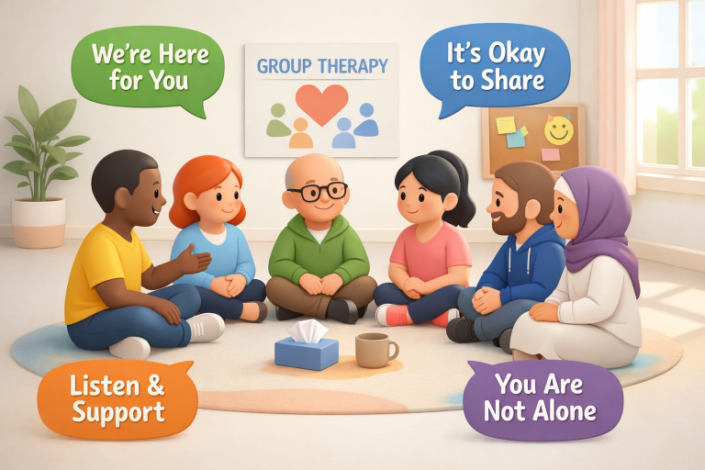
One of the most impactful benefits of group therapy is the chance to belong to a supportive community. Participants are encouraged to share their stories, listen to others, and understand that their challenges are not unique. This experience can dissolve the walls of isolation, encouraging trust and openness among group members.
Group therapy also nurtures emotional resilience by showing members how others handle setbacks and triumphs. Witnessing this growth in peers can be motivating, instilling hope and a sense of solidarity during the recovery process.
Learning from Shared Experiences
Every group member brings a distinct background, perspective, and solution to the table. The group facilitates learning through storytelling, sharing coping tools, and offering honest feedback. For instance, hearing others detail their techniques for managing stress or emotional pain can inspire participants to try new methods or strategies in their own lives.
Sometimes, someone struggling with a recurring challenge gains clarity from feedback or advice given to another member. This vicarious learning is a hallmark of effective group therapy. Recent research featured in Psychology Today supports how shared experience fosters profound healing and insight in group settings.
Enhancing Social Skills
Frequent interaction within the group enables participants to practice communication techniques, assertiveness, empathy, and conflict resolution in a structured, supportive context. Many skills built during group therapy, like active listening, giving constructive feedback, and setting personal boundaries, are directly transferable to everyday relationships with family, friends, and colleagues.
Such growth is particularly beneficial for people struggling with social anxiety or interpersonal difficulties, providing a training ground to gain confidence and learn from both successes and setbacks.
Practicing New Behaviors
Group settings allow individuals to test new behaviors and receive immediate, empathetic feedback. This process is invaluable for breaking old patterns and reinforcing positive change. Someone working on becoming more assertive, for example, can practice speaking up in a safe group environment and get constructive feedback from peers and a therapist.
This real-time feedback helps participants recognize blind spots and adjust their behaviors accordingly, accelerating emotional growth and self-awareness.
Cost-Effectiveness and Accessibility
Compared to individual counseling, group therapy is often more affordable, and the cost is distributed among participants. The trend toward online sessions has made this support accessible to a broader population, helping reach those who may lack resources or transportation. This combination of affordability and flexibility is crucial for building long-term commitment to mental health care.
Additionally, different types of group therapy are now available to address a wider range of concerns, making it possible for people to find groups that match their specific needs. From support for addiction recovery to trauma-focused groups or specialized sessions for grief and loss, group therapy continues to evolve and adapt to societal needs. With apps and platforms dedicated to facilitating remote group sessions, there is also a greater opportunity to join groups led by trained professionals, regardless of location.
Real-Life Impact
Studies consistently show significant improvements in well-being, social functioning, and symptom reduction for people who participate in group therapy. According to research from The Dorm, young adults in in-person group programs reported a 134 percent increase in overall well-being, demonstrating the power of peer support during challenging times.
Clients often express feeling a renewed hope and motivation when they not only witness their own growth but also celebrate the accomplishments of their peers. The shared victories within the group provide tangible reminders that change is possible, fostering a positive feedback loop of encouragement and practical support. Group therapy frequently becomes a foundational part of many individuals’ recovery journey, as people continue to build lasting connections even after their formal participation ends. In this way, group therapy transcends the therapy room, creating a ripple effect of positivity that extends into families and communities.
Conclusion
Group therapy stands out as a transformative resource for those seeking personal growth and healing. By gathering people who share similar struggles, it strengthens community, nurtures new skills, and provides powerful opportunities for insight and change. Anyone interested in taking the next step on their recovery journey should consider the deeply positive impact that joining a group can bring.
The owners and authors of Cinnamon Hollow are not doctors and this is in no way intended to be used as medical advice. We cannot be held responsible for your results. As with any product, service or supplement, use at your own risk. Always do your own research and consult with your personal physician before using.