One of the first questions most women ask when considering breast augmentation is how long the results will actually last. It’s a fair question, this is a significant decision, and understanding what to expect over the long term matters as much as understanding the procedure itself. The short answer is that modern implants are built to last, but they are not lifetime devices. At some point, most women will need to revisit their implants.
According to the American Society of Plastic Surgeons, 41,271 cosmetic breast implant removal procedures were performed in the U.S. in 2024 alone, alongside 306,196 new augmentation procedures. Implant replacement is a normal, well-understood part of the journey for many women. For those exploring their options in Surrey, BC, there’s a well-established community of board-certified surgeons known for clear, honest guidance on both initial augmentation and long-term implant care.
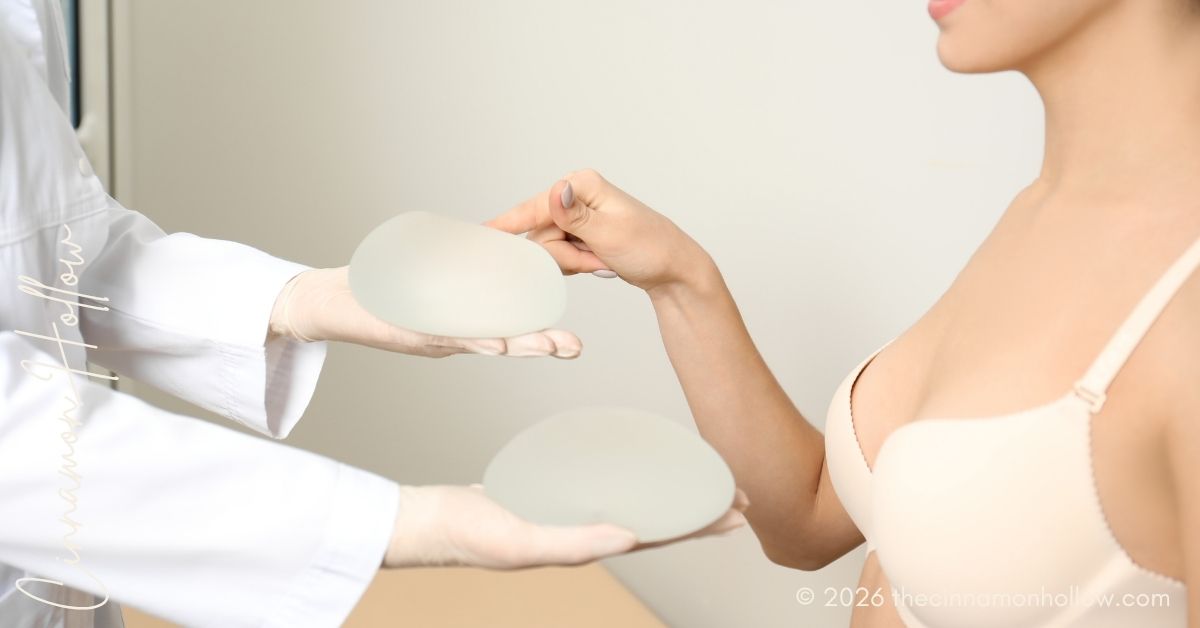
Lifespan of Breast Implants
Modern breast implants, both silicone and saline, are designed with durability in mind, but they are classified by the FDA as non-lifetime devices. Here’s what the data actually shows:
Silicone gel implants: Typically last 10 to 20 years. A 2025 peer-reviewed study confirmed that silicone implants retain over 90% of their original tensile strength and elasticity at the 10-year mark.
Saline implants: Generally last 10 to 15 years. The shell ages similarly to silicone, but a rupture is immediately visible as the saline deflates harmlessly into the body.
Cohesive gel (gummy bear) implants: Newer-generation form-stable implants with the lowest reported rupture rates. Many surgeons expect these to outlast traditional silicone, though long-term data beyond 15 years is still accumulating.
Importantly, there is no automatic 10-year replacement rule. You don’t need to replace implants simply because a decade has passed, only if there’s a medical reason or you want a change. Many women keep their original implants for 15 to 20 years without issue.
Signs That Implants May Need Attention
Implants don’t come with a warning light, but there are clear signs that warrant a consultation with your surgeon. Some require prompt attention, others are more gradual:
- Visible deflation: With saline implants, a rupture is obvious within days. One breast will noticeably lose volume. This is not an emergency, but it does require replacement.
- Silent rupture (silicone): Silicone gel holds its shape even when the shell is compromised, which is why the FDA recommends MRI or ultrasound screening starting 5–6 years post-surgery and every 2–3 years after. No symptoms doesn’t mean no rupture.
- Capsular contracture: The scar tissue around the implant thickens and tightens, causing hardness, discomfort, or visible distortion. Grades III and IV typically require surgical correction.
- Implant displacement or rippling: Implants can shift position over time, or visible rippling can appear, particularly in women with limited natural breast tissue. Both are correctable surgically.
- Changes after pregnancy or significant weight change: Breast tissue changes significantly with pregnancy and weight fluctuations; some women choose to revisit their implants afterward to restore the original aesthetic.
Choosing breast augmentation in Surrey BC involves more than selecting implant size or shape. It’s also about understanding how implants are monitored over time and when follow-up care may be needed. Plastic Surgery Group at City Centre emphasizes patient education throughout the process, ensuring every patient understands both the immediate recovery and the long-term considerations of breast implants.
Reasons To Replace Implants
Not all implant replacements happen because something has gone wrong. Many women choose to revisit their implants for entirely elective reasons. The most common motivations include:
- Upgrading to newer implant technology: Cohesive gel and next-generation silicone offer improved feel, longevity, and natural movement compared to older models
- Size change: Preferences evolve; many women choose to go smaller as they age or after their lifestyle changes
- Adding a lift: After pregnancy or significant weight loss, a breast lift combined with implant replacement restores both volume and position
- Implant removal without replacement: A growing number of women are choosing explantation, often combined with a lift, as a valid long-term path
There’s no right or wrong answer, all of these are legitimate choices that experienced surgeons handle routinely. The important thing is making the decision based on honest information rather than outdated myths.
How to Monitor Your Implants Over Time
Long-term implant health comes down to consistent monitoring. The FDA recommends MRI or ultrasound screening for silicone implants starting 5–6 years after surgery and every 2–3 years after that, since silent ruptures often show no symptoms. Beyond imaging, an annual self-check for changes in shape, firmness, or symmetry, and a brief check-in with your surgeon every year or two, is all most patients need.
One practical step worth doing now: keep your implant card, manufacturer, model, serial number, and placement date somewhere safe. You’ll need it for any future consultations or replacements. Monitoring doesn’t require constant worry. It just requires staying engaged with your health and maintaining the relationship with your surgical team over time
Final Thoughts
Breast augmentation can produce results that last a decade or more and, for many women, significantly longer. If you’re considering augmentation for the first time, or you’ve had implants for several years and are starting to think about what comes next, the right starting point is an honest conversation with a board-certified surgeon who can assess your specific situation.
So, how long does breast augmentation last, and when do implants need replacing? Most implants last between 10 and 20 years. Replacement is needed when there’s a medical reason, rupture, capsular contracture, or displacement or when you simply want a change. There’s no mandatory timeline, no expiry date, and no reason to act unless something requires it. Stay informed, monitor regularly, and make decisions when the time is actually right for you.
The owners and authors of Cinnamon Hollow are not doctors and this is in no way intended to be used as medical advice. We cannot be held responsible for your results. As with any product, service or supplement, use at your own risk. Always do your own research and consult with your personal physician before using.

Meg is an author at Cinnamon Hollow. She writes on a variety of topics sharing tips and ideas for daily life.