Owning a European car can feel great right up until a small dashboard light turns into a very expensive surprise. Brands like BMW, Audi, Mercedes-Benz, Volkswagen, and MINI are built with precision, but they also expect precise care. If you want your car to stay smooth, safe, and reliable, you need more than basic maintenance habits. You need to understand what makes these vehicles different and how to stay ahead of problems before they turn your schedule and budget upside down.
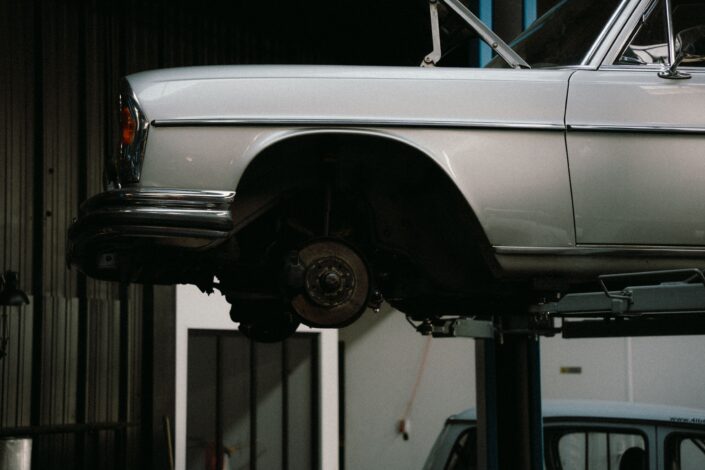
Choose a Shop That Understands European Engineering
Not every repair shop is equipped for European cars. That matters more than a lot of owners realize. A technician can be great with domestic or standard import vehicles and still miss key details on a BMW cooling system or a Mercedes electrical fault.
You want a shop with factory-level diagnostic tools, brand familiarity, and experience with common failure patterns. That includes knowing which parts tend to wear early, which software updates matter, and which warning lights signal something minor versus something urgent.
If you’re looking for specialized service, ottoeuropeanrepair.com focuses on European auto repair and maintenance, which is exactly the kind of expertise these vehicles usually need.
The right shop won’t just fix what broke. It will help you spot what’s likely to fail next, which is how smart ownership works.
Know What Makes European Cars Different
European cars often deliver sharp handling, refined interiors, and engines that feel eager even on an ordinary drive to school or work. That polished experience comes with more complex systems than many drivers expect.
You’re dealing with tighter engineering tolerances, specialized fluids, advanced electronics, and model-specific service schedules. A quick oil change isn’t always just a quick oil change when your car requires a particular oil grade, filter spec, and reset procedure.
Many owners get into trouble by treating a European vehicle like any other car in the lot. That approach can lead to rough shifting, warning lights, fluid leaks, or sensors acting like they woke up on the wrong side of the garage.
If you understand the design mindset behind your car, you’re already in a better position to protect it.
Follow the Service Schedule, Not Your Guesswork
If your car’s manual says service is due at a certain interval, take that seriously. European vehicles usually have maintenance schedules built around real engineering needs, not random dealership drama.
Pay close attention to:
– Oil and filter changes
– Brake fluid replacement
– Coolant service
– Transmission service
– Spark plug intervals
– Timing belt or chain inspections
Skipping one item can trigger a domino effect. Old oil can stress turbo components. Worn spark plugs can reduce fuel economy and strain the ignition system. Ignored brake fluid can absorb moisture and hurt braking performance.
A good habit is keeping a simple maintenance log in your phone. Dates, mileage, and service details matter, especially if you plan to sell the car later. A documented history makes your vehicle look cared for, not mysterious.
Pay Attention to Early Warning Signs
European cars rarely go from perfect to broken overnight. Most problems give you clues first. The issue is that many drivers ignore them because the car still technically runs.
Listen for changes in idle quality, suspension noises, brake feel, or steering response. Watch for leaks under the car, smoke from the exhaust, or a temperature gauge creeping higher than usual.
Even subtle symptoms deserve attention, including:
– A vibration at highway speeds
– Delayed acceleration
– Hard starts in the morning
– A musty smell from the vents
– Unusual battery drain
These cars are good at telling you when something is off, though sometimes in the most expensive accent possible. The earlier you act, the more likely you’ll avoid a larger repair bill.
Waiting often turns a manageable service visit into a multi-part repair order with numbers you won’t enjoy reading.
Don’t Cheap Out on Parts and Fluids
It’s tempting to save money with bargain parts, especially when a repair estimate looks painful. With a European car, low-cost shortcuts can create bigger costs later.
Aftermarket parts vary wildly in quality. Some are excellent. Some are basically mechanical false advertising. The same goes for fluids. Using the wrong coolant, oil, or transmission fluid can lead to poor performance or actual damage.
Ask whether the shop uses OEM or OE-quality parts. Those terms matter:
– OEM means original equipment manufacturer
– OE-quality means built to equivalent standards
– Generic economy parts may not match durability or fit
A cheap sensor that fails in three months is not a deal. Neither is a low-grade brake pad that squeals every time you stop at a red light. Spend carefully, not blindly. Your car will usually tell the difference.
Protect the Systems Owners Forget About
A lot of people focus only on the engine and ignore the support systems that keep the whole car happy. That’s where trouble sneaks in.
Cooling systems are a major example. Many European cars rely on plastic fittings, expansion tanks, hoses, and water pumps that can wear with age. One weak component can lead to overheating fast.
Suspension is another area worth watching. If your ride gets harsher, your tires wear unevenly, or the car feels loose in corners, don’t shrug it off. Worn control arms, bushings, shocks, or mounts can affect safety and tire life.
Also keep an eye on the battery and charging system. Modern European vehicles depend heavily on stable voltage. A weak battery can trigger random electronic issues that seem unrelated, which can send you chasing the wrong problem.
Build Smarter Habits Behind the Wheel
How you drive and store your car makes a real difference. Aggressive driving on a cold engine, ignoring tire pressure, or constantly running low on fuel can add wear faster than you think.
Try these habits:
– Let the engine warm briefly before hard acceleration
– Check tire pressure monthly
– Use quality fuel if your car requires premium
– Wash the car regularly, especially in winter
– Avoid delaying repairs after a warning light appears
Short trips can also be hard on your vehicle because the engine may not fully reach operating temperature. Moisture buildup, oil contamination, and battery strain can follow.
If your car sits for long periods, consider a battery maintainer and occasional drives long enough to circulate fluids properly. A neglected European car ages badly. A regularly driven and well-maintained one can stay impressively solid.

Meg is an author at Cinnamon Hollow. She writes on a variety of topics sharing tips and ideas for daily life.