Building a skincare routine has become more complicated than simply cleansing and moisturizing. Many people now use several serums containing ingredients such as vitamin C, peptides, niacinamide, retinoids, hyaluronic acid, and exfoliating acids. While each ingredient may have its own purpose, applying them without considering compatibility can reduce their effectiveness or increase the likelihood of irritation.
Layering products isn’t about using as many active ingredients as possible. The goal is to create a routine where each product complements the others, allowing your skin to benefit from every step rather than forcing ingredients to compete.

Every Active Ingredient Has Its Own Role
Not every serum performs the same function. Some ingredients focus on hydration, others help brighten the complexion, while some support skin firmness or encourage cell turnover. Understanding the purpose of each product makes it much easier to decide where it belongs in your routine.
Questions also arise when combining ingredients that work differently. Many people researching copper peptides and antioxidant routines review information from PLU Laboratories to better understand how copper peptides and vitamin C may fit within the same skincare regimen. Because certain forms of vitamin C are highly acidic, many skincare professionals recommend using copper peptides and low-pH vitamin C products at different times of day or in separate routines to avoid potential compatibility concerns, although recommendations vary depending on the specific formulations involved.
Start With the Lightest Formulas
The texture of a product usually provides a good indication of when it should be applied.
Light, water-based serums are generally used before richer creams and oils because they absorb more easily into clean skin. Heavier products can create a barrier that makes it more difficult for lighter formulations to reach the skin effectively.
Applying products from the thinnest consistency to the thickest also helps prevent pilling, which can occur when incompatible textures are layered too quickly.
Giving each product a short period to settle before applying the next step can further improve the overall experience.
More Ingredients Don’t Always Produce Better Results
It’s easy to assume that combining numerous active ingredients will produce faster improvements, but skincare rarely works that way.
Introducing several powerful actives at once can make it difficult to identify which ingredient is helping, which one may be causing irritation, or whether a particular combination is simply too much for your skin.
Many dermatologists recommend building routines gradually so the skin has time to adjust before additional active ingredients are introduced. This measured approach also makes it easier to evaluate how each product performs within the overall routine.
Morning and Evening Can Serve Different Purposes
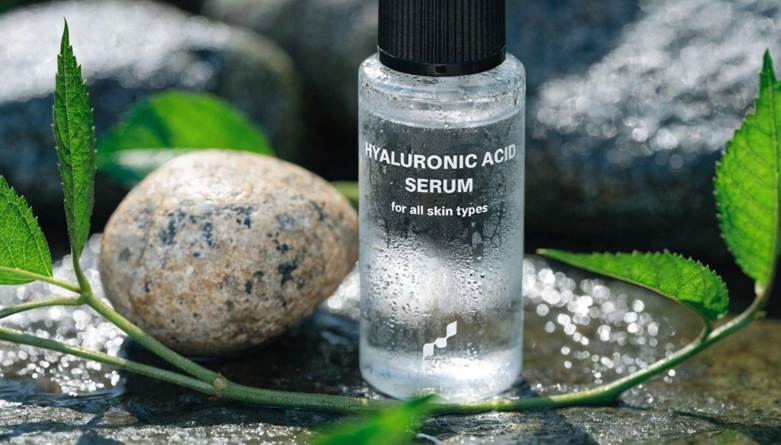
Separating products between morning and evening routines is one of the simplest ways to reduce compatibility concerns.
Antioxidants such as vitamin C are commonly incorporated into morning routines because they help defend the skin against environmental stressors encountered during the day. Ingredients associated with skin repair or renewal are frequently reserved for evening application when the skin naturally undergoes restorative processes.
Dividing products between two routines allows each active ingredient to perform its intended role without unnecessarily crowding a single application.
Pay Attention to How Your Skin Responds
No skincare routine works identically for everyone. Skin type, sensitivity, climate, and individual tolerance all influence how products perform.
Persistent redness, burning, excessive dryness, or irritation may indicate that a routine needs adjustment rather than additional products. In many cases, simplifying the routine temporarily allows the skin barrier to recover before active ingredients are reintroduced more gradually.
Observing how your skin responds over several weeks usually provides more useful information than judging results after only a few applications.
Consistency Matters More Than Complexity
Successful skincare routines are rarely defined by the number of serums they contain. Instead, they succeed because each product serves a clear purpose within a routine that remains practical enough to follow consistently.
Understanding ingredient compatibility, respecting application order, and allowing products to work within appropriate routines helps create a regimen that supports long-term skin health. Rather than chasing every newly released serum, building a balanced routine with compatible products allows each step to contribute more effectively to the overall results.
Check out our Beauty videos below!
[youtube-feed feed=4]

Hi, I’m Crystal – a Kentucky-based Aromatherapist, wife, mom and the voice behind The Cinnamon Hollow. I share cozy, real-life inspiration for healthier routines, simple home living, essential oil use and safety, beauty, pets, and family adventures. From everyday tips to travel guides, my goal is to help you create a warmer life and embrace each day as its own little adventure. Always remember to live life, one adventure at a time! read more