

Golf can seem like a quiet, grown-up sport from the outside, but it can also be a relaxed way for families to spend time together outdoors. You do not have to be a serious player to enjoy a day at the course, the driving range, or even a small backyard putting game.
For many families, the key is not lowering a score. It is making the day feel welcoming, low-pressure, and fun for everyone involved. With a little planning, golf can become less intimidating and more like a shared activity that fits into real family life.
Whether you are introducing kids to the game, planning a casual outing with relatives, or trying to make golf more enjoyable for a spouse who is new to it, small details can make a big difference.
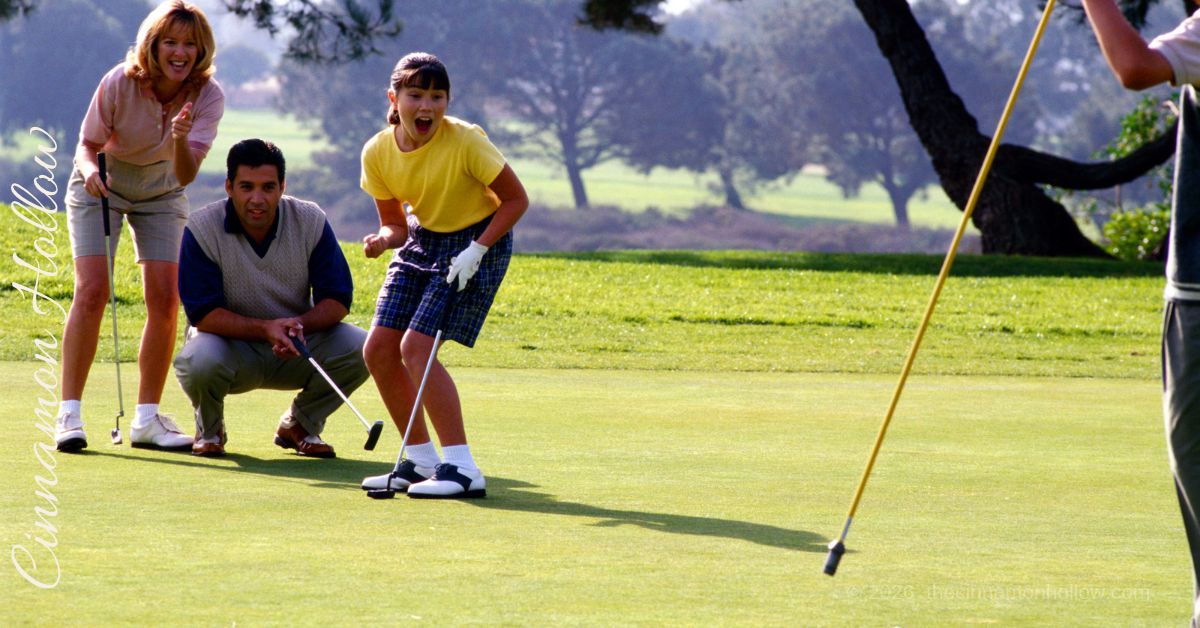
Start With the Right Kind of Golf Experience
Not every golf outing needs to be a full 18-hole round. In fact, for beginners and families, shorter options are often more enjoyable.
A driving range is a simple place to start because there is no pressure to keep pace with a group behind you. Kids can hit a bucket of balls, take breaks, and learn the feel of a club without worrying about rules or etiquette right away.
Mini golf is another easy introduction, especially for younger children. It teaches patience, aim, and turn-taking in a playful setting. Even though it is not the same as traditional golf, it builds comfort with putting and helps kids associate the game with fun.
A par-3 course can also be a good middle ground. These shorter courses are usually less demanding and take less time to play. They give families the feel of a real course without turning the day into a long commitment.
Keep Expectations Realistic
One of the quickest ways to make golf stressful is to treat every swing like it matters too much. New players are going to miss the ball, hit it sideways, or forget which club to use. That is normal.
If kids are involved, focus on effort and curiosity rather than technique. A simple comment like, “That one went farther than the last one,” can be more encouraging than a long correction about form.
Adults who are new to golf may feel self-conscious too. Keeping the mood light helps everyone relax. Laughing at a bad shot and moving on can set the tone for the whole group.
It can also help to agree on flexible rules before you start. For example, younger kids might pick up the ball after a few swings and place it closer to the hole. Beginners might skip sand traps if they are feeling frustrated. The goal is to enjoy the outing, not recreate tournament conditions.
Pack for Comfort, Not Just the Game
Golf often involves more walking and waiting than people expect. A comfortable day starts with the basics.
Bring water for everyone, even if the weather feels mild. Add a few simple snacks, especially if kids are coming along. Granola bars, fruit, crackers, or trail mix can prevent the kind of mid-round hunger that turns into crankiness.
Sunscreen, hats, and sunglasses are worth bringing too. Courses can feel open and exposed, with limited shade in some areas. A light jacket may also help if you are playing early in the morning or later in the day.
Shoes matter as well. Not everyone needs golf shoes for a casual outing, but comfortable walking shoes are important. If someone is wearing sandals or stiff shoes, the day may feel longer than it needs to.
A small towel, extra tees, and a few spare balls can also keep things running smoothly. Beginners often lose balls, and that should not become a big deal.
Teach Course Courtesy in Simple Ways
Golf etiquette can sound formal, but most of it comes down to being considerate. Families can explain it in everyday terms.
Stand still and stay quiet when someone is swinging. Watch where your shadow falls on the green. Do not walk through another player’s putting line. Move along at a reasonable pace. Fix divots or ball marks when needed.
For kids, these habits are easier to learn when they are explained as kindness rather than strict rules. You might say, “We stay quiet so they can concentrate,” or “We take care of the course so the next family can enjoy it too.”
It can also be helpful to give children small responsibilities. One child can hold the scorecard. Another can help carry tees or keep track of whose turn it is. These small jobs make them feel included instead of just being along for the ride.
Make the Green More Engaging
Putting is often the most family-friendly part of golf. It is slower, easier to follow, and more accessible for players of different ages.
You can turn putting practice into simple games. Try seeing who can get closest to the hole from a short distance, or set up a challenge where each person gets three tries to improve their shot. At home, a hallway or patio can become a practice area with a cup or small target.
For families who enjoy spending time on the golf course together, personalized ball markers can add a fun and personal touch to the experience. Each family member could have a marker featuring their initials, favorite colors, or a meaningful design. Aceballmarkers offers custom golf ball markers that make these small accessories both practical on the green and meaningful keepsakes of time spent together.
Create Traditions Around the Day
A family golf outing becomes more memorable when it includes small traditions. These do not need to be fancy.
Maybe you stop for breakfast before going to the range. Maybe everyone gets a lemonade afterward. Maybe you take the same photo by the practice green each summer. Over time, these habits become part of the reason people look forward to going.
Families can also create friendly awards that have nothing to do with score. Someone might earn “most improved swing,” “funniest shot,” or “most patient player.” This keeps the focus on enjoyment and makes newer players feel included.
If you play with extended family, golf can also become a gentle way for different generations to spend time together. Grandparents can teach the basics, parents can encourage, and kids can bring energy and humor to the day.
Know When to Call It a Day
One of the most underrated parts of a good family golf experience is knowing when to stop.
If children are tired, hungry, or losing interest, it is okay to end early. If a beginner is getting frustrated, take a break or switch to putting. Pushing through just to finish can make people less excited to try again.
A shorter, happier outing is usually better than a long one that ends with everyone exhausted. Leaving while people are still having fun makes it more likely they will want to return.
Pay attention to the mood of the group. Sometimes nine holes are plenty. Sometimes a half-hour at the range is enough. Golf does not have to fill the whole day to be worthwhile.
Conclusion
Golf can be a wonderful family activity when it is approached with patience and flexibility. It offers fresh air, gentle movement, conversation, and plenty of chances to laugh together.
The most enjoyable outings are not built around perfect swings or low scores. They come from choosing the right setting, packing thoughtfully, keeping expectations realistic, and finding little ways to make everyone feel included.
With the right mindset, a golf day can become more than a sport. It can be a simple family tradition that grows over time, one relaxed round, range visit, or putting game at a time.