Every gardener knows the heartbreak of the “June slump.” Your grounds explode into a breathtaking display of peonies, tulips, and irises in late spring, only to transform into a sea of tired, non-blooming green foliage by mid-July.
Achieving grounds that look vibrant month after month doesn’t happen by chance. It is the result of strategic bloom cycle planning—also known as succession planting for ornamentals.
By understanding the distinct flowering windows of different plant species and orchestrating their overlap, you can transform your property into a dynamic, living canvas that continuously shifts from early spring bulbs to late autumn seed heads. Here is your comprehensive guide to mastering the art of bloom cycle planning.
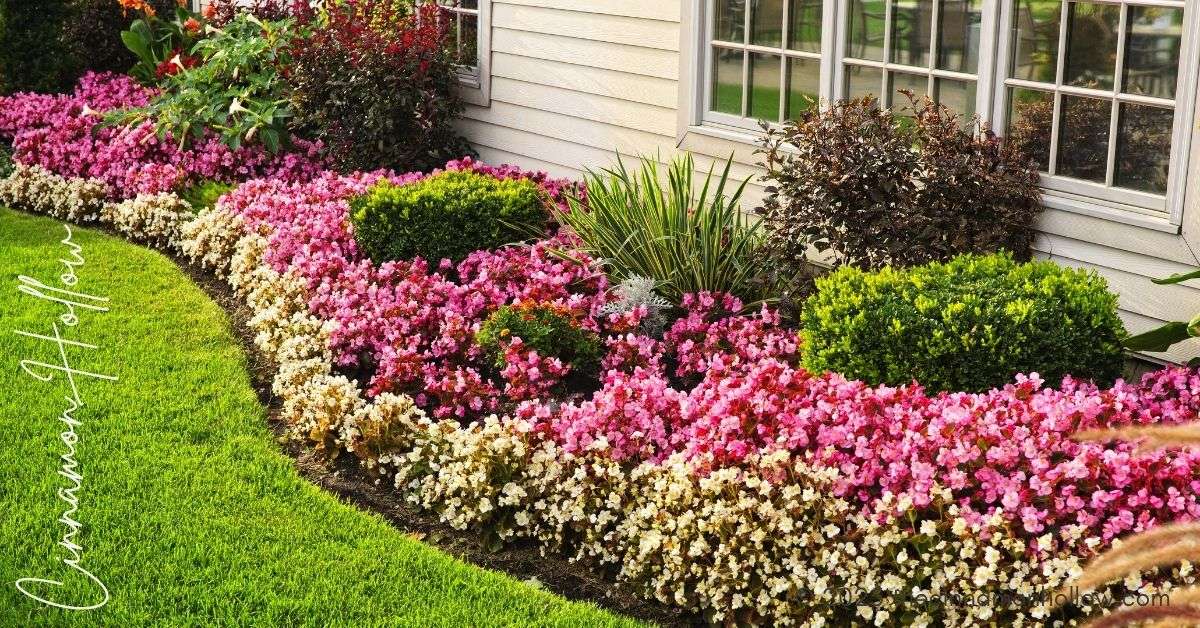
What Is Bloom Cycle Planning and Why Does It Matter?
Bloom cycle planning is the landscape design practice of selecting and arranging plants with staggered flowering times to ensure a garden maintains continuous color, visual interest, and pollinator support from early spring through late fall.
Instead of all plants peaking simultaneously, bloom cycle planning creates overlapping waves of color. As one species finishes flowering, a neighboring plant begins its bloom, eliminating unsightly gaps in your landscape.
1. Mapping Your Regional Bloom Windows
Before buying a single plant, you must understand your local climate’s bloom timeline. A plant that flowers in April in Zone 8 might not open until late May in Zone 5.
Divide your growing season into four core bloom windows:
- Early Spring (March – April): Focus on snowdrops, crocus, daffodils, hellebores, and early-flowering shrubs like witch hazel and serviceberry.
- Late Spring to Early Summer (May – June): This is the easiest window to fill. Peonies, irises, poppies, alliums, and salvia dominate this phase.
- Mid to Late Summer (July – August): Heat-tolerant perennials take center stage—coneflowers (Echinacea), black-eyed Susans (Rudbeckia), daylilies, Russian sage, and dahlias.
- Autumn (September – Frost): Complete the cycle with asters, sedum ‘Autumn Joy’, goldenrod, Japanese anemones, and ornamental grasses.
Designing for continuous bloom landscape design requires planting at least two to three companion species for every bloom window within each bed.
2. Layering Heights, Textures, and Dual-Purpose Landscapes
Relying solely on traditional perennial flowers can leave your beds looking sparse during transition weeks. A resilient bloom plan layers different plant types across varied heights.
Incorporate a mix of structural layers:
- Flowering Trees & Shrubs: Form the backbone of early spring color (magnolias, redbuds, hydrangeas) and provide autumn foliage interest.
- Long-Blooming Perennials: Form the structural middle layer, providing repeated color flushes over several weeks.
- Annuals & Edibles: Fill immediate gaps between perennial bloom cycles with continuous season-long color.
Modern grounds management increasingly blends aesthetic appeal with functional planting. Integrating companion flowers, culinary herbs, and flowering edible crops directly into ornamental borders keeps beds dense while attracting beneficial pollinators throughout every month.
Sowing companion crops from bulk vegetable seeds—such as flowering brassicas, peas, nasturtiums, and herbs—alongside perennial borders creates a lush, multi-layered ecosystem that offers both visual charm and fresh garden harvests across changing seasons.
3. Coordinating Seasonal Color Palettes
A common mistake in succession planning is ignoring how color combinations shift as plants transition. Unplanned color choices can result in clashing shades as late-spring bloomers fade next to opening mid-summer flowers.
Succeeding with seasonal color palette coordination involves planning soft transitions:
| Season | Color Palette Focus | Key Plant Examples |
| Early Spring | Pastels, whites, & cool blues | Crocus, snowdrops, bluebells, white tulips |
| Late Spring | Vibrant pinks, purples, & jewel tones | Peonies, Dutch iris, salvia, catmint |
| Mid-Summer | Warm golds, fiery oranges, & deep reds | Coneflowers, rudbeckia, coreopsis, daylilies |
| Autumn | Rich rusts, deep purples, & bronze grasses | Sedum, asters, fountain grass, oakleaf hydrangea |
4. Master the Technique of Perennial Succession Planting
Strategic placement is what turns a random collection of plants into a seamless succession garden.
When practicing perennial succession planting, interplant late-emerging species right next to early spring bloomers. For example, plant hostas or milkweed near spring tulips and daffodils. As the daffodil foliage turns brown and dies back in late May, the expanding hosta leaves grow over the fading bulbs, hiding the unsightly foliage without requiring extra maintenance.
Furthermore, group plants in drift clusters of 3, 5, or 7 rather than single isolated stems. Large drifts of color make a dramatic visual impact and make it easier for pollinators to forage efficiently.
Common Mistakes in Bloom Cycle Planning
Even experienced gardeners run into common traps when trying to keep their grounds blooming constantly:
- Ignoring Foliage and Seed Heads: Flowers are temporary, but foliage lasts all season. Incorporate variegated hostas, purple heucheras, or blue fescue grass so beds look striking even between bloom phases.
- Forgetting to Deadhead: Many summer perennials (like salvia, coreopsis, and coneflowers) will send up a second wave of blooms if spent flowers are promptly cut back.
- Planting Single-Season Beds: Clustering all spring bloomers in one corner of the yard leaves that entire area dull for the remaining seven months of the year. Distribute plants from every bloom window evenly across all main garden beds.
Frequently Asked Questions
How can I extend the bloom time of my existing perennials?
Practice the “Chelsea Chop” in late spring. Pruning back the stems of late-summer bloomers (like sedum, asters, and helenium) by one-third in late May delays their flowering by a few weeks, staggers their bloom times, and creates bushier, sturdier plants that don’t flop over.
What are the longest-blooming perennials for summer grounds?
Some of the longest-blooming perennials include Nepeta (Catmint ‘Rozanne’), Echinacea (Coneflower), Rudbeckia (Black-Eyed Susan), Salvia, and Coreopsis. These species often produce continuous flowers for 8 to 12 weeks with minimal care.
Conclusion
Creating grounds that display vibrant color from early spring until the first winter frost is one of the most rewarding challenges in gardening. By mapping regional bloom windows, layering structural plants, coordinating seasonal color palettes, and hiding fading spring foliage with strategic perennial succession, you eliminate dull gaps in your landscape. With thoughtful planning today, your grounds will reward you with a continuously evolving showcase of color all year long

Meg is an author at Cinnamon Hollow. She writes on a variety of topics sharing tips and ideas for daily life.