Here’s a number that should make you uneasy: three inches of water in your crawl space costs about $1,400 to dry out, and that’s before you pay for whatever the moisture rotted. Gutters are the cheapest insurance your house will ever buy, yet most homeowners ignore them until water is pouring over the edges during a storm. By then, the damage is already in progress.
This guide walks you through the seven warning signs that your gutter system is failing, what each one means for your home’s structure, and exactly when you should call in a professional. You’ll leave with a simple seasonal checklist and a clear sense of what good drainage actually looks like.
What Happens When Water Goes Where It Shouldn’t
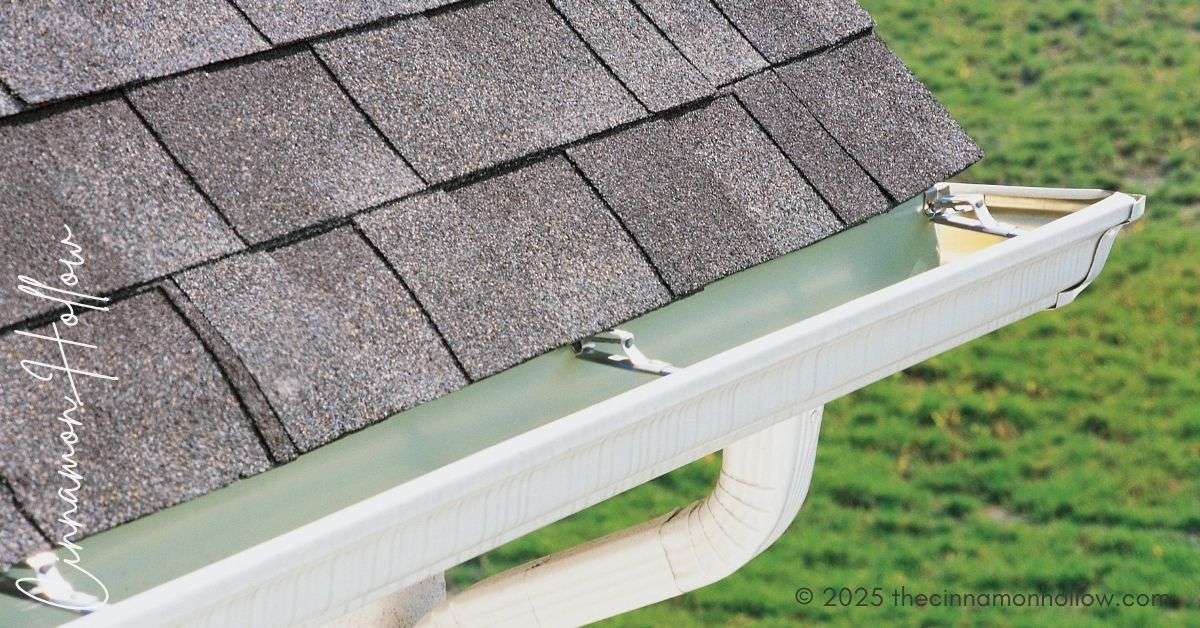
Your gutter system has one job: collect rainwater from your roof and move it away from your foundation. When it fails at that job, water finds its own path, and it always picks the path that costs you the most money.
Downspouts discharging too close to the house dump water against the foundation wall. Over time, that moisture creates hydrostatic pressure that pushes against concrete and masonry. The result shows up as hairline cracks that widen into structural issues, bowing basement walls, and slab settlement that throws your doors and windows out of square.
The Environmental Protection Agency’s 2024 homeowner guidance notes that water damage from poor drainage is one of the most common causes of indoor moisture problems, and the agency recommends keeping downspout extensions at least five feet from the foundation. Five feet. That’s longer than most standard downspout boots, which is why so many homes fail this test.
Beyond the foundation, overflowing gutters soak your siding, rot your fascia boards, and create the damp conditions that termites and carpenter ants find irresistible. You’re not just protecting concrete. You’re protecting the entire wood frame of your house.
Seven Warning Signs You Shouldn’t Ignore
Some gutter problems scream for attention. Others whisper for months before the damage becomes visible. Here’s what to look for, from the obvious to the sneaky.
1. Water Waterfalls Over the Edges During Rain
Stand inside your house during the next heavy storm and watch the roofline. If you see water pouring over the front edge of the gutter, you have a clog or a slope problem. Gutters need a slight pitch toward the downspout, about a quarter inch per ten feet. If they’re level or sagging in the middle, water pools until it spills wherever it wants.
2. Sagging or Pulled-Away Gutters
Walk the perimeter of your house and look at the roofline from ground level. Gutters should sit flush against the fascia board. If you spot gaps or sections that droop, the hangers have failed. This happens when gutters fill with debris and ice, adding hundreds of pounds of unexpected weight.
3. Peeling Paint and Rust Streaks
That orange-brown staining running down your siding isn’t just ugly. It’s the gutter’s metal oxidizing, which means the protective coating has failed and the material is thinning. For steel gutters, rust spots are the first step toward holes that will leak water directly against your foundation.
4. Puddles That Linger After Rain
Three days after a storm, walk your yard. If you find soft, squishy spots near the house or standing water that hasn’t soaked in, your downspouts are discharging too close to the foundation. The Occupational Safety and Health Administration’s 2023 residential construction guidelines flag standing water near building foundations as a slip hazard and a contributor to structural degradation, and they recommend routing drainage at least ten feet away from the structure.
5. Cracks in Your Foundation
New or widening cracks in your foundation walls are the end stage of poor drainage. Horizontal cracks are more serious than vertical ones, and any crack wider than an eighth of an inch deserves immediate attention. If you see these, your gutter system has already failed you.
6. Tiny Black Streaks on Your Roof Edge
Those dark lines aren’t just dirt. They’re algae and mildew growth, which happens when water backs up under your shingles because the gutter is too full to drain. This shortens your roof’s lifespan and can void your shingle warranty.
7. You Can See Debris From the Ground
If you can spot leaves, twigs, or granules poking up over the gutter’s front edge, the trough is packed solid. The U.S. Department of Energy’s 2024 home maintenance guide recommends cleaning gutters at least twice a year, and more often if you have overhanging trees. That debris is the root cause of nearly every other problem on this list.
Why Florida Homes Have It Worse
If you live anywhere along the Gulf Coast, you face a specific set of gutter challenges that northern homeowners just don’t deal with. The combination of intense summer storms, hurricane season, and year-round leaf drop means your gutters work harder and clog faster.
That’s why so many coastal homeowners choose seamless aluminum gutters over sectional ones. Without seams along the length of the trough, there are fewer places for debris to catch and fewer joints to separate. When you’re researching gutters in North Port, FL, look for a contractor who fabricates seamless systems on-site. That means the gutter is formed to your exact roofline in one continuous piece, rather than assembled from store-bought sections that can pull apart at the joints.
Florida’s sandy soil also drains differently than the clay you find in other regions. Water filters through sand quickly, which means a small leak near your foundation can saturate a large area before you notice. The stakes for proper gutter function are simply higher here.
When It’s Time to Call a Professional
Some gutter maintenance is safe DIY territory. Cleaning a single-story home’s gutters with a ladder and gloves is manageable for most homeowners. But here’s when you should put the ladder away and make a phone call instead.
Call a pro if you see any of the following: sagging gutters that have pulled away from the fascia, rust holes that have already formed, water damage stains on interior ceilings, or foundation cracks. These problems indicate that the system needs more than a cleaning. They need repair or replacement.
A professional will also check your slope with a level, verify that downspouts discharge far enough from the foundation, and inspect the fascia board behind the gutters for rot. Replacing gutters over rotted fascia is wasted money, since the new system will pull away again within a year or two.
Your Seasonal Gutter Checklist
Here’s a simple routine that takes about two hours a year and can save you thousands in water damage repairs.
| Season | Task | Why It Matters |
| Spring | Clean gutters, check downspout flow | Removes winter debris before storm season |
| Early Summer | Inspect hangers and seals | Catches loose sections before hurricane season |
| Fall | Final clean, check for rust | Prepares for heavy leaf drop |
| After Any Storm | Walk the perimeter, check for overflow | Catches damage while it’s still small |
The post-storm walk takes five minutes and is the highest-value habit on this list. Grab a coffee, circle the house, and look for new puddles, shifted gutters, or water stains. You’ll catch three out of four problems in that brief loop.
The Bottom Line on Gutter Health
Your gutter system is the silent guardian of your home’s structural integrity. It never asks for attention, and it keeps working long after you’ve forgotten it exists. But neglect it long enough, and it will introduce you to every repair contractor in your area.
The good news is that prevention is cheap. A twice-yearly cleaning, a five-minute post-storm walk, and a willingness to call for professional help when you spot trouble will keep your foundation dry and your wallet intact.
When’s the last time you actually looked at your gutters?