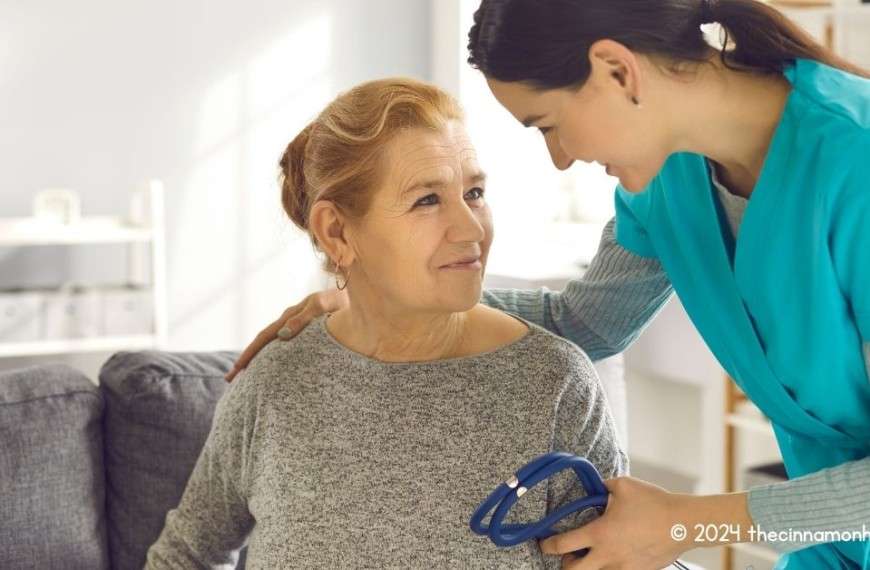
At some point, many families face a quiet but emotional realization: an aging parent or loved one needs more support than before. It often starts small—missed medications, difficulty with daily tasks, or subtle changes in memory and mobility.
However, what makes this moment difficult isn’t just the practical challenge, but the emotional weight of deciding what comes next. Well, for a growing number of families, the answer isn’t moving a loved one out of their home. Instead, it’s bringing care into the home.
In-home care has become an increasingly preferred option because it balances safety, dignity, and independence. Rather than disrupting familiar routines, it adapts support to the life someone has already built—and that shift is changing how families think about aging care altogether. That said, let’s discuss in the article why more families are choosing this option for their aging loved ones!
Why the Idea of “Aging in Place” Matters So Much
Home represents more than a physical space. For older adults, it holds memories, comfort, and a sense of control. Research consistently shows that seniors often feel more emotionally secure and mentally engaged when they remain in familiar surroundings.
In-home care supports this by:
- Allowing seniors to maintain daily routines.
- Preserving independence for as long as possible.
- Reducing stress caused by relocation.
- Supporting emotional well-being and identity.
For families, this approach often feels less disruptive and more respectful of their loved one’s wishes.
How In-Home Care Supports Both Seniors and Families
One reason in-home care has grown in popularity is that it doesn’t just support seniors—it supports families as well. For example, families exploring senior care services often do so because they want reliable help without giving up their loved one’s sense of home. This is why reliable providers such as A Partner in Caring are commonly referenced in this context, as their models are designed to adapt to changing needs rather than force families into one-size-fits-all solutions.
In-home care can assist with:
- Daily activities like bathing, dressing, and meal preparation.
- Medication reminders and mobility support.
- Companionship and social interaction.
- Light housekeeping and transportation.
This flexibility allows care to evolve gradually instead of escalating abruptly. Some of the prominent characteristics of in-home care are given as follows:
1. A More Personalized Approach to Care
Unlike institutional settings, in-home care is inherently personalized. Care plans are built around the individual—not a facility schedule.
This means:
- Care routines align with personal habits.
- Cultural, dietary, and lifestyle preferences are respected.
- One-on-one attention improves comfort and trust.
For seniors who value autonomy, this individualized approach can make a meaningful difference in both physical and emotional health.
2. The Emotional Benefits Families Often Notice
Beyond practical help, families frequently report emotional benefits once in-home care begins. Common observations include:
- Reduced anxiety in aging loved ones.
- Improved mood and engagement.
- Stronger family relationships due to shared responsibility.
- Peace of mind knowing support is consistent.
When families no longer feel stretched thin, interactions shift from stress-driven to relationship-focused.
3. Safety Without Sacrificing Independence
Safety concerns are often what prompt families to explore care options. In-home care provides support while still allowing seniors to make choices about their daily lives.
Caregivers can:
- Help prevent falls and accidents.
- Monitor changes in health or behavior.
- Provide supervision without constant restriction.
This balance helps seniors feel protected without feeling controlled—a critical factor in preserving dignity.
How In-Home Care Adapts as Needs Change
One of the strongest advantages of in-home care is scalability. Care doesn’t have to be “all or nothing.” Support can start with:
- A few hours a week for errands or companionship.
And gradually increase to:
- Daily assistance.
- Specialized memory or mobility support.
This adaptability allows families to respond to changes calmly rather than reactively.
Cost Considerations and Practical Planning
While cost is always a concern, many families find in-home care to be a practical alternative to full-time residential facilities—especially when care needs are moderate.
Benefits include:
- Paying only for the level of care needed.
- Avoiding costs associated with relocation.
- Greater transparency and flexibility in care plans.
Planning early also allows families to explore coverage options and avoid rushed decisions later.
To Sum It All Up!
More families are choosing in-home care because it aligns with what matters most: dignity, comfort, and connection. By allowing aging loved ones to remain in familiar surroundings while receiving personalized support, in-home care offers a balanced approach to aging that respects both independence and safety.
For families, it provides reassurance without uprooting routines or relationships. As care needs evolve, in-home care adapts—making it not just a practical solution, but a compassionate one.
The owners and authors of Cinnamon Hollow are not doctors and this is in no way intended to be used as medical advice. We cannot be held responsible for your results. As with any product, service or supplement, use at your own risk. Always do your own research and consult with your personal physician before using.

Meg is an author at Cinnamon Hollow. She writes on a variety of topics sharing tips and ideas for daily life.