Key Takeaways
- Advanced materials, such as polymer-modified asphalt and permeable pavement, improve durability and sustainability.
- Data-driven design and climate analysis help create longer-lasting pavement structures.
- Preventive maintenance, such as crack sealing and sealcoating, extends pavement lifespan.
- Graphene-enhanced asphalt strengthens surfaces and reduces pothole formation.
- Technologies like digital twins and infrared repair support efficient monitoring and quick repairs.
- Sustainable practices, including RAP and bio-based binders, reduce environmental impact while maintaining performance.
Innovative solutions in pavement construction are transforming how roads, driveways, and public surfaces are designed to withstand long-term wear and tear. Traditional asphalt and concrete remain widely used, but modern technologies now incorporate advanced materials such as polymer-modified asphalt, recycled aggregates, and permeable pavement systems. These materials improve durability while addressing environmental concerns such as water runoff and heat absorption. Engineers and planners increasingly rely on data-driven assessments, soil analysis, and climate considerations to determine the most effective pavement structure. In many regions, including areas where local Ottawa paving contractors operate, these evolving practices help ensure that pavement installations are better suited to local weather conditions and traffic demands.
Another important innovation is the use of smart maintenance strategies and improved construction techniques. Preventive maintenance methods such as crack sealing, sealcoating, and surface rejuvenation can significantly extend pavement lifespan by addressing minor issues before they escalate. Additionally, technologies such as infrared asphalt repair and precision grading equipment enable more accurate and efficient installations. Sustainable practices, including the reuse of reclaimed asphalt pavement (RAP) and the integration of permeable surfaces, also contribute to longer-lasting infrastructure. By combining modern materials, thoughtful design, and proactive maintenance, pavement systems can remain functional and resilient for many years.
Graphene-Enhanced Asphalt
The incorporation of graphene into asphalt mixtures marks a significant breakthrough for the paving industry. In the United Kingdom, researchers are blending graphene with standard asphalt to create road surfaces far more resilient than traditional mixtures. The material’s unique properties increase flexibility and strength, reducing pothole formation and general surface deterioration. The result is a longer-lasting road that requires fewer repairs over time, resulting in direct cost savings and reduced carbon emissions.
Digital Twin Technology for Pavement Monitoring
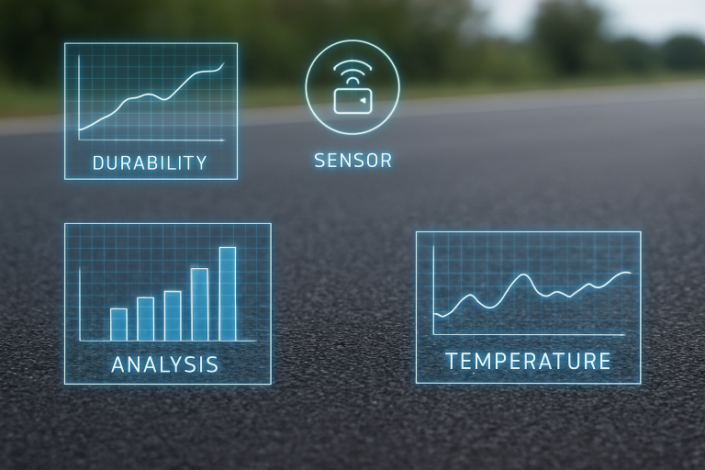
Digital twins represent another leap in pavement management. These virtual models of real-world infrastructure allow engineers to observe, analyze, and predict pavement conditions in real time. By utilizing data from sensors embedded in the pavement and advanced software powered by graph neural networks, maintenance teams can detect wear patterns and predict when preventive measures are necessary. This proactive approach significantly extends pavement service life by addressing problems before they develop into major failures.
Infrared Asphalt Repair
Infrared repair has gained popularity as an efficient, environmentally friendly method for repairing localized pavement defects. Technicians use specialized equipment to heat the existing asphalt, allowing it to be reworked and blended with new material. This process creates a seamless, durable patch that is less likely to fail compared to traditional cold patch repairs. Infrared repair is especially useful in high-traffic zones where rapid restoration is a priority, significantly minimizing disruption for motorists and pedestrians.
Permeable Paving Systems
Permeable pavement technologies represent a dual solution for both pavement durability and environmental stewardship. These systems use specially designed materials that allow water to drain directly through the pavement, thereby reducing surface runoff and mitigating urban flooding. As cities seek to comply with modern stormwater regulations and green infrastructure initiatives, permeable paving is increasingly sought for parking lots, walkways, and low-traffic roadways. The environmental benefits are clear: better ground infiltration, cleaner runoff, and reduced pressure on municipal drainage systems.
Recycled Asphalt Pavement (RAP) Advancements
Paving with recycled asphalt is an innovation driven by both cost and sustainability. Technological advances now allow up to 60 percent reclaimed asphalt to be incorporated into new paving mixtures, a substantial increase from past practices. This not only diverts waste from landfills but also preserves natural resources and keeps production emissions lower. The quality of roads with high RAP content is proving to be on par with, or even better than, those using all-new materials when properly engineered and installed.
Bio-Based Binders and Modifiers
Traditional asphalt binders rely heavily on petroleum. The shift toward bio-based alternatives, such as those derived from pine resin, vegetable oils, or algae byproducts, offers a significant reduction in environmental impact. These alternatives offer excellent flexibility, reduce the risk of cracking at extreme temperatures, and ensure the finished product remains durable. At the same time, bio-based binders tend to be less volatile and more stable over time, reducing maintenance issues and supporting sustainability goals.
Whitetopping for Pavement Rehabilitation
Whitetopping is the application of a concrete overlay on existing asphalt surfaces. This technique is particularly effective for rehabilitating deteriorated pavements, offering a cost-effective and robust solution to extend service life. Concrete overlays bond to the underlying asphalt, creating a composite structure that resists rutting, cracking, and thermal damage. Whitetopping is being adopted in many regions thanks to its proven track record of lasting performance, especially where asphalt distress is common.
Conclusion
Cutting-edge technologies and sustainable materials are transforming the paving industry at a rapid pace. By using graphene-enhanced asphalt, digital monitoring systems, and bio-based binders, infrastructure owners and municipalities are building longer-lasting, more eco-friendly roads. Paving experts in Ottawa and beyond are incorporating these advancements to deliver projects that promise resilience, cost efficiency, and better lifecycle performance. Staying current with these solutions is the key to fostering safe, reliable, and sustainable infrastructure for generations to come.